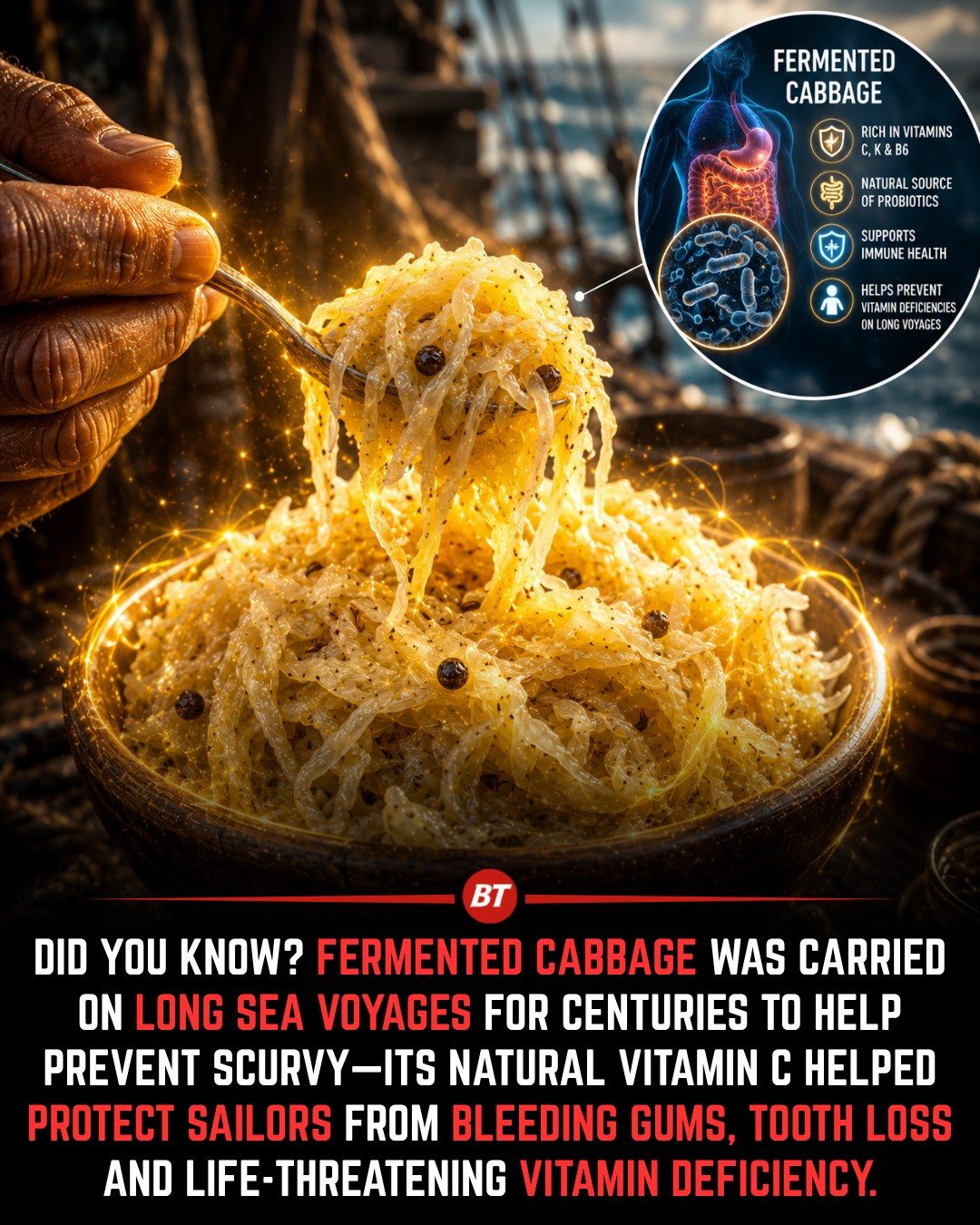
Fermented Cabbage: A Historical Remedy and Modern Superfood
Fermented cabbage, particularly in the form of sauerkraut, has a rich history and a variety of health benefits. Its journey from a staple on long sea voyages to a modern-day superfood is both fascinating and informative.
Context / Why This Matters
For centuries, sailors relied on fermented cabbage to prevent scurvy, a severe vitamin C deficiency that led to debilitating symptoms and even death. Today, fermented cabbage is celebrated not only for its historical significance but also for its nutritional content and probiotic benefits.
The Historical Significance of Fermented Cabbage
Protecting Sailors from Scurvy
Long before vitamin C was discovered, sailors on lengthy sea voyages faced a serious health threat: scurvy. This disease, caused by a severe deficiency in vitamin C, led to bleeding gums, tooth loss, extreme fatigue, and poor wound healing. The lack of fresh fruits and vegetables on long voyages made scurvy a common and often deadly problem.
Fermenting cabbage provided a crucial solution. The lactic acid fermentation process not only preserved the vitamin C in cabbage but also created beneficial probiotic bacteria. This method ensured that the cabbage retained its nutritional value for months, making it a reliable source of vitamin C for sailors.
Captain James Cook and the Power of Fermentation
Captain James Cook is famously known for his voyages in the 18th century, during which he regularly stocked sauerkraut on his ships. His crews experienced significantly fewer cases of scurvy compared to earlier expeditions, proving the effectiveness of fermented cabbage in maintaining health on long voyages. This practice helped establish fermented cabbage as an essential food for sailors, ensuring that it was carried on board for centuries to come.
Nutritional Benefits of Fermented Cabbage
Rich in Vitamins and Probiotics
Fermented cabbage is a powerhouse of vitamins and minerals. It is particularly rich in vitamins C, K, and B6. These vitamins play crucial roles in immune function, bone health, and energy metabolism, respectively.
In addition to its vitamin content, fermented cabbage is a natural source of probiotics. Probiotics are beneficial bacteria that support gut health and digestion. When consumed as part of a balanced diet, fermented cabbage can help maintain a healthy microbiome, which is essential for overall well-being.
Supporting Immune Health
Vitamin C is well-known for its immune-boosting properties. In fermented cabbage, the presence of probiotics enhances the body's ability to absorb and utilize this vitamin. This synergistic effect makes fermented cabbage a valuable addition to any diet, especially for those looking to bolster their immune system.
Helps Prevent Vitamin Deficiencies
The historical use of fermented cabbage on sea voyages highlights its role in preventing vitamin deficiencies. Today, it continues to be a valuable source of essential nutrients, especially for those who may struggle to consume a varied diet rich in fresh produce.
Practical Tips for Incorporating Fermented Cabbage into Your Diet
Choosing the Right Sauerkraut
When selecting sauerkraut, opt for refrigerated, traditionally fermented varieties that contain live cultures. These are typically found in the refrigerated section of grocery stores and health food markets. Avoid shelf-stable varieties made with vinegar, as they lack the live bacteria and some of the nutritional benefits found in fermented sauerkraut.
Serving Suggestions
Fermented cabbage can be incorporated into a variety of dishes. Enjoy a few forkfuls before meals as a probiotic-rich side or add it to salads, sandwiches, grain bowls, or roasted vegetables for an extra flavor and nutrition boost.
Important Takeaways
Fermented cabbage, or sauerkraut, has a long history of safeguarding sailors from scurvy and continues to offer nutritional benefits today. It is rich in vitamins C, K, and B6, and serves as a natural source of probiotics, supporting gut health and digestion. By incorporating fermented cabbage into your diet, you can boost your immune system and ensure a reliable source of essential nutrients.
Conclusion
Fermented cabbage is more than just a tasty dish; it's a historical remedy with modern health benefits. Whether you're looking to support your immune system, improve gut health, or simply enjoy a delicious and nutritious food, fermented cabbage is a versatile and valuable addition to your diet.
Watch the Reel
Questions readers ask
How did fermented cabbage help sailors on long sea voyages?
Fermented cabbage, like sauerkraut, was crucial for sailors due to its high vitamin C content, which helped prevent scurvy. This debilitating condition, caused by vitamin C deficiency, was a significant threat during extended voyages when fresh produce was scarce.
What were the main benefits of including sauerkraut in a sailor's diet?
Sauerkraut provided sailors with essential vitamin C, a vital nutrient for maintaining overall health and preventing scurvy. Additionally, its fermented nature made it a reliable food source, allowing sailors to carry it on long journeys and still maintain nutritional value.
How did fermented cabbage prevent scurvy among sailors?
Fermented cabbage is rich in vitamin C, which is essential for collagen production and immune function. By consuming sauerkraut, sailors could replenish their vitamin C levels, effectively preventing the onset of scurvy and its severe symptoms.
Why was sauerkraut a preferred food for long sea voyages?
Sauerkraut was highly valued for its long shelf life and nutritional content. Its fermentation process allowed it to be stored for extended periods without refrigeration, making it an ideal food source for sailors who had limited access to fresh produce.
What role did fermented cabbage play in the diets of sailors historically?
Historically, fermented cabbage, particularly sauerkraut, was a staple in sailors' diets. It served as a primary source of vitamin C, helping to ward off scurvy and providing essential nutrients during long voyages when fresh food supplies were limited.
What are the modern health benefits of fermented cabbage?
Today, fermented cabbage is recognized for its high vitamin C content and probiotic properties. It supports immune function, aids in digestion, and contributes to overall gut health, making it a valuable addition to modern diets, much like its historical use.
What made fermented cabbage an important food for sailors during long voyages?
Fermented cabbage was important for sailors because it was easy to store and provided essential nutrients, especially vitamin C, which helped prevent scurvy, a common and severe health issue for sailors.
Related deep dives
Similar reads based on topic and creator.




Recent articles
Fresh deep dives from the latest Reels we unpacked.




Comments
Be the first to comment.