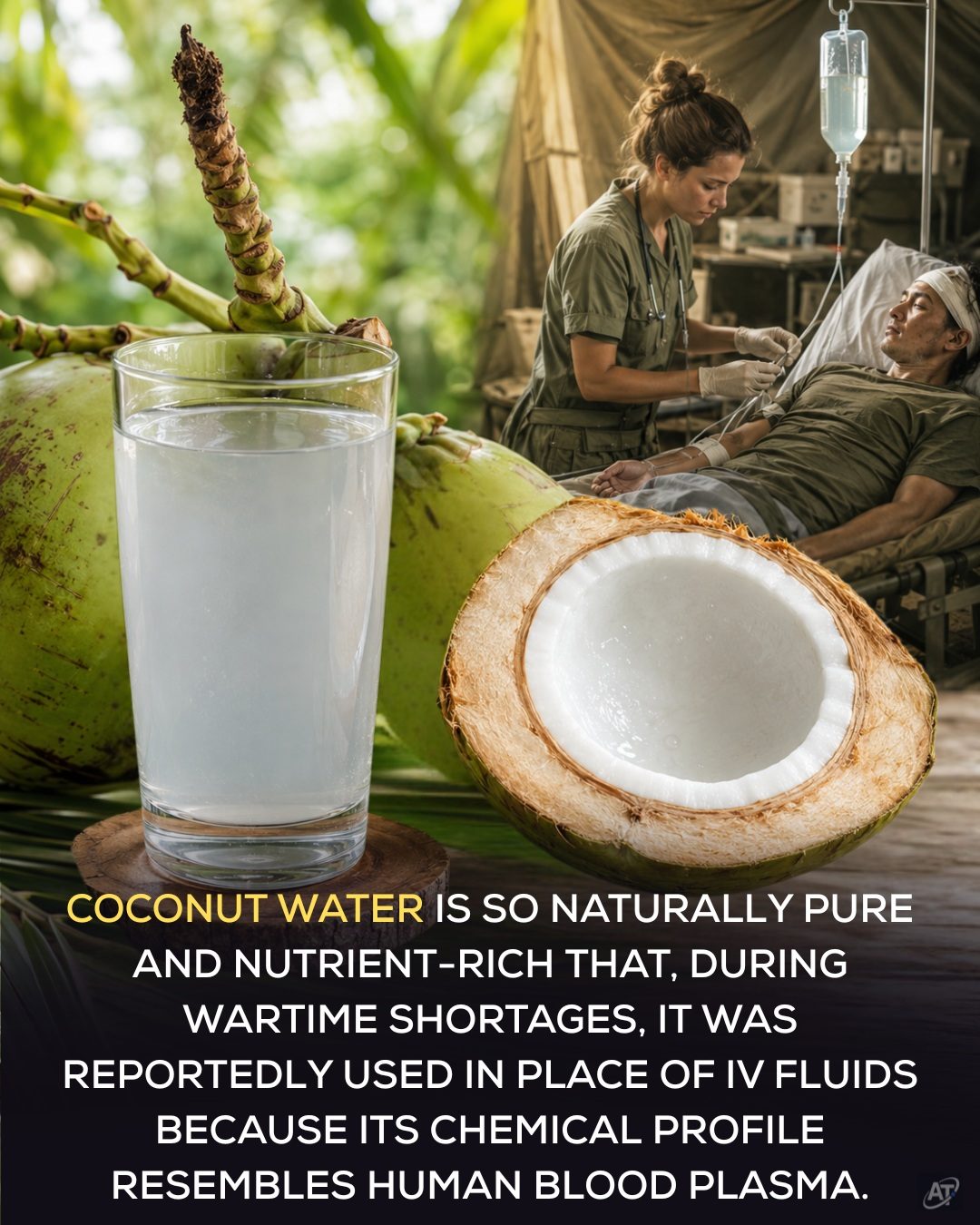
Coconut Water: A Unique Chapter in Medical History
Coconut water has a fascinating and unexpected chapter in medical history. During wartime and in remote regions where medical supplies were scarce, doctors sometimes used coconut water as a short-term intravenous (IV) fluid. This unusual practice was driven by the fact that the liquid inside a young, unopened coconut is generally sterile and contains water, natural sugars, and essential electrolytes like potassium, sodium, calcium, and magnesium.
Why This Matters
Understanding the historical use of coconut water in medical emergencies sheds light on the resourcefulness of healthcare providers in desperate situations. It also highlights the unique properties of coconut water, which made it a viable, albeit temporary, solution in extreme circumstances. While this practice is no longer recommended, it offers insights into the versatility and nutritional value of this natural beverage.
The Historical Context
Wartime and Remote Medicine
During times of war and in isolated areas where medical supplies were limited, doctors faced significant challenges in keeping patients hydrated. The sterile environment inside a young coconut, combined with its electrolyte content, made coconut water a practical choice for emergency IV fluid. This practice was documented during periods of severe shortage, when standard IV solutions were unavailable.
The Chemical Profile
Coconut water's chemical composition is notable for its resemblance to intracellular fluid rather than blood plasma. It is rich in potassium and low in sodium compared to standard IV fluids. This difference is crucial because it means that using coconut water intravenously can be risky. The imbalance in electrolytes can lead to complications, making it unsuitable for modern medical use except as a last-resort emergency under strict medical supervision.
The Science Behind Coconut Water
Electrolyte Balance
The electrolyte balance in coconut water is what makes it both useful and dangerous in medical contexts. While it contains essential electrolytes, its specific composition—high in potassium and low in sodium—differs significantly from human blood plasma. This imbalance is why coconut water is not a safe substitute for IV fluids in typical medical settings.
Sterility and Nutritional Content
One of the key features of coconut water is its sterility when sealed inside a young, unopened coconut. This natural sterility, combined with its nutritional content, made it a practical choice in emergency situations. However, it's important to note that this sterility is only guaranteed in unopened coconuts. Once the coconut is opened, the risk of contamination increases, making it unsuitable for medical use.
Practical Tips for Consuming Coconut Water
Hydration and Health
As a beverage, coconut water can be a refreshing and hydrating option for many people. It is a natural source of electrolytes, making it a popular choice for athletes and those looking to replenish fluids after intense physical activity. However, it's essential to consume it wisely, especially for individuals with kidney disease or those who need to monitor their potassium intake.
Moderation and Awareness
While coconut water can be beneficial, it should be consumed in moderation. Its high potassium content can be problematic for individuals with certain health conditions. It's always a good idea to consult with a healthcare provider before making significant changes to your diet, especially if you have pre-existing health concerns.
Important Takeaways
- Coconut water has a unique place in medical history, serving as an emergency IV fluid during wartime and in remote regions.
- Its chemical profile resembles intracellular fluid more than blood plasma, making it risky for intravenous use in modern medicine.
- Coconut water is a natural source of electrolytes and can be a hydrating beverage, but it should be consumed with awareness of its potassium content.
- The practice of using coconut water as an IV fluid is an example of wartime and remote-medicine improvisation and should not be attempted outside of extreme emergencies under medical supervision.
Conclusion
Coconut water's role in medical history is a testament to human ingenuity and the resourcefulness of healthcare providers. While it served a crucial purpose in desperate situations, it is not a safe substitute for modern IV fluids. As a beverage, coconut water can be a refreshing and hydrating choice, but it should be consumed with an understanding of its nutritional content and potential health implications. The story of coconut water in medical history is not about replacing modern medicine but about the adaptive practices that arise in the face of adversity.
Watch the Reel
Questions readers ask
Why was coconut water used as an IV fluid during wartime?
Coconut water was used as an IV fluid during wartime due to its sterile environment and the presence of essential electrolytes, such as potassium, sodium, calcium, and magnesium. This made it a practical and readily available alternative in situations where medical supplies were limited.
What makes coconut water a suitable short-term IV fluid?
Coconut water contains natural sugars and essential electrolytes that are crucial for maintaining bodily functions. Its sterile nature, when sourced from unopened young coconuts, also makes it a safe option for short-term use as an IV fluid.
How did healthcare providers utilize coconut water in remote areas?
Healthcare providers in remote areas and during wartime used coconut water as a makeshift IV fluid to replenish fluids and electrolytes in patients. This practice showcased their resourcefulness in situations where traditional medical supplies were not available.
What specific electrolytes are found in coconut water that benefit medical use?
Coconut water contains electrolytes such as potassium, sodium, calcium, and magnesium. These electrolytes are important for maintaining hydration, supporting nerve and muscle function, and regulating fluid balance in the body.
Why is the source of coconut water important for its medical use?
The source of coconut water is crucial because the liquid from a young, unopened coconut is generally sterile. This sterility is what made it safe for use as an IV fluid in emergency situations, reducing the risk of infection.
How does the historical use of coconut water reflect on wartime medical practices?
The historical use of coconut water as an IV fluid reflects the ingenuity and adaptability of healthcare providers during wartime. It highlights their ability to think outside the box and use available resources to provide necessary care in challenging and resource-scarce conditions.
Can coconut water still be used as an IV fluid today?
While coconut water was historically used as an IV fluid in emergencies, it is not a standard practice today. Modern medical advances have provided safer and more reliable IV solutions. However, understanding its historical use provides insight into the properties of coconut water and the innovative practices of healthcare providers in the past.
Related deep dives
Similar reads based on topic and creator.


Recent articles
Fresh deep dives from the latest Reels we unpacked.




Comments
Be the first to comment.