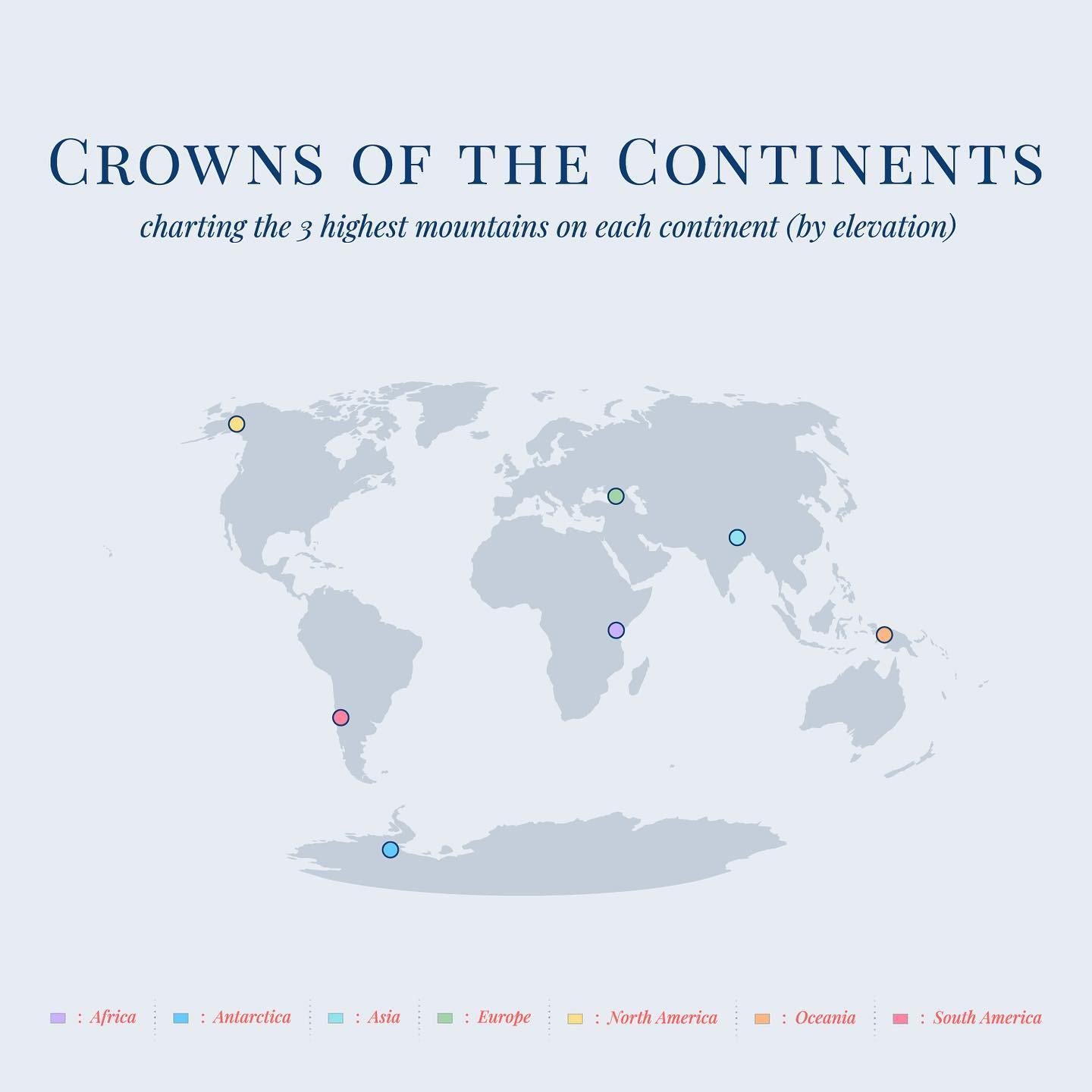
The Crowns of the Continents: The Highest Mountains on Each Landmass
Mountains have captivated humans for millennia, from the towering Himalayas of Asia to the dormant Mauna Kea in Hawai'i. They are geological wonders, cultural touchstones, and the pinnacle of natural beauty. Among the world's mountain ranges, a select few peaks stand tallest, each a crown for the continent it calls home. Let's explore the highest mountains on each continent, delving into their elevations, locations, and unique characteristics.
Why This Matters
Understanding the highest mountains on each continent provides more than just geographical insights. It offers a glimpse into the diverse geology and climate of each landmass. From the rugged terrains of Europe to the icy peaks of Antarctica, these mountains shape the landscapes and ecosystems around them. Moreover, they hold cultural significance for the people who live nearby, often serving as symbols of national pride and natural heritage.
The Contenders: Highest Mountains by Continent
Asia: Mount Everest
Asia's highest peak is world-renowned. Mount Everest, standing at 8,848.86 meters (29,031.7 feet), is located in the Himalayas on the border of Nepal and China. Climbers from around the globe are drawn to its summit, making it a symbol of human endurance and achievement. The mountain's immense height and challenging climbing conditions make it a formidable test for even the most experienced mountaineers.
Africa: Mount Kilimanjaro
Mount Kilimanjaro, in Tanzania, is Africa's highest peak. At 5,895 meters (19,341 feet), it is a dormant volcano composed of three distinct volcanic cones: Kibo, Mawenzi, and Shira. Unlike many other high peaks, Kilimanjaro is accessible to hikers of varying skill levels, offering a range of routes that cater to different fitness and experience levels. Its diverse ecosystems, from rainforests to alpine deserts, make it a unique destination for adventurers.
South America: Aconcagua
Aconcagua, located in Argentina, is the highest peak in South America. Standing at 6,960.8 meters (22,837 feet), it is part of the Andes mountain range. Aconcagua is noted for its technical climbing challenges, particularly the normal route, which involves navigating steep slopes and potential altitude sickness. Despite these challenges, the mountain attracts climbers seeking to conquer one of the world's tallest peaks.
North America: Denali
Denali, formerly known as Mount McKinley, is the highest peak in North America. Located in Alaska, it stands at approximately 6,190 meters (20,310 feet) above sea level. When measured from base to peak, it is considered the tallest mountain in the world, surpassing Mount Everest. Its remote location and harsh weather conditions make it a formidable challenge for climbers, offering a true test of endurance and skill.
Europe: Mount Elbrus
Mount Elbrus, situated in the Caucasus Mountains, is generally considered the highest peak in Europe. At 5,642 meters (18,510 feet), it is a dormant volcano with two summits. Its classification as Europe's highest peak is somewhat controversial due to differing opinions on the boundary between Europe and Asia. However, its prominence and accessibility make it a popular destination for climbers and skiers alike.
Antarctica: Vinson Massif
Vinson Massif, the highest peak in Antarctica, stands at 4,892 meters (16,050 feet). Located in the Sentinel Range of the Ellsworth Mountains, it is the least accessible of the seven summits, the highest peaks on each continent. Climbing Vinson Massif requires extensive planning and logistical support, including air travel and specialized equipment to handle the extreme cold and harsh conditions.
Australia: Mount Kosciuszko
Mount Kosciuszko, located in the Australian Alps, is the highest peak in Australia. At 2,228 meters (7,310 feet), it is a popular destination for hikers and climbers. Unlike many of the other highest peaks, Mount Kosciuszko is relatively easy to access, making it an appealing option for those seeking a challenging but achievable climb. The surrounding Kosciuszko National Park offers a range of outdoor activities, from hiking and skiing to wildlife viewing.
Oceania: Puncak Jaya
Puncak Jaya, also known as Carstensz Pyramid, is the highest peak in Oceania. Located in Indonesia, it stands at 4,884 meters (16,024 feet). The mountain is part of the Sudirman Range in Papua province and is known for its technical climbing challenges, including steep rock faces and unpredictable weather. Climbing Puncak Jaya requires experienced mountaineering skills and careful planning.
Practical Tips for Aspiring Mountaineers
Physical Preparation
Climbing any of the world's highest peaks requires a high level of physical fitness. Regular cardio and strength training are essential. Incorporating hikes and other outdoor activities into your routine can help build endurance and prepare your body for the rigors of high-altitude climbing.
Technical Skills
Different mountains require different technical skills. Some peaks may involve steep climbing, ice climbing, or rock climbing. Familiarize yourself with these techniques through courses and practice sessions. Refining your skills before embarking on a major climb can significantly enhance your chances of success.
Altitude Training
Altitude sickness is a significant risk when climbing high peaks. Acclimatizing to higher altitudes can help mitigate this risk. Spend time at higher elevations before attempting a summit, and consider using altitude training masks or chambers to prepare your body for the reduced oxygen levels.
Gear and Equipment
Having the right gear is crucial for a successful climb. Invest in high-quality, durable equipment suitable for the conditions you'll encounter. Essential items include sturdy boots, layers of clothing, a reliable tent, and a well-equipped first aid kit. Always check your gear thoroughly before embarking on a climb to ensure everything is in good working order.
Important Takeaways
The highest mountains on each continent offer a diverse array of climbing experiences, from technical challenges to cultural significance. Understanding the unique characteristics of these peaks can help you prepare for your adventure. Whether you're aiming to conquer Mount Everest or Mount Kosciuszko, each climb presents a unique set of challenges and rewards.
Conclusion
The highest mountains on each continent are more than just geographical landmarks; they are symbols of natural beauty, cultural heritage, and human achievement. From the snow-capped peaks of Mount Everest to the rugged terrain of Denali, each mountain offers a unique climbing experience. Whether you're an experienced mountaineer or a curious adventurer, exploring these peaks provides an opportunity to connect with nature and push the limits of human endurance.
Watch the Reel
Questions readers ask
Which is the highest peak on the continent of Africa?
The highest peak on the continent of Africa is Mount Kilimanjaro in Tanzania. It stands at approximately 5,895 meters (19,341 feet) tall and is a dormant volcano. Kilimanjaro is known for its three volcanic cones: Kibo, Mawenzi, and Shira, with Kibo being the highest.
What is the highest mountain on the continent of Europe?
The highest peak in Europe is Mount Elbrus, located in Russia. With an elevation of about 5,642 meters (18,510 feet), Elbrus is a dormant volcano and is part of the Caucasus mountain range. It is also one of the Seven Summits, the highest peaks on each of the seven continents.
How high is the highest peak in Antarctica?
The highest peak in Antarctica is Vinson Massif, standing at approximately 4,892 meters (16,050 feet) tall. Located in the Ellsworth Mountains, Vinson Massif is a popular destination for mountaineers and offers a challenging climbing experience due to its remote location and harsh weather conditions.
What is the name of the highest mountain in South America?
Aconcagua is the highest peak in South Amrica, located in Argentina. With an elevation of about 6,961 meters (22,838 feet), Aconcagua is not only the highest peak in South America but also the highest peak in both the Western and Southern Hemispheres outside of Asia.
Which mountain is the highest peak in Asia?
The highest peak in Asia is Mount Everest, situated in the Himalayas on the border of Nepal and China. With a height of approximately 8,849 meters (29,032 feet), Mount Everest is also the highest peak in the world.
What is the highest point in North America?
Denali, also known as Mount McKinley, is the highest peak in North America. Located in Alaska, USA, Denali stands at about 6,190 meters (20,310 feet) tall. It is known for its extreme weather conditions and challenging climbing routes.
How many of the world's highest peaks can be found in Asia?
Asia is home to the world's highest peaks, including the top 10 highest peaks. The geographical features of Asia create ideal conditions for the formation of the tallest mountains in the world, with Mount Everest being the most notable. The Himalayas, Karakoram, and other mountain ranges in Asia feature numerous peaks over 8,000 meters.
Related deep dives
Similar reads based on topic and creator.




Recent articles
Fresh deep dives from the latest Reels we unpacked.




Comments
Be the first to comment.