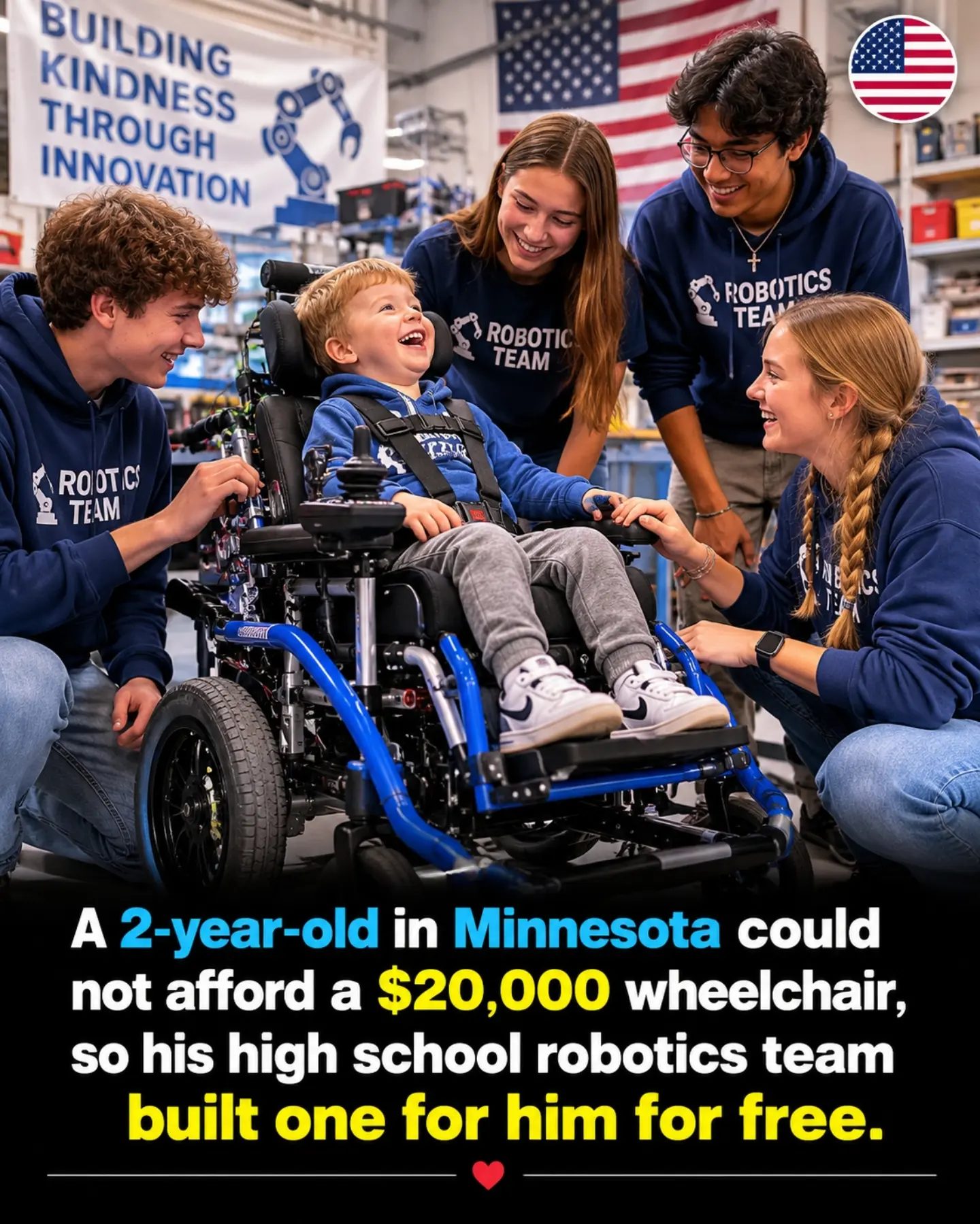
Wheelchairs and Robotics: High School Students Build a Life-Changing Device
Innovation and technology have become key drivers in our daily lives, and one of the most impactful ways this is seen is in the hands of young innovators. This story centers around a high school robotics team and their incredible achievement. The team built a wheelchair for a 2-year-old boy in Minnesota, whose family could not afford the $20,000 price tag for a wheelchair. The result was a wheelchair built for free, showcasing the power of ingenuity and community support.
Why This Matters
The story of this robotics team highlights several important themes. Firstly, it underscores the accessibility issues surrounding assistive technologies like wheelchairs. For many families, the high cost of wheelchairs can be a significant barrier to acquiring the necessary equipment. Secondly, it demonstrates the potential of robotics and engineering in addressing real-world problems, particularly when it comes to improving the quality of life for individuals with disabilities. Lastly, it emphasizes the importance of community involvement and the role of young innovators in driving change.
The Impact of Robotics on Assistive Technologies
The Need for Affordable Assistive Technologies
Wheelchairs are essential for individuals with mobility impairments, enabling them to navigate their environment and maintain independence. However, the cost of wheelchairs can be prohibitive for many families. Custom-made wheelchairs or those with advanced features can cost tens of thousands of dollars, making them inaccessible for those who need them most. This is where innovative solutions from robotics teams can make a significant difference. By leveraging their skills and knowledge, these teams can create custom, affordable assistive technologies tailored to individual needs.
The Role of High School Robotics Teams
High school robotics teams are often at the forefront of innovative projects that combine technology and community service. These teams typically consist of students with a variety of skills, including mechanical engineering, programming, and design. Projects like building a wheelchair not only provide hands-on learning experiences but also teach students about empathy, collaboration, and the impact of their work on others.
The Journey of Building the Wheelchair
The journey of building a wheelchair for free involves several key steps. Firstly, the team must assess the specific needs of the individual. This includes understanding the type of mobility impairment, the user's height, weight, and any specific features required, such as adjustable seats or specialized controls. The team also needs to consider the materials and components available, ensuring they are durable, reliable, and cost-effective.
Designing and building the wheelchair involves several stages, including prototyping, testing, and iterating on the design. The team works closely with the user and their family to ensure the wheelchair meets their needs and preferences. Once the design is finalized, the team can begin the manufacturing process, which may involve 3D printing, machining, and assembly.
Practical Tips for Aspiring Robotics Teams
Collaborate with Local Communities
One of the best ways for robotics teams to stay motivated and connected to their projects is by collaborating with local communities. Reaching out to schools, hospitals, and rehabilitation centers can provide valuable insights into the needs of individuals with disabilities and offer opportunities for hands-on experience. By working directly with those who will benefit from their creations, teams can ensure their projects have a meaningful impact.
Utilize Open-Source Resources
Open-source resources and communities can be incredibly valuable for robotics teams. These resources provide access to a wealth of knowledge, including design files, code, and tutorials. By leveraging open-source resources, teams can accelerate their development process and learn from the experiences of others. Additionally, contributing to open-source projects can help teams build their skills and gain recognition within the community.
Explore Funding and Sponsorship Opportunities
Funding and sponsorship can significantly enhance the capabilities of robotics teams, allowing them to pursue more ambitious projects. Teams can explore various funding opportunities, including grants, crowdfunding, and sponsorships from local businesses. By securing funding, teams can access advanced materials, tools, and software, enabling them to build more sophisticated and impactful technologies.
Important Takeaways
The story of the high school robotics team and the wheelchair highlights several key takeaways. Firstly, it demonstrates the power of youthful innovation. High school students have the creativity, enthusiasm, and technical skills to tackle complex challenges and make a real difference in the world. Secondly, the project illustrates the potential of robotics and engineering in addressing real-world problems. This includes improving accessibility, reducing costs, and enhancing the quality of life for individuals with disabilities.
Finally, the initiative emphasizes the importance of collaboration and community involvement. By working with local communities, robotics teams can ensure their projects are tailored to specific needs and have a meaningful impact. This collaboration also provides valuable learning opportunities, helping students develop the skills and knowledge they need to become future innovators and leaders.
Conclusion
The journey of a high school robotics team building a wheelchair for a 2-year-old boy is a testament to the power of innovation and community. It highlights the need for affordable assistive technologies and the role of young innovators in driving change. By leveraging their skills and resources, robotics teams can create custom, affordable solutions that improve the lives of individuals with disabilities. The story serves as an inspiration for future generations, encouraging them to use their talents to make a positive impact on the world.
Watch the Reel
Questions readers ask
How did the high school robotics team come up with the idea to build a wheelchair?
The robotics team was inspired by a local family's struggle to afford a $20,000 wheelchair for their 2-year-old son. This real-life need drove the team's project, demonstrating how community awareness can spark innovative solutions.
What materials did the robotics team use to build the wheelchair?
The specific materials used by the team are not detailed in the article. However, similar projects often utilize a combination of lightweight metals, 3D-printed components, and other affordable, durable materials to ensure the wheelchair is both functional and cost-effective.
Can other high school robotics teams replicate this project?
Yes, other robotics teams can certainly use this as inspiration. To start, teams should assess local needs, collaborate with community members, and research available materials and technologies. Many online resources and forums can provide guidance on building assistive technologies.
How can robotics teams find out about families in need of assistive technologies?
Teams can reach out to local hospitals, rehabilitation centers, and non-profit organizations that focus on disability support. These places often have information about families in need and can facilitate connections. Additionally, social media and community bulletin boards can be useful platforms for spreading awareness.
What are some other robotics project ideas that benefit the community?
There are numerous project ideas that can positively impact communities. Examples include creating affordable prosthetic limbs, developing smart devices for the visually impaired, building automated systems for elderly care, and designing assistive tools for people with mobility challenges.
How can high school students get involved in robotics if their school doesn't have a team?
Students interested in robotics can start by forming their own team or club. They can seek guidance from teachers, reach out to local robotics communities, and participate in online forums and competitions. Additionally, there are many after-school programs and summer camps focused on robotics where students can learn and practice.
Related deep dives
Similar reads based on topic and creator.



Recent articles
Fresh deep dives from the latest Reels we unpacked.




Comments
Be the first to comment.