Preventing Deadly Rockslides: The Crucial Work of Highway Safety Teams
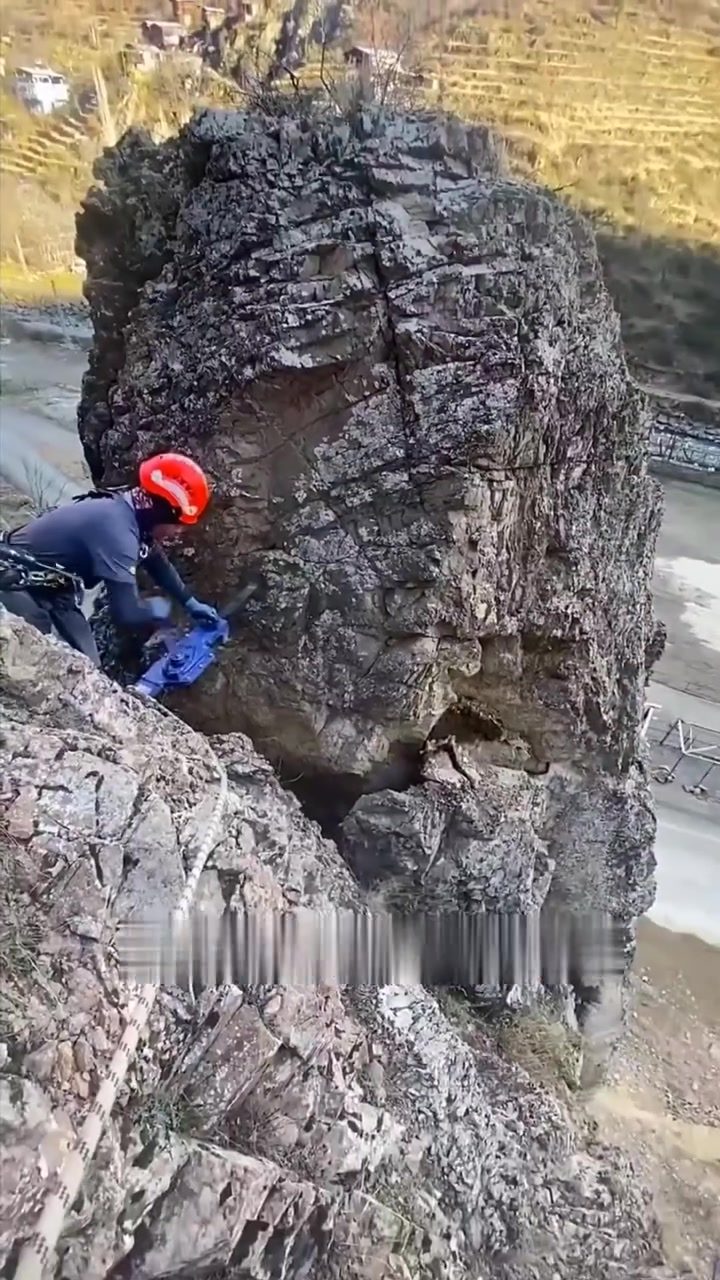
Highway safety teams play a pivotal role in maintaining the safety of roads, especially in mountainous regions where rockslides and landslides pose significant threats. Their work involves identifying and mitigating hazards that could lead to severe accidents or even fatalities. This job is not just about pushing boulders off cliffs; it encompasses a range of activities that ensure road safety.
The Dangers of Unstable Rocks
Mountainous roads are often lined with steep cliffs and unstable rock formations. These areas are particularly vulnerable to rockfalls, which can be triggered by various factors, including weather conditions, erosion, and even the slight vibrations from passing vehicles. Unstable rocks are a constant threat, as they can suddenly give way, leading to catastrophic consequences.
The Role of Highway Safety Workers
Highway safety workers are tasked with the dangerous job of preventing rockslides on mountain roads. They use specialized tools and equipment to remove loose boulders from steep cliffs before they can pose a threat. This process involves pushing massive boulders down the cliffs in a controlled manner, ensuring that they do not fall on their own and cause accidents. The workers often hang from steep cliffs, risking their lives while dealing with the unpredictable path of falling rocks.
How Does the Work Proceed?
The process of ensuring road safety begins with a thorough inspection of the cliffs for loose stones. Before any rocks are removed, the road is completely closed to traffic. This closure is essential to prevent any potential accidents that could occur if a rockslide happens while traffic is moving. Once the area is cleared and deemed safe, traffic is allowed to resume. This meticulous process ensures that the road remains safe for drivers and passengers.
The Importance of Traffic Management
Effective traffic management is crucial in mountainous areas where rockslides are a constant threat. Workers often have to close roads temporarily to carry out their inspections and removal activities. This closure, though inconvenient, is a necessary step to ensure the safety of all road users. The coordination between highway safety teams, local authorities, and traffic management agencies is key to minimizing disruptions and maintaining safety.
The Psychological Impact on Workers
The job of highway safety workers is not only physically demanding but also psychologically challenging. Watching giant boulders crash down might seem oddly relaxing to an observer, but for the workers, it is a constant reminder of the danger they face. The unpredictability of rockfalls and the ever-present risk of injury or death make this one of the most hazardous jobs in the world.
Practical Tips for Drivers in Mountainous Areas
Stay Alert
When driving on mountainous roads, especially those prone to rockslides, it is crucial to stay alert. Pay close attention to road signs and any instructions given by local authorities. Be prepared to stop or change your route if necessary.
Keep a Safe Distance
Maintain a safe distance from other vehicles and keep an eye on the road ahead. This distance can be crucial in case of a sudden rockslide or other hazards.
Be Prepared for Delays
Temporary road closures are a common occurrence in mountainous areas. Be prepared for delays and plan your journey accordingly. Carry essentials like water, snacks, and a first-aid kit in case of unexpected delays.
Follow Safety Instructions
Always follow the instructions given by highway safety workers and law enforcement. They are there to ensure your safety, and ignoring their instructions could put you at risk.
Important Takeaways
The work of highway safety teams is vital for maintaining road safety in mountainous regions. Their efforts involve not only the physical removal of loose boulders but also the psychological challenge of constantly facing danger. Drivers in these areas must be aware of the risks and follow safety guidelines to ensure their own safety and that of others.
Conclusion
Highway safety teams play a crucial role in preventing deadly rockslides and ensuring the safety of drivers on mountainous roads. Their work, though dangerous and demanding, is essential for maintaining safe travel conditions. By understanding the risks and following safety guidelines, drivers can contribute to their own safety and the overall safety of the road.
Watch the Reel
Questions readers ask
What are the primary responsibilities of a highway safety team in preventing rockslides on mountain roads?
Highway safety teams primarily identify areas with unstable rocks and other hazards. They then remove these potential dangers and stabilize the cliffs to prevent rockslides. This involves using specialized techniques and equipment to ensure the safety of both the team and the road users.
What factors contribute to the instability of rocks on mountain cliffs?
Several factors contribute to rock instability, including weather conditions like rain or freeze-thaw cycles, erosion over time, and even the vibrations from vehicles passing by. These factors can cause rocks to loosen and pose a risk of falling onto the road below.
What are some of the techniques used for removing loose rocks from cliffs?
Highway safety teams use various techniques for removing loose rocks, such as scaling, which involves climbing the cliff to remove unstable rocks by hand. They may also use explosives for larger, more hazardous formations, or employ mechanical equipment like excavators and cranes from a safe distance.
How do highway safety teams ensure their own safety while working on steep cliffs?
Teams employ rigorous safety protocols, including using specialized safety gear like harnesses and ropes, and following strict procedures for working at heights. Additionally, they often use remote-controlled or automated tools to minimize human exposure to hazardous areas.
What role does weather play in the prevention of rockslides on mountain roads?
Weather is a significant factor in rockslide prevention. Teams monitor weather conditions closely, as heavy rain, rapid temperature changes, or prolonged dry spells can increase the risk of rockfalls. They may adjust their work schedules or employ additional safety measures during adverse weather conditions.
What precautions should drivers take when traveling on mountainous roads with a risk of rockslides?
Drivers should stay alert and be aware of signs indicating potential rockslide areas. It's crucial to follow any instructions from local authorities, such as speed limits or closure notices. If you see a rockslide in progress, do not stop on the road; instead, safely pull over and inform local authorities.
How does the maintenance of mountain roads help in preventing rockfalls?
Regular maintenance, including clearing loose rocks and debris, monitoring cliff stability, and repairing erosion damage, helps prevent rockfalls. This proactive approach minimizes the accumulation of unstable rocks, reducing the likelihood of rockslides and ensuring safer road conditions for travelers.
Related deep dives
Similar reads based on topic and creator.


Recent articles
Fresh deep dives from the latest Reels we unpacked.




Comments
Be the first to comment.