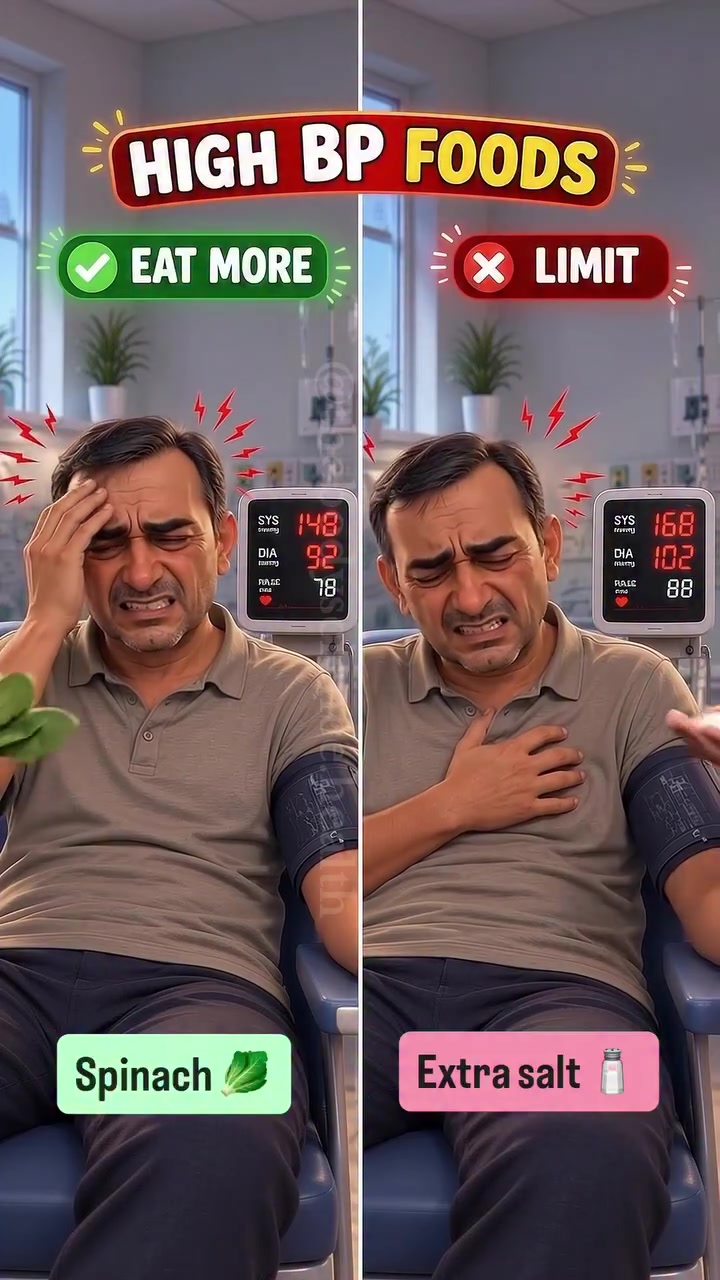
Sometimes what you eat can send your blood pressure through the roof. For example, papad and instant noodles can bring blood pressure up making you dizzy or even faint. Blood pressure readings can pinpoint some foods that affect those numbers the most.
The Role of Diet in Regulating Blood Pressure
If you have a blood pressure monitor, you probably already know that the numbers are driven not only by stress and genetics. Food choices play a critical role in maintaining — or disrupting — healthy blood pressure levels. Your diet can either keep your pressure levels in check or make it soar, impacting your heart and overall health. High blood pressure is a leading cause of cardiovascular disease, which is responsible for about 17.9 million deaths globally each year. By identifying specific foods, you can actively manage your blood pressure and mitigate health risks.
How Foods Influence Blood Pressure
The Impact of Sodium and Potassium
Certain foods can affect blood pressure due to their sodium and potassium content. Consuming excessive sodium can lead to fluid retention, increasing blood pressure. Food like instant noodles since they usually contain high levels of sodium. Fast foods, processed meats, and canned soups can also fall into this category. On the other hand, foods rich in potassium help regulate blood pressure by counteracting the effects of sodium. These foods include fruits and vegetables like orange and oats, which can help lower blood pressure. According to the data presented, Blood pressure readings were high before consuming healthy food. But, some foods have different effects in different people. Experimental results showing a reduction in blood pressure readings can vary from one person to another.
Orange
Oranges are a good source of potassium, fiber, folate, and vitamins A and C. All these nutrients can contribute to good make-up of the body cells. High blood pressure is a health condition that can interfere with a healthy body cell make-up. However, data suggests that consuming orange can help lower blood pressure. It is so because oranges are rich in potassium, which helps to regulate blood pressure by counteracting the effects of sodium.
Papad
Papad is a thin, round, crispy Indian snack traditionally made from lentil flour. It is often fried. Health experts caution against eating food to control body weight and blood pressure. Instant noodles, papad, and other ready-to-eat foods primarily consist of processed ingredients. These processed foods are loaded with sodium and preservatives, which affect your blood pressure readings.
Oats
Oats are rich in vitamins, minerals, and antioxidants. They are a whole-grain food that contains a type of fiber known as beta-glucan. This fiber helps to reduce cholesterol levels and lower the risk of heart disease. Oats also contain a good amount of potassium. According to the data presented in the video, consuming oats can help lower blood pressure. However, a serving of oats can go a long way in helping you manage your blood pressure readings.
Instant Noodles
Instant noodles are a popular food item eaten as a snack as well as a meal. The warm and tasty meal is an instant hit with a tasty sauce. For many, it is comfort food. But, instant noodles are loaded with salt, fat, and calories.
Sweeteners
Foods that have a high Glycemic Index (GI) can lead to a sharp rise in your blood glucose levels and may contribute to high blood pressure. Sweeteners, such as sucrose and fructose, found in processed foods and sugary drinks, are often the main contributors to this problem. Some studies suggest that high GI foods may also contribute to obesity, which is another risk factor for high blood pressure.
Blood Pressure: The Science Behind the Pump
High blood pressure, also known as hypertension, is a condition in which the force of blood against the artery walls is consistently too high. A blood pressure reading is given in two numbers. The top number (systolic pressure) measures the pressure when the heart beats. While the bottom number (diastolic pressure) measures the pressure when the heart is at rest between beats. While the data presented shows that the systolic pressure increased from 148 to 168 when potentially unhealthy food was consumed, this triggers a call for caution. This needs to be repeated several times to map out the pattern and determine what can be done to manage the levels.
What is the best tool for monitoring blood pressure?
For blood pressure monitoring, a machine can be used. It helps in keeping track of your blood pressure readings. By tracking your blood pressure, you can identify specific foods that affect your blood pressure the most. It is a good idea to take your blood pressure at the same time each day and to monitor any changes in your blood pressure. The results should be compared and documented. While blood pressure readings might not always seem alarming, a high blood pressure reading can indicate a severe condition. If you notice that your blood pressure is consistently high, it is essential to take action.
Managing High Blood Pressure with Diet
Foods that contribute to higher blood pressure include papad and instant noodles. By eating healthy, you can boost your blood pressure's natural controlling power. Also, you can make the right choices. Otherwise, you could also visit a health professional. It is vital to manage your blood pressure in order to keep yourself and your loved ones healthy and avoid potential health complications.
Prepare a health plan
Step one involves meal planning. Focus on foods that are nutrient-rich and have a low glycemic index. Include a variety of fruits and vegetables, whole grains, lean proteins, and healthy fats in your diet. Step two is all about cooking. Instead of buying ready-to-eat meals, start cooking at home. This way, you can control the amount of sodium and other ingredients in your food. You can choose to use herbs and spices to flavor your food instead of salt. Cooking at home can also help you save money and eat healthier. Also, make sure to check the nutritional information on food labels. Reduce salt intake by limiting the consumption of processed foods, canned goods, and fast foods.
Watch the Reel
Recent articles
Fresh deep dives from the latest Reels we unpacked.




Comments
Be the first to comment.