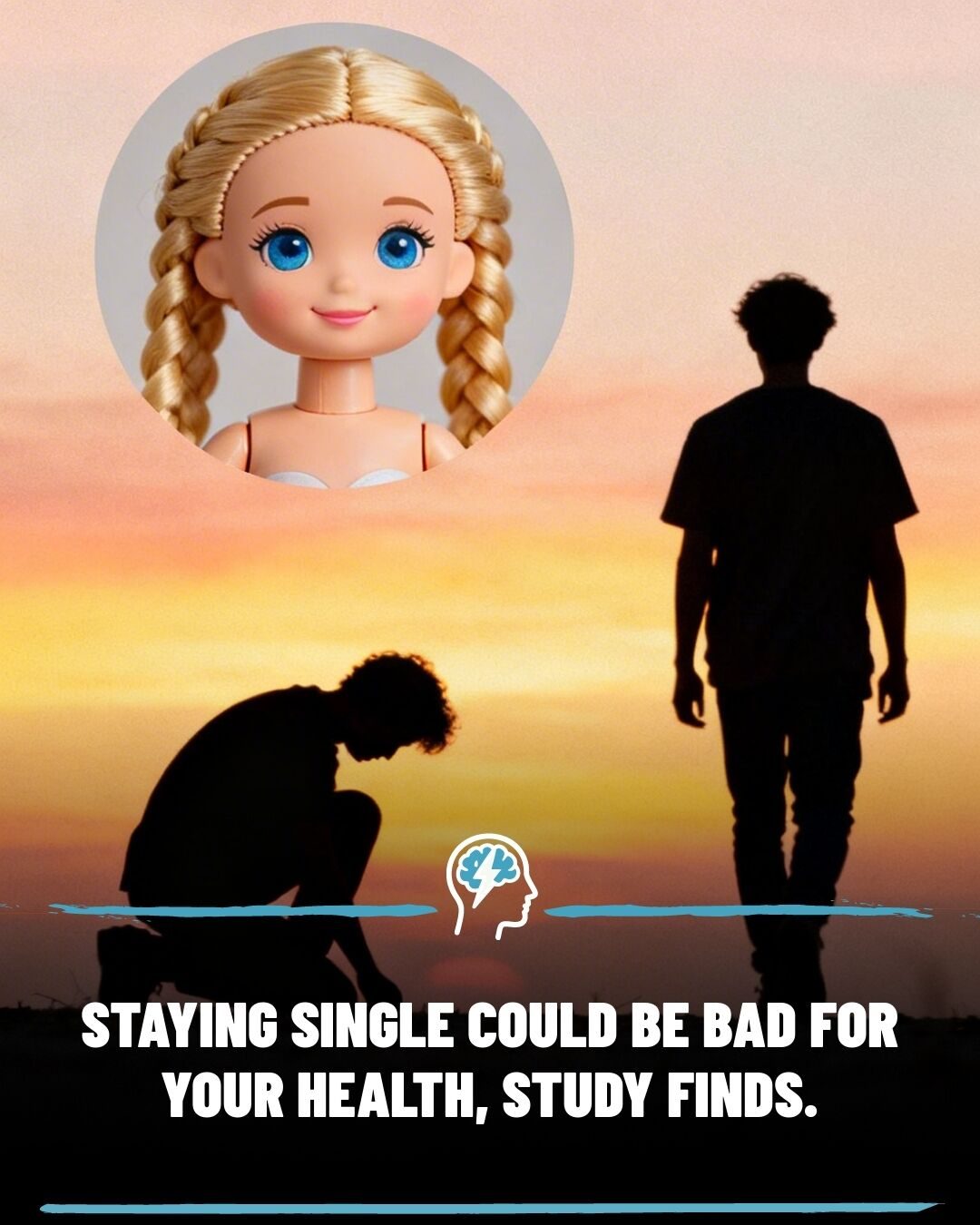
Long-term Singlehood and Its Impact on Health
Singlehood, especially prolonged, may have serious implications for one's health. Recent research on hundreds of young adults in Germany and the UK has shown that sustaining a single status into adulthood, particularly in one's late twenties, can lead to significant declines in life satisfaction. This is accompanied by increased loneliness and elevated symptoms of depression. The research, published in the Journal of Social and Personal Relationships in 2024, sheds light on the intricate connection between mental health and social well-being.
Context / Why This Matters
Understanding how long-term singlehood affects health is crucial for anyone navigating their twenties or navigating the complexities of modern relationships. This awareness can help individuals make informed decisions about their social and romantic connections, and how they might impact overall well-being. Moreover, this subject highlights the importance of social support systems and their role in maintaining mental and physical health.
The Science Behind Singlehood and Health Risks
Loneliness and social isolation, which often accompany long-term singlehood, have been linked to a variety of health risks. The body's response to prolonged loneliness includes elevated cortisol levels. Cortisol, known as the stress hormone, increases when a person feels isolated. This elevated cortisol can lead to inflammation and impaired immune function, making individuals more susceptible to illness.
The American Psychological Association has noted that loneliness can increase health risks to a degree comparable to smoking 15 cigarettes daily. This is a startling statistic that underscores the seriousness of the issue. A study published in Perspectives on Psychological Science by Holt-Lunstad et al. found that social isolation and loneliness can significantly increase the risk of heart disease by 29% and stroke by 32%.
Single adults are also at a 5% higher risk of developing heart disease compared to their married peers. This risk is particularly relevant given the increasing rates of heart disease in younger populations. Understanding how social isolation contributes to these risks can help individuals and healthcare providers address these issues proactively.
How Singlehood Affects Sleep and Mood
Sleep and mood are additional areas impacted by loneliness. Studies from the Centers for Disease Control and Prevention (CDC) show that social isolation is associated with poor sleep quality, which can further exacerbate mental health issues. Loneliness, often experienced by those who are involuntarily single, is a significant contributor to depression and other mental health conditions. These effects can create a vicious cycle where poor mental health leads to further social isolation, which in turn worsens mental health outcomes.
Important Nuances in the Research
It's crucial to note that the health risks associated with singlehood are not inevitable for everyone. Studies indicate that people who choose to be single report significantly lower levels of romantic loneliness compared to those who are single involuntarily. This suggests that the perception of one's relationship status plays a significant role in overall well-being. Voluntarily single individuals may experience fewer health risks because they have a more positive outlook on their relationship status and are less likely to feel lonely or socially isolated.
Building Strong Social Connections
The research highlights that the real risk factor appears to be social isolation, not singlehood itself. Building and maintaining strong connections with friends, family, and the community can significantly mitigate the health risks associated with loneliness. Emotional support does not necessarily have to come from a romantic partner; it can be derived from various social networks.
Practical Tips for Maintaining Health While Single
If you are single and actively seeking ways to enhance your well-being, consider the following tips:
- Engage in Social Activities: Join clubs, groups, or volunteer organizations that align with your interests. This will help you build meaningful connections and expand your social circle.
- Prioritize Mental Health: Practice mindfulness and seek professional help if needed. Therapy can provide valuable tools for managing stress and improving emotional well-being.
- Stay Physically Active: Regular exercise can help reduce stress and improve mood. It also provides opportunities for social interaction, whether through group classes or team sports.
- Maintain a Healthy Lifestyle: A balanced diet and adequate sleep are essential for overall health. These habits can help mitigate the effects of stress and loneliness.
Important Takeaways
Long-term singlehood can have significant implications for health, particularly in terms of mental and cardiovascular well-being. However, the impact varies considerably by individual. What matters most is the perception of one's relationship status and the strength of social connections. By proactively building and maintaining these connections, individuals can mitigate the health risks associated with loneliness and social isolation.
Conclusion
Understanding the link between singlehood and health is an essential step towards improving overall well-being. Whether single by choice or circumstance, fostering strong social connections can significantly enhance one’s quality of life. By focusing on maintaining a healthy lifestyle, engaging in social activities, and seeking emotional support when needed, individuals can navigate the challenges of singlehood more effectively.
Watch the Reel
Related deep dives
Similar reads based on topic and creator.




Recent articles
Fresh deep dives from the latest Reels we unpacked.




Comments
Be the first to comment.