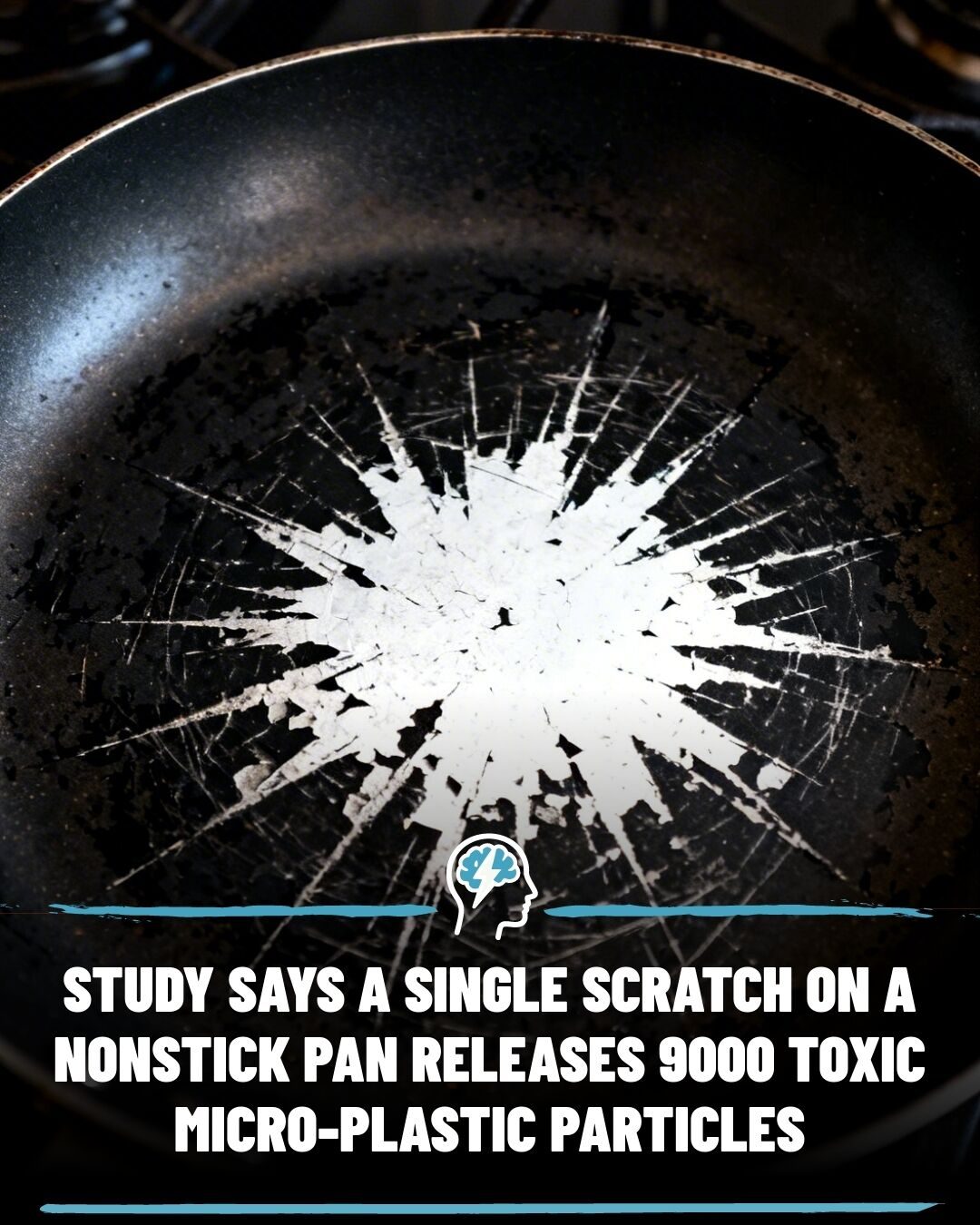
Nonstick Pan Microplastics
Nonstick pans are a staple in many kitchens, valued for their convenience and ease of use. However, recent research has raised concerns about the potential health risks associated with scratched nonstick pans. A single scratch on a nonstick pan can release a significant number of microplastic particles, which may contaminate the food you're cooking. Understanding the implications of this issue is crucial for making informed decisions about your cookware.
Why This Matters
The health concerns surrounding nonstick pans stem from the chemicals used in their production. Most nonstick pans are coated with polytetrafluoroethylene (PTFE), which contains per- and polyfluoroalkyl substances (PFAS). PFAS are often referred to as "forever chemicals" because they do not break down easily and can persist in the environment and the human body for extended periods. These chemicals have been linked to various health issues, including thyroid disease, liver disease, increased cholesterol levels, impaired immune response, asthma, lowered fertility, and high blood pressure during pregnancy. PFOA, a specific type of PFAS, has even been classified by the International Agency for Research on Cancer as a "possible carcinogen."
The Science Behind the Issue
Studies have shown that millions of tiny particles containing PFAS can be released from scratched nonstick surfaces under normal cooking conditions. A single scratch on a nonstick pan can release thousands of toxic microplastic particles. This concerning finding highlights the potential for significant contamination of food, especially when the pan is heated.
Understanding PFAS
PFAS are a group of man-made chemicals that have been used in various industries since the 1940s. They are resistant to heat, oil, grease, and water, making them ideal for nonstick cookware. However, this same resistance means they do not break down easily and can accumulate in the environment and the human body. PFAS have been detected in various food items, including meat, poultry, and fish, as well as in water supplies.
Health Impacts of PFAS
Exposure to PFAS has been associated with a range of health concerns. These include:
- Thyroid Disease: PFAS exposure can disrupt thyroid function, which is crucial for metabolism and overall health.
- Liver Disease: Elevated levels of PFAS have been linked to liver damage and other liver-related issues.
- Increased Cholesterol Levels: Studies have shown that PFAS exposure can increase cholesterol levels, which can lead to cardiac health issues.
- Impaired Immune Response: PFAS can weaken the immune system, making individuals more susceptible to infections and diseases.
- Asthma: Exposure to PFAS has been associated with an increased risk of asthma, particularly in children.
- Lowered Fertility: PFAS can impact reproductive health, leading to lowered fertility in both men and women.
- High Blood Pressure During Pregnancy: PFAS exposure has been linked to an increased risk of high blood pressure during pregnancy, which can have serious health implications for both the mother and the baby.
The Role of PTFE
PTFE, the nonstick coating found on many nonstick pans, uses PFAS in its production. Testing has found that 79% of nonstick cooking pans are coated with PTFE. When this coating becomes scratched or chipped, it can release PFAS into the food being cooked. This is why it is essential to inspect your nonstick pans regularly for any signs of damage.
Practical Tips
To minimize the potential health risks associated with nonstick pans, consider the following tips:
Inspect Your Pans
Regularly check your nonstick pans for any scratches, chips, or other signs of damage. If you notice any damage, it is best to replace the pan to avoid the risk of PFAS contamination.
Choose Safer Alternatives
If you are concerned about the potential health risks of nonstick pans, consider switching to safer alternatives. These include:
- Ceramic Cookware: Ceramic cookware is a nonstick alternative that does not use PFAS in its production. It is considered a safer option for cooking.
- Stainless Steel: Stainless steel pans are durable and do not contain PFAS. They may require a bit more effort to clean, but they are a healthier option.
- Cast Iron: Cast iron pans are another durable and PFAS-free option. They are great for searing and can last for many years with proper care.
- Glass Cookware: Glass cookware is non-reactive and does not contain PFAS. It is an excellent option for baking and cooking.
Take Extra Precautions
If you choose to continue using nonstick pans, take extra precautions to minimize the risk of PFAS exposure:
- Avoid Heating Empty Pans: Never heat an empty nonstick pan, as this can cause the coating to degrade and release PFAS.
- Use Low to Medium Heat: Cook at lower temperatures to reduce the risk of damaging the nonstick coating.
- Ventilate Your Kitchen: Use a range hood or open a window to ventilate your kitchen while cooking to reduce the concentration of any PFAS that may be released.
Important Takeaways
- Scratched nonstick pans can release toxic microplastic particles, including PFAS, into the food you're cooking.
- PFAS exposure has been linked to various health concerns, including thyroid disease, liver disease, and increased cholesterol levels.
- Regularly inspect your nonstick pans for any signs of damage and replace them if necessary.
- Consider switching to safer alternatives, such as ceramic, stainless steel, cast iron, or glass cookware.
- Take extra precautions when using nonstick pans, such as avoiding high temperatures and ensuring proper ventilation.
Conclusion
The potential health risks associated with scratched nonstick pans are a significant concern. By understanding the science behind PFAS and taking practical steps to minimize your exposure, you can make informed decisions about your cookware and support your overall wellbeing. Regularly inspect your nonstick pans, consider safer alternatives, and take extra precautions to ensure a healthier kitchen environment. Your future self may thank you.
Watch the Reel
Questions readers ask
What are the primary health concerns associated with using scratched nonstick pans?
The primary health concerns are linked to the release of microplastics and harmful chemicals, such as PTFE and PFAS, which can contaminate food and potentially lead to serious health issues. These chemicals are known to persist in the body and have been associated with various diseases. Nonstick pans can release a significant amount of particles into food when scratched, increasing the risk of chemical exposure.
What are PTFE and PFAS, and why are they dangerous?
PTFE (polytetrafluoroethylene) is a synthetic chemical used in nonstick pan coatings, and PFAS (per- and polyfluoroalkyl substances) are a group of chemicals used in various products, including nonstick cookware. They are often referred to as 'forever chemicals' because they do not break down in the environment or the human body. Exposure to these chemicals has been linked to numerous health issues, including hormonal imbalances and increased cancer risks.
How do scratches on nonstick pans affect food safety?
Scratches on nonstick pans can release microplastic particles and toxic chemicals into food. Research has shown that even a single scratch can lead to the emission of a substantial number of particles, which may then be ingested. This contamination can pose significant health risks, especially with prolonged use of damaged nonstick cookware.
What should I do if my nonstick pan is scratched?
If your nonstick pan is scratched, it is best to discontinue its use, especially for cooking. Consider replacing it with a safer alternative, such as stainless steel, cast iron, or ceramic cookware. Regularly inspect your nonstick pans for any signs of damage to prevent potential health risks.
Are there any safer alternatives to nonstick pans?
Yes, there are several safer alternatives to nonstick pans. Stainless steel, cast iron, and ceramic cookware are good options as they do not contain PTFE or PFAS. These materials are generally considered safer for cooking and are less likely to release harmful chemicals into food, even when scratched or damaged.
Can nonstick pan chemicals affect the environment?
Yes, the chemicals used in nonstick pans, particularly PFAS, can have a significant impact on the environment. When these chemicals are released from damaged or discarded pans, they can contaminate soil and water. This poses risks to both wildlife and human populations, as PFAS can bioaccumulate and persist in the environment for extended periods, leading to potential health and ecological consequences.
What are the potential health effects of long-term exposure to PFAS chemicals from nonstick pans?
Long-term exposure to PFAS chemicals from nonstick pans has been linked to a variety of health issues, including hormonal disruptions, immune system problems, and increased risks of certain cancers. These chemicals can accumulate in the body over time, potentially leading to more severe and persistent health problems. It is important to minimize exposure, especially for those who cook frequently.
Related deep dives
Similar reads based on topic and creator.



Recent articles
Fresh deep dives from the latest Reels we unpacked.




Comments
Be the first to comment.