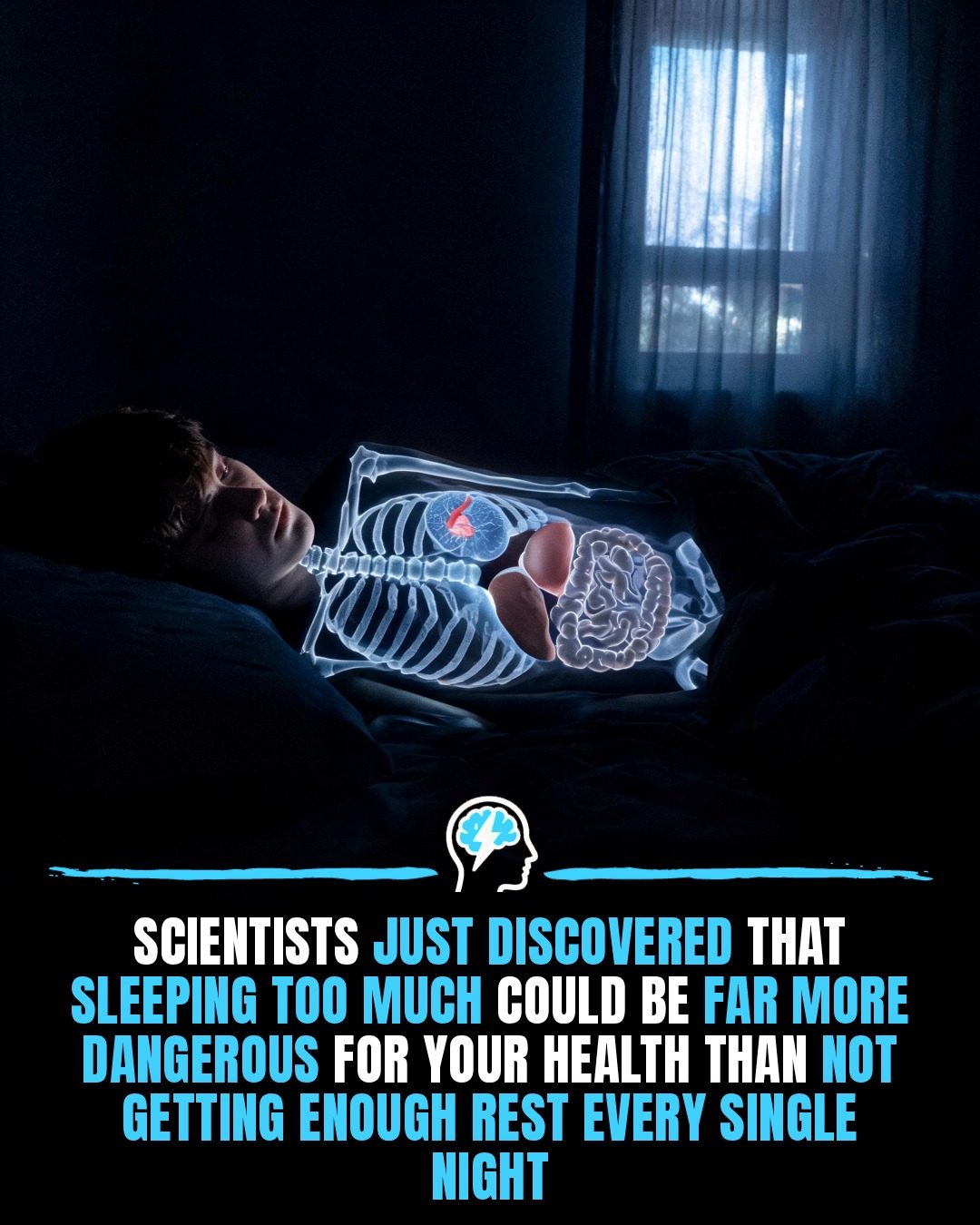
Sleep and Health
Sleep is essential for maintaining overall health and well-being. While many individuals focus on the risks of sleep deprivation, recent studies have revealed that oversleeping can pose significant health risks. This article dives into the science behind sleep duration and its impact on health, focusing on the potential dangers of sleeping too much.
Context / Why this matters
Understanding the optimal sleep duration is crucial for maintaining good health. Sleep influences various bodily functions, including metabolism, hormone regulation, and brain activity. Both too little and too much sleep can adversely affect these functions, leading to serious health issues. Recognizing the risks associated with oversleeping can help individuals make informed decisions about their sleep habits.
Main discussion
The Heart Connection
Oversleeping has been linked to an increased risk of cardiovascular events. People who sleep more than 10 hours a night face a 41% higher risk of major cardiovascular events compared to those who get 7-8 hours of sleep. Additionally, long sleepers have a 34% higher risk of death from any cause. These findings hold true even after adjusting for age, gender, and existing health conditions. This data underscores the importance of maintaining a healthy sleep duration to support heart health.
Long Sleep vs. Short Sleep
While sleeping less than 6 hours is also associated with health risks, research shows that the dangers of oversleeping are often more pronounced. When comparing the two groups, long sleepers tend to have worse outcomes for mortality and stroke risk. More sleep is not always better; there is a tipping point where excessive sleep can negatively impact recovery and overall health.
The Role of Underlying Conditions
Excessive sleep might not be the cause of health problems but rather a symptom of underlying conditions. Chronic inflammation, undiagnosed depression, and other health issues could be driving the need for extended sleep. For example, people who sleep excessively often have lower metabolic rates and higher levels of C-reactive protein, a marker of inflammation. Understanding these potential underlying conditions can help in addressing the root cause of oversleeping.
The Science Behind the Risks
Sleeping too much can affect various aspects of health. For instance, it is linked to lower metabolic rates, which can lead to issues like weight gain and obesity. Additionally, excessive sleep is associated with higher levels of C-reactive protein, a marker of inflammation in the body. This inflammation can contribute to a range of health problems, including cardiovascular disease and diabetes. Recognizing these connections can help manage the risks associated with oversleeping.
Practical tips
Finding the Sweet Spot
The optimal sleep duration for most adults is 7 to 8 hours per night. This amount of sleep allows the brain to clear toxins and the body to regulate hormones without tipping into excess. Consistency is key; maintaining a regular sleep schedule can help regulate the body's internal clock and promote better overall health.
Creating a Healthy Sleep Environment
To achieve optimal sleep, create a comfortable and conducive sleep environment. This includes using a supportive mattress, maintaining a cool room temperature, and minimizing noise and light. Additionally, establish a bedtime routine that includes relaxation techniques, such as reading or taking a warm bath, to signal to the body that it is time to sleep.
Managing Sleep Disorders
If you consistently struggle with sleep, it may be beneficial to consult a healthcare provider. Sleep disorders, such as insomnia or sleep apnea, can disrupt sleep patterns and lead to both short and long sleep durations. Addressing these underlying conditions can help improve sleep quality and duration.
Important takeaways
- People who sleep more than 10 hours a night face a significantly higher risk of major cardiovascular events and death from any cause.
- Long sleepers often have worse outcomes for mortality and stroke risk compared to those who sleep less than 6 hours.
- Excessive sleep might be a symptom of underlying conditions, such as chronic inflammation or undiagnosed depression.
- The optimal sleep duration for most adults is 7 to 8 hours per night, allowing the brain and body to function properly.
- Creating a healthy sleep environment and managing sleep disorders can help achieve and maintain optimal sleep duration.
Conclusion
Sleep is a crucial component of overall health, and understanding the risks associated with both insufficient and excessive sleep is essential. While many people focus on the dangers of sleep deprivation, recent research highlights the potential health risks of oversleeping. By recognizing the optimal sleep duration and addressing underlying conditions, individuals can take proactive steps to improve their sleep habits and maintain better health.
Watch the Reel
Questions readers ask
What are the primary health risks associated with oversleeping?
Oversleeping, or getting more than 10 hours of sleep per night, has been linked to several serious health issues. The primary risks include an increased likelihood of heart disease, stroke, and even a higher mortality risk. These dangers highlight the importance of maintaining a balanced sleep schedule.
How does oversleeping increase the risk of heart disease?
Oversleeping can increase the risk of heart disease by influencing various biological factors. It can contribute to inflammation, elevated blood sugar, and obesity, all of which are significant risk factors for heart disease. Proper sleep duration is essential for maintaining heart health and reducing these risks.
Can oversleeping be a symptom of other health issues?
Yes, oversleeping can often be a symptom of underlying health problems. Conditions such as depression, diabetes, and sleep disorders like sleep apnea can lead to oversleeping. If you find yourself sleeping more than 10 hours regularly, it’s important to consult a healthcare professional to rule out any potential health issues.
What are the long-term effects of oversleeping?
The long-term effects of oversleeping can be detrimental to your health. Chronic oversleeping can lead to metabolic disorders, cognitive decline, and a weakened immune system. It can also exacerbate existing health conditions, making it crucial to address sleep patterns for overall well-being.
Why is it important to avoid sleeping more than 10 hours a night?
Sleeping more than 10 hours a night can disrupt your body's natural rhythms and hormonal balances. This can lead to various health issues, including metabolic dysfunction and increased inflammation. Aiming for the recommended 7-9 hours of sleep per night can help maintain optimal health and reduce these risks.
How does oversleeping affect mental health?
Oversleeping can have a significant impact on mental health as well. It can lead to feelings of fatigue, irritability, and cognitive impairment. Oversleeping is also linked to conditions like depression and anxiety. Ensuring a balanced sleep schedule can support both physical and mental well-being.
What should I do if I consistently find myself oversleeping?
If you consistently find yourself oversleeping, it’s important to consult with a healthcare provider. They can help identify any underlying issues, such as sleep disorders or other health conditions, and provide guidance on maintaining a healthy sleep schedule. Addressing the root cause can significantly improve your overall health and well-being.
Related deep dives
Similar reads based on topic and creator.

Recent articles
Fresh deep dives from the latest Reels we unpacked.




Comments
Be the first to comment.