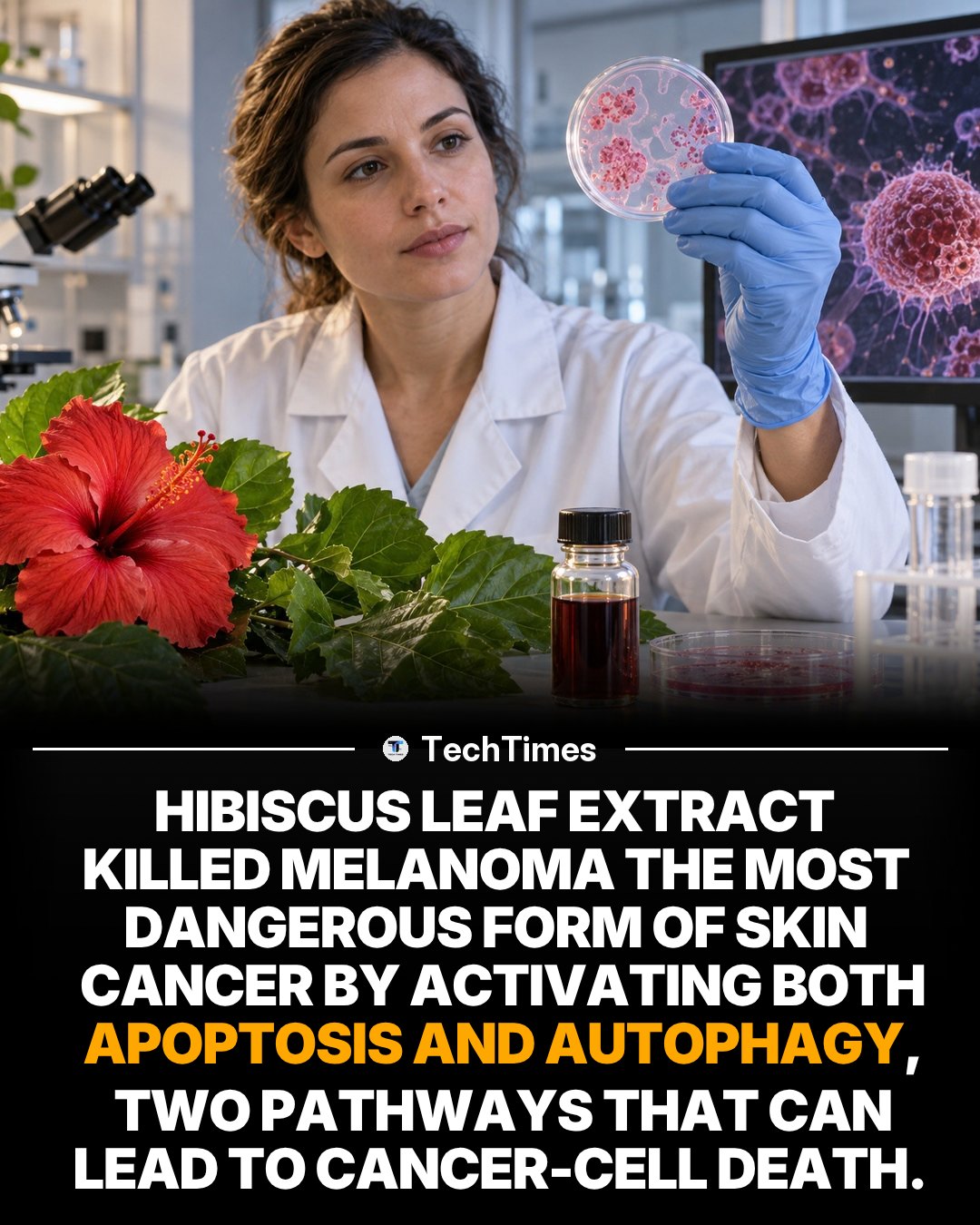
The hibiscus plant is growing in the lab, science is consulting the leaf's ability to slow human cancer. The study targets melanoma, a kind of skin cancer that's particularly deadly. The Hibiscus leaf extract is the first line of defense
The Power of Hibiscus Leaf Extract
Hibiscus leaf extract isn't your average herbal supplement. Laboratory equipment and experiments show it has notable medicinal value when it comes into contact with cancer cells. Its power lies in inducing apoptosis, a carefully programmed process of cell death and autophagy which results in the destruction of internal components in the cells. Scientists pinpointed the exact pathways involved in the destruction of the harmful cells. The extract is dark in color, most likely an increased intensity of the plant's natural hue. Apoptosis targets cancer cells and allows for their destruction without harming surrounding healthy cells. Autophagy, on the other hand, is the process of self-destruction of worn-out cells, where cancer cell structures break down and die. The extracts tested in the lab are not from the hibiscus flower — the parts veterinarians suggest feeding to animals with inflammation — but specifically these leaves. It produces a dark red extract which is then used for laboratory testing on melanoma. The research found that these extracts from the leaves of the hibiscus plant, engages these two pathways targeting the cancerous cells and effectively killing them.
The Science in Popular Culture
Test results backing the power of these extracts are a shift in how society perceives homeopathic treatments. When tested in Petri dishes filled with a red substance, hibiscus leaf extract effectively killed a high amount of cancer cells. The visual summary showcases a scientist examining these results, pointing to the potential of this extract. The revelation that familiar plants can transform into powerful weapons against cancer broadens the scope for herbal medicine. This plant, typically grown for its ornamental value, has been thrust into the spotlight due to these promising findings. The vision data highlights key elements of the ongoing research, including a hibiscus plant, a bottle of dark liquid extract, and a scientist in a lab coat meticulously examining petri dishes containing the red substance.
The Deployment
Mechanism of Action
The Extract’s Pathways — Instead of aiming for the bulk of cancer cells, like traditional chemotherapy, leaf extract hones in selectively on cells with active melanoma. The cancer cells' death pathways are activated and the harmful cells start to die. This precision means that, unlike the bulk cancer treatments that can cause unwanted side effects in surrounding tissues, leaf extract has a targeted effect. The leaf extract's powerful properties can lead to the destruction of the cancer cells, effectively reducing the volume of the disease.
The Research's Target
Melanoma Meets Its Match — Melanoma, a dangerous form of skin cancer, is often highly resistant to conventional treatments. It occurs when abnormal skin cells begin to grow uncontrolled. The extract targets these cells directly and actively seeks them out. The scientists believe the extract can prevent harmful cells from regenerating.
The Potential Beyond Melanoma
Other Cancers Not In The Lab Yet — This promising research could have broader implications for cancer treatment. The hibiscus leaf extract's mechanism of action suggests it might have therapeutic potential for other types of cancer. The dual action of inducing both apoptosis and autophagy opens up the possibility of multi-faceted treatments that could target different types of cancer. The scientists are still testing and developing the extracts, focusing on finding the most effective dosage. The leaves are collected and ground into a dark liquid for laboratory use on cancer.
Hibiscus Leaf Extract: The Practical Approach
Not everyone can perform lab experiments at home to mimic these results. But these treatments are still in development and not yet widely available to the public. The research points to consuming hibiscus leaves as a potential means of absorbing these powerful ingredients, but there are no definitive studies on the effectiveness or safety of this method. Keep in mind the extract is used in controlled laboratory conditions. People should not substitute home remedies for conventional treatment. If you’re curious about incorporating hibiscus into your health regimen, consult a healthcare provider first. Hibiscus Dietary Supplement: Check with your doctor before taking — This has not yet been classified as a dietary supplement for humans and should not be consumed without medical direction. The studies are still testing the ways in which the extract is effective and needs more research before being used in everyday medicine.
Where Research Leads Us
These findings, despite not yet being widely available, give hope to patients and researchers alike. The cultivation of the hibiscus plant as well as the extract's uses against melanoma is still growing. With further research, the potential of hibiscus leaf extract could be expanded to other forms of cancer treatment, offering new hope for patients and medical professionals. This ultimately emphasizes the idea that, even in its infancy, this research could lead to significant advances in cancer therapy. The culmination of research suggests one clear path forward: continuing to study the hibiscus leaf extract and unlocking its full potential in the fight against cancer.
Watch the Reel
Questions readers ask
What exactly is hibiscus leaf extract and how does it work against melanoma?
Hibiscus leaf extract is a dark red liquid derived from the leaves of the hibiscus plant. It works against melanoma by inducing two key processes: apoptosis, which is programmed cell death, and autophagy, which involves the self-destruction of worn-out cells. These processes target and destroy cancer cells while leaving healthy cells unharmed.
How does hibiscus leaf extract compare to traditional chemotherapy in treating melanoma?
Unlike traditional chemotherapy, which often affects both cancerous and healthy cells, causing unwanted side effects, hibiscus leaf extract is more precise. It specifically targets melanoma cells, activating their death pathways and reducing the overall volume of the disease without harming surrounding tissues.
Are there any specific pathways in cancer cells that hibiscus leaf extract targets?
Yes, the extract targets specific pathways involved in the destruction of cancer cells. It induces apoptosis and autophagy, which are programmed cell death and self-destruction processes respectively, leading to the breakdown and death of cancer cell structures.
Can hibiscus leaf extract be used as a standalone treatment for melanoma?
The article doesn't provide information on standalone usage, but it does highlight the extract's potential as a powerful weapon against melanoma. Further research and clinical trials are likely needed to determine if it can be used on its own or in conjunction with other treatments.
What are the practical implications of using hibiscus leaf extract in melanoma treatment?
The practical implications are significant. If proven effective in clinical trials, hibiscus leaf extract could offer a more targeted and less harmful treatment option for melanoma patients. It could potentially reduce side effects and improve the quality of life for those undergoing treatment.
Is the hibiscus leaf extract used in this research different from the extract made from hibiscus flowers?
Yes, the extract used in this research is specifically from the leaves of the hibiscus plant, not the flowers. The leaf extract produces a dark red liquid that is used for laboratory testing on melanoma, and it is different from the extracts that veterinarians suggest for animals with inflammation.
Are there any ongoing or planned clinical trials using hibiscus leaf extract for melanoma treatment?
The article doesn't mention any ongoing or planned clinical trials. It focuses on the promising results from lab tests, specifically the extract's ability to kill cancer cells in Petri dishes. For the latest updates, you might need to look for more recent research or announcements from the scientific community.
Related deep dives
Similar reads based on topic and creator.

Recent articles
Fresh deep dives from the latest Reels we unpacked.




Comments
Be the first to comment.