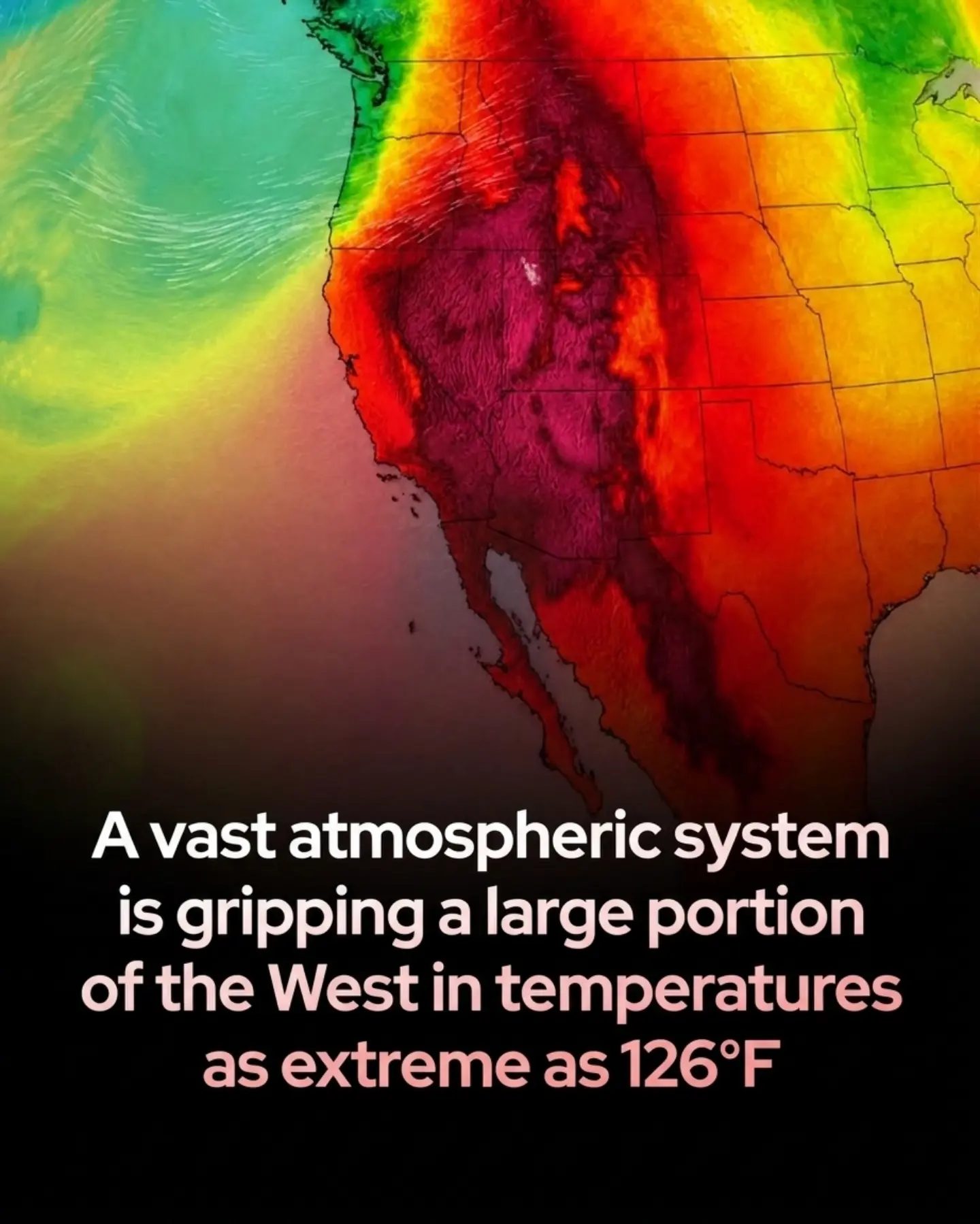
Extreme Temperatures in the West
The Western United States is under the grip of an exceptionally intense heat dome, bringing the region's highest temperatures of the summer. This vast atmospheric system is trapping hot air across a broad area, stretching from Southern California to the northern Rockies. Nearly 50 million people are under heat alerts, with record-breaking heat forecast in at least 12 states.
Why This Matters
Extreme heat events like this one are more than just discomfort; they pose a severe public health threat. High temperatures can be life-threatening, especially for those without adequate cooling and hydration. The prolonged nature of this event, with high overnight temperatures, means there will be little relief, preventing the body from recovering and increasing the risk of heat-related illnesses.
The Scope and Impact of the Heat Dome
Record-Breaking Temperatures
Temperatures are expected to reach unprecedented levels. Death Valley could see a staggering 126°F (52°C), while major cities like Phoenix, Las Vegas, and Tucson are forecast to exceed 110°F (43°C). Even northern cities such as Billings, Montana, and Salt Lake City are expected to approach or set new all-time August records, with forecasts of 106°F (41°C) and 104°F (40°C), respectively. These extreme temperatures are not just records; they are a stark indication of the intensity and reach of this heat dome.
Public Health Threats
Around 12 million people are in the highest risk category, which includes anyone without adequate cooling and hydration. This is not just a concern for vulnerable populations but for anyone caught in these extreme conditions. The lack of relief at night, when temperatures remain high, exacerbates the risk, as the body does not have a chance to recover from the daytime heat.
The Environmental Consequences
Wildfires and Drought
The extreme heat is likely to exacerbate wildfires, creating more dangerous conditions for firefighters and residents alike. Drought-stricken areas, such as the Colorado River Basin, including Lake Mead and Lake Powell, will experience accelerated water evaporation. These lakes are already at record low levels, and the intensified heat will only worsen the situation, impacting water supplies and ecosystems.
Climate Change Connection
This intensification of heat waves is a direct consequence of human-caused climate change. As global temperatures rise, heat waves become more frequent and severe. This dangerous pattern may persist, with only brief relief, as another period of extreme heat is forecast to begin around August 6. Understanding and addressing the root causes of climate change is crucial for mitigating these impacts in the future.
Practical Tips for Coping with Extreme Heat
Stay Hydrated
Proper hydration is essential during extreme heat events. Drink plenty of water, even if you do not feel thirsty. Avoid alcohol and caffeine, as they can contribute to dehydration.
Seek Cooling Spaces
If you do not have air conditioning at home, seek out public spaces like libraries, malls, or community centers that offer cooling. Stay indoors during the hottest part of the day, usually between 11 AM and 3 PM.
Monitor Weather Alerts
Stay informed about local weather alerts and follow the advice of local authorities. Heat alerts are in place for a reason, and taking them seriously can save lives.
Protect Vulnerable Populations
Check on elderly neighbors, family members, and those with young children who may be more susceptible to the effects of extreme heat. Ensure they have access to cooling and hydration.
Important Takeaways
- The current heat dome is an exceptionally intense atmospheric event that impacts a vast area of the Western United States.
- Temperatures are expected to reach record-breaking levels in multiple states, affecting millions of people.
- The severity and prolonged nature of the heat event pose significant public health threats and exacerbate environmental issues like wildfires and drought.
- Human-caused climate change is a significant factor in the intensification of these heat waves, and understanding this connection is crucial for addressing future events.
Conclusion
This extreme heat event underscores the urgency of addressing climate change and its impacts. By staying informed, taking precautions, and supporting vulnerable populations, communities can mitigate the risks associated with such events. As the forecast for another period of extreme heat looms, it is essential to remain vigilant and prepared.
Watch the Reel
Questions readers ask
What is a heat dome and why is it dangerous?
A heat dome is a weather pattern where a strong, high-pressure system traps hot air underneath it, leading to extreme temperatures. It's dangerous because it can cause record high temperatures, putting millions at risk. The lack of overnight cooling can also be hazardous as it prevents the body from recovering and increases the likelihood of heat-related illnesses.
Which areas are currently affected by the heat dome?
The current heat dome is affecting the Western United States, stretching from Southern California up to the Northern Rockies. Nearly 50 million people are under heat alerts due to this intense atmospheric system.
What are the primary public health risks associated with a heat dome?
The primary public health risks include dehydration, heat exhaustion, and heatstroke, which can be life-threatening. The risks are amplified for those without access to adequate cooling and hydration, as well as for vulnerable populations such as the elderly, young children, and those with pre-existing health conditions.
How can residents prepare for extreme heat events like this one?
Residents should stay hydrated by drinking plenty of water, avoid strenuous activities during peak heat hours, and seek cool indoor spaces. Using air conditioning if available, and checking on vulnerable neighbors and family members can also help mitigate the risks.
Why is the prolonged nature of this heat dome particularly concerning?
The prolonged nature of this heat dome means that there will be little relief from high temperatures, even at night. This lack of overnight cooling prevents the body from recuperating, increasing the risk of heat-related illnesses. It also puts additional strain on power grids as more people rely on air conditioning.
What should I do if I suspect someone is suffering from heatstroke?
If you suspect someone is suffering from heatstroke, immediately call emergency services. While waiting for help, move the person to a cooler place, help them cool down with damp cloths or a cool bath, and have them drink water if they are conscious. Do not give them anything to drink if they are unconscious or vomiting.
How can communities support each other during extreme heat events?
Communities can support each other by checking on neighbors, especially the elderly or those living alone. Sharing resources like cool spaces, fans, or air conditioners can also help. Additionally, community centers and public spaces can be opened up as cooling centers for those in need.
Related deep dives
Similar reads based on topic and creator.

Recent articles
Fresh deep dives from the latest Reels we unpacked.




Comments
Be the first to comment.