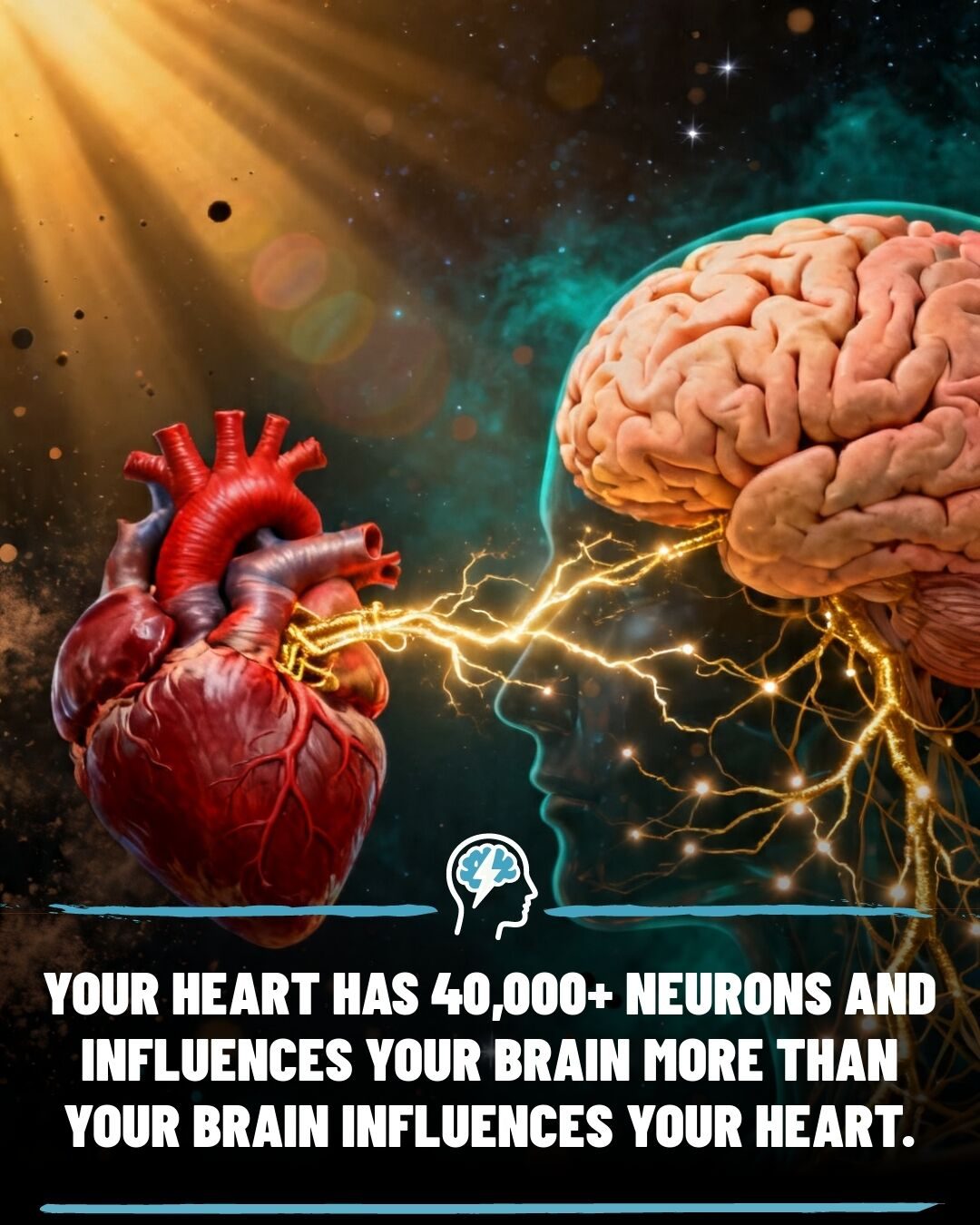
The Intrinsic Cardiac Nervous System: The Heart’s “Little Brain”
The heart is more than a muscular organ that pumps blood throughout the body. Embedded within its tissue lies a network of approximately 40,000 neurons, collectively known as the Intrinsic Cardiac Nervous System (ICNS) or the "little brain" of the heart. This discovery, pioneered by Dr. J. Andrew Armour in the early 1990s, has revolutionized our understanding of the complex relationship between the heart and the brain.
Why This Matters
The ICNS doesn’t merely receive commands from the brain; it processes information independently. This autonomous functioning means the heart isn’t just a passive responder to brain signals, but an active participant in the body's neural communication. Understanding this system can provide insights into how the heart influences various physiological and emotional responses, potentially opening doors to new medical treatments and therapies.
The Heart's Autonomic Functions
The Three Types of Neurons
The cardiac nervous system comprises three types of neurons:
- Afferent Neurons: These neurons detect local changes in the heart, such as mechanical and chemical alterations.
- Efferent Neurons: These adjust the contraction of the heart muscle in response to the information received from afferent neurons.
- Interneurons: These facilitate communication between afferent and efferent neurons.
Together, these neurons form organized clusters called ganglia, which can sense and respond to changes in the heart without waiting for instructions from the brain. This localized processing allows the heart to fine-tune its rate, rhythm, and force of contraction.
The Heart's Influence on the Brain
While the brain and heart maintain constant two-way communication through the vagus nerve and sympathetic pathways, research suggests that the heart actively participates in this conversation. The heart's influence on the brain can affect how the body responds to stress, emotions, and physical demands. This means that the heart doesn’t just pump blood; it plays a role in regulating emotional and physiological responses.
Practical Tips for Understanding and Enhancing Heart-Brain Communication
Stress Management
Understanding the heart-brain connection can help in managing stress. Techniques such as mindfulness, meditation, and deep breathing exercises can enhance communication between the heart and brain, promoting emotional well-being.
Physical Activity
Engaging in regular physical activity can strengthen the heart and improve its autonomic functioning. Activities like running, swimming, and yoga can help the heart better respond to stress and physical demands.
Healthy Lifestyle
Maintaining a healthy lifestyle, including a balanced diet and adequate sleep, supports the overall health of the heart and brain. This holistic approach can enhance the communication between these two vital organs, promoting better mental and physical health.
Important Takeaways
The Heart's Complexity
The heart is more than just a pump; it has its own neural network. This complexity means that the heart is capable of sophisticated neural processing, influencing various physiological and emotional responses.
The Role of the Vagus Nerve
The vagus nerve plays a crucial role in the communication between the heart and brain. Enhancing the function of the vagus nerve through activities like meditation and yoga can improve emotional regulation and stress response.
The Importance of Lifestyle Choices
Lifestyle choices, such as regular physical activity, a balanced diet, and stress management techniques, can significantly impact the heart's health and its communication with the brain. These choices can help maintain a healthy heart and mind.
Conclusion
The Intrinsic Cardiac Nervous System is a fascinating revelation that underscores the heart’s role in the body’s neural communication. Understanding this system can provide valuable insights into the complex relationship between the heart and brain, potentially leading to new treatments and therapies. By embracing lifestyle choices that support heart health, we can enhance the communication between these vital organs, promoting overall well-being.
Watch the Reel
Questions readers ask
What is the Intrinsic Cardiac Nervous System (ICNS)?
The Intrinsic Cardiac Nervous System (ICNS) is a network of about 40,000 neurons located within the heart's tissue, often referred to as the 'little brain' of the heart. It was first identified by Dr. J. Andrew Armour in the 1990s. This system allows the heart to process information and respond autonomously, independent of the brain.
How does the ICNS interact with the brain?
The ICNS does not merely receive and respond to commands from the brain. It can process information independently, allowing the heart to actively participate in the body's neural communication. This two-way communication between the heart and the brain influences both physiological and emotional responses.
What are the benefits of understanding the heart's intrinsic nervous system?
Understanding the ICNS can lead to advancements in medical treatments and therapies. By recognizing the heart's autonomous responses, researchers and medical professionals can develop targeted interventions for cardiovascular diseases and emotional health. It may even lead to new ways to understand and treat conditions like stress and anxiety.
How does the heart's neural network influence emotions?
The heart's neural network plays a significant role in emotional responses. The ICNS can influence the brain's activity, affecting how we perceive and react to emotional stimuli. This heart-brain connection is a key aspect of understanding the complex interplay between physical and emotional health.
What kind of research is being conducted on the heart-brain connection?
Research on the heart-brain connection focuses on the communication between the ICNS and the brain. Studies explore how the heart's intrinsic nervous system can influence emotional regulation, stress responses, and overall health. This research aims to uncover new pathways for therapeutic interventions.
Can the heart's 'little brain' function independently of the brain?
Yes, the heart's 'little brain' can function independently. The ICNS processes information and influences physiological and emotional responses without direct input from the brain. This autonomy highlights the heart's role as an active participant in the body's neural communication.
What are the key discoveries made by Dr. J. Andrew Armour?
Dr. J. Andrew Armour is known for pioneering the discovery of the Intrinsic Cardiac Nervous System. His research revealed that the heart has its own neural network, capable of processing information and responding autonomously. This discovery has significantly enhanced our understanding of the heart's role in the body's overall functioning.
Related deep dives
Similar reads based on topic and creator.


Recent articles
Fresh deep dives from the latest Reels we unpacked.




Comments
Be the first to comment.