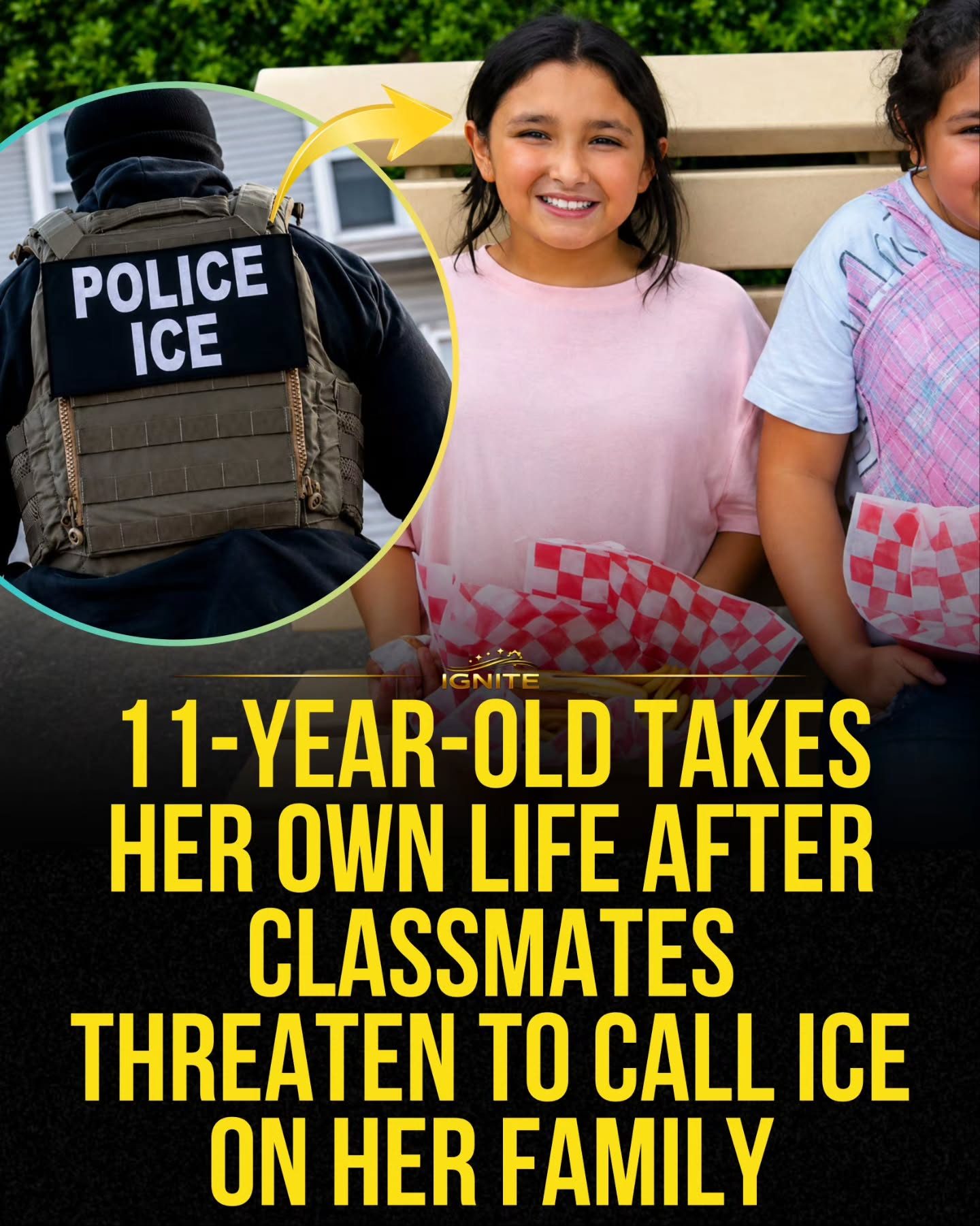
Tragic Incident of an 11-Year-Old's Death
The tragic case of an 11-year-old girl who took her own life after enduring bullying from her classmates has sparked outrage and deep concern. The incident, which involved threats to call ICE on her family, highlights the devastating impact of bullying and the complex issues surrounding immigration enforcement and school safety.
Why This Matters
This tragic event sheds light on several critical issues that affect communities across the country. Bullying, particularly when it involves targeting vulnerable aspects of a person's background, can have severe and lasting consequences. The mention of ICE (U.S. Immigration and Customs Enforcement) in this context raises questions about how immigration policies and enforcement tactics intersect with school environments and the mental health of students.
The Role of Bullying
Bullying is a pervasive problem in schools, and its effects can be far-reaching. In this case, the bullying was not only emotionally distressing but also involved threats to the girl's family, amplifying her feelings of fear and helplessness. It is crucial to recognize that bullying can go beyond physical or verbal harassment and can include threats that target a person's family, community, or cultural background.
The Impact of Immigration Enforcement
The involvement of ICE in this tragic story raises important questions about how immigration enforcement affects children and families. In many immigrant families, the threat of deportation is a constant fear, and this fear can be exacerbated by bullying and harassment. The use of ICE threats by her classmates against the girl indicates how deeply these fears can be embedded within communities and schools.
Main Discussion
Bullying and Mental Health
Bullying can have profound effects on a child's mental health. The emotional and psychological trauma caused by continuous bullying can lead to severe mental health issues. This case underscores the critical need for schools and communities to address mental health issues among students, particularly those who may be experiencing bullying or other forms of harassment.
School Safety and Policies
School safety policies are designed to protect students from harm, but they must also address the complex issues that can arise within school environments. This incident highlights the need for comprehensive policies that address bullying, mental health, and the unique challenges faced by immigrant families. Schools must be equipped to handle these issues effectively and provide support to students who may be at risk.
Community Response
The response of the community to this tragic event has been one of shock and grief. The community has come together to support the girl's family and to demand justice for the bullying that led to her death. This support is crucial in helping the family cope with their loss and ensuring that the memory of the girl lives on in positive ways. Unfortunately, the lack of comments in this story shows how difficult this topic is to discuss.
Legal and Ethical Considerations
The legal and ethical considerations surrounding this case are complex. The threats made by the girl's classmates to call ICE on her family raise serious ethical questions about the use of immigration enforcement as a tool for bullying and harassment. It also raises legal questions about the responsibility of schools and communities in protecting students from such threats.
Practical Tips
For Parents
- Open Communication: Encourage open communication with your children about their experiences at school. Let them know that they can come to you with any problems or concerns they may have.
- Monitor Behavior: Pay close attention to any changes in your child's behavior that may indicate they are being bullied. This could include withdrawal, anxiety, or sudden changes in their academic performance.
- School Involvement: Stay involved in your child's school activities and communicate regularly with their teachers and school administrators. This can help you stay informed about any potential issues your child may be facing.
For Schools
- Bullying Prevention Programs: Implement comprehensive bullying prevention programs that address various forms of harassment, including those that target a student's immigration status or cultural background.
- Counseling Services: Provide access to mental health counseling services for students who may be experiencing bullying or other forms of trauma. Ensure that these services are available to all students, including those from immigrant backgrounds.
- School Policies: Develop and enforce clear policies that address bullying, harassment, and threats involving immigration enforcement. These policies should be regularly reviewed and updated to ensure they are effective and relevant.
For Communities
- Support Systems: Create support systems for families who may be experiencing bullying or harassment. This can include community organizations, support groups, and other resources that can provide assistance and guidance.
- Awareness Campaigns: Launch awareness campaigns to educate the community about the harmful effects of bullying, particularly when it involves threats to call ICE on a family. These campaigns can help raise awareness and promote a culture of respect and inclusion.
- Advocacy: Advocate for policies that protect the rights and well-being of immigrant families. This can include advocating for comprehensive immigration reform, as well as policies that address bullying and harassment in schools and communities.
Important Takeaways
This tragic incident serves as a stark reminder of the devastating consequences that can result from bullying and harassment. It underscores the need for comprehensive policies, supportive communities, and effective interventions to address these issues. By taking proactive steps to address bullying and provide support to families, we can help prevent such tragedies in the future.
Conclusion
The tragic death of an 11-year-old girl, who took her own life after enduring bullying from her classmates, is a poignant reminder of the urgent need to address bullying, mental health, and the complex issues surrounding immigration enforcement. This case highlights the importance of open communication, effective policies, and supportive communities in protecting the well-being of our children. By working together, we can create a safer and more inclusive environment for all students, regardless of their background.
Watch the Reel
Questions readers ask
What factors contributed to the 11-year-old girl taking her own life?
The tragic incident was primarily driven by severe bullying at school, which included threats to call ICE on her family. This targeted harassment exacerbated her emotional distress, leading to this devastating outcome.
How does bullying impact a child's mental health?
Bullying can have profound effects on a child's mental health, including increased anxiety, depression, and even thoughts of suicide. The emotional trauma can be long-lasting, affecting a child’s overall well-being and development.
What role do immigration policies play in school bullying?
Immigration policies, when mentioned in bullying, can escalate the emotional and psychological harm to children. For instance, threats to call ICE on a child's family can exacerbate feelings of fear, insecurity, and helplessness, leading to severe mental health crises.
What are some signs that a child might be experiencing severe bullying?
Signs of severe bullying can include sudden changes in behavior, such as increased isolation, a drop in academic performance, physical injuries, and emotional outbursts. Children may also exhibit signs of depression, anxiety, or express suicidal thoughts.
What can schools do to prevent bullying related to immigration status?
Schools can implement anti-bullying programs that specifically address issues related to immigration status. These programs should include clear guidelines for handling reports of bullying, support for affected students, and training for staff on recognizing and responding to bullying.
How can parents and guardians support their children in dealing with bullying?
Parents and guardians can support their children by maintaining open communication, encouraging them to share their experiences, and providing emotional support. They should also work closely with school personnel to address and mitigate the bullying, ensuring their child feels safe and supported.
What resources are available for preventing child suicide related to bullying?
Resources include mental health services, support groups, and crisis hotlines. Organizations like the National Suicide Prevention Lifeline (1-800-273-TALK) offer immediate help and guidance. Schools can also provide on-site counseling and referrals to professional mental health providers.
Related deep dives
Similar reads based on topic and creator.




Recent articles
Fresh deep dives from the latest Reels we unpacked.




Comments
Be the first to comment.