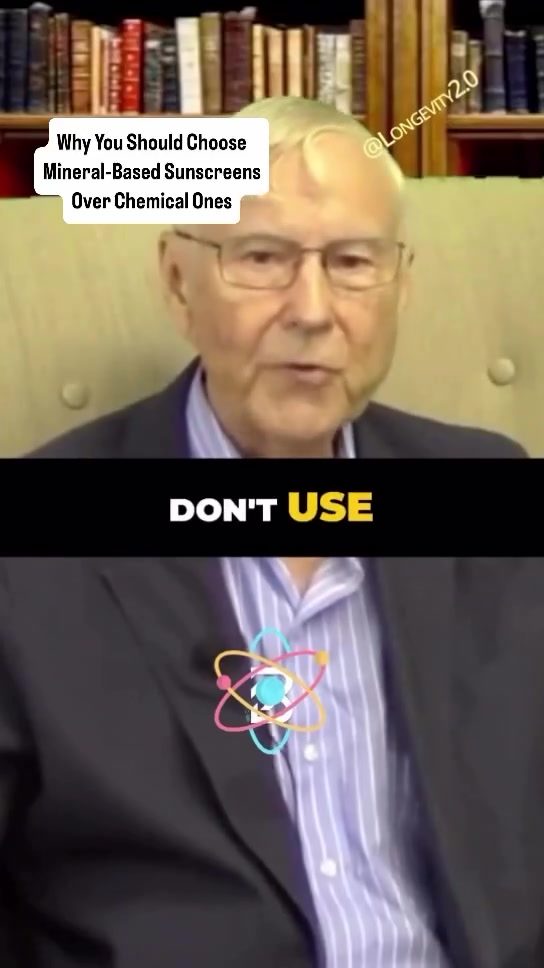
Mineral-Based Sunscreens: A Safer Alternative to Chemical Sunscreens
Millions of people apply sunscreen daily, thinking they are protecting their skin from harmful UV rays. However, a closer look at the ingredients in many popular sunscreens reveals potential health concerns. This is especially true for chemical sunscreens, which have been shown to penetrate the bloodstream and potentially disrupt the body's metabolic processes.
Understanding the Issue
In May 2019, the FDA issued a report indicating that commonly used sunscreen chemicals, such as oxybenzone, can enter the bloodstream in just one day, surpassing FDA safety standards. This finding is significant because it suggests that the chemicals in these sunscreens are not merely staying on the skin's surface but are being absorbed into the body. This absorption can have serious implications for overall health.
The chemicals in chemical sunscreens are designed to absorb UV rays, but this process can also interfere with the body's complex metabolic machinery. The liver and kidneys, which are responsible for processing and eliminating toxins, can become overloaded. This increased burden can lead to various health issues, including liver and kidney damage, as well as other systemic problems.
The Rise in Sunscreen Sales and Skin Cancer Rates
Over the past 30 years, sunscreen sales have skyrocketed, increasing by 38 times. Despite this surge in usage, the incidence of the most dangerous type of skin cancer, melanoma, has doubled since 1982. This correlation raises questions about the efficacy and safety of chemical sunscreens. While many people rely on sunscreen for protection, the potential health risks associated with these products cannot be ignored.
Mineral-Based Sunscreens: A Better Choice
The solution to these concerns is mineral-based sunscreens. Unlike chemical sunscreens, which absorb UV rays, mineral-based sunscreens use natural ingredients like zinc oxide and titanium dioxide to reflect the sun's rays away from the skin. This reflection prevents UV rays from penetrating the skin, thereby reducing the risk of skin damage and potential health issues.
Mineral-based sunscreens are generally considered safer because they do not penetrate the skin as deeply as chemical sunscreens. This means they are less likely to disrupt the body's metabolic processes or burden the liver and kidneys. Additionally, mineral-based sunscreens are effective at protecting against both UVA and UVB rays, offering broad-spectrum protection.
Practical Tips for Choosing a Safer Sunscreen
When selecting a sunscreen, it's essential to look for products that are labeled as "mineral-based" or "mineral." Key ingredients to look for include zinc oxide and titanium dioxide. These ingredients are known for their ability to reflect UV rays and provide effective sun protection without the potential health risks associated with chemical sunscreens.
To ensure you are using a safe and effective sunscreen, consider the following tips:
- Check the Label: Look for sunscreens labeled as "mineral-based" or "mineral." Avoid products with ingredients like oxybenzone, avobenzone, and octinoxate, as these are commonly found in chemical sunscreens.
- Avoid Sensitive Areas: Apply sunscreen generously to all exposed areas of the skin, but avoid applying it to sensitive areas such as the eyes, mouth, and mucous membranes.
- Reapply Regularly: Reapply sunscreen every two hours, or more frequently if you are sweating or swimming. Even mineral-based sunscreens need to be reapplied to maintain their protective properties.
- Choose the Right SPF: Select a sunscreen with an SPF (Sun Protection Factor) of at least 30. Higher SPF values provide more protection, but it's essential to choose a level that suits your skin type and the intensity of sun exposure.
- Consider Skin Sensitivity: If you have sensitive skin, opt for a mineral-based sunscreen specifically formulated for sensitive skin. These products are less likely to cause irritation and are gentler on the skin.
Important Takeaways
- Health Concerns: Chemical sunscreens can penetrate the bloodstream and disrupt the body's metabolic processes, potentially leading to health issues.
- Safety Standards: The FDA has issued reports indicating that some sunscreen chemicals exceed safety standards when absorbed into the bloodstream.
- Mineral-Based Sunscreens: Mineral-based sunscreens use natural ingredients like zinc oxide and titanium dioxide to reflect UV rays, offering a safer alternative to chemical sunscreens.
- Efficacy: Mineral-based sunscreens provide broad-spectrum protection against both UVA and UVB rays, making them an effective choice for sun protection.
Conclusion
The choice between mineral-based and chemical sunscreens is an essential consideration for anyone looking to protect their skin from the sun's harmful rays. While chemical sunscreens have been a popular choice for many years, recent findings about their potential health risks have raised concerns. Mineral-based sunscreens, on the other hand, offer a safer and equally effective alternative. By understanding the differences between these two types of sunscreens and making an informed choice, you can protect your skin while minimizing potential health risks. It’s time to rethink the way we protect our skin and opt for mineral-based sunscreens for a healthier, safer option.
Watch the Reel
Questions readers ask
What are the primary health concerns associated with chemical sunscreens?
Chemical sunscreens are linked to health concerns due to their ability to absorb into the bloodstream. This can potentially disrupt metabolic processes and may have hormonal effects. Some chemicals like oxybenzone have been shown to exceed FDA safety standards in bloodstream penetration.
What are the main differences between chemical sunscreens and mineral sunscreens?
Chemical sunscreens use ingredients like oxybenzone and avobenzone to absorb UV rays. In contrast, mineral sunscreens use natural minerals like zinc oxide and titanium dioxide to reflect and scatter UV rays. Mineral sunscreens are less likely to be absorbed into the bloodstream, offering a safer alternative.
Why did the FDA issue a report on sunscreen chemicals in 2019?
The FDA issued a report in 2019 to highlight the findings that common sunscreen chemicals, such as oxybenzone, can enter the bloodstream at levels exceeding the FDA's safety thresholds. This raised concerns about the potential health impacts of these chemicals.
What are some of the best mineral sunscreen options for daily use?
Some of the best mineral sunscreen options include those with high concentrations of zinc oxide and titanium dioxide. These include brands like Badger, ThinkBaby, and Neutrogena's Pure & Free line. Look for products with broad-spectrum coverage and SPF 30 or higher for optimal UV protection.
How can I choose the safest sunscreen for my family?
To choose the safest sunscreen, opt for mineral-based products containing zinc oxide and titanium dioxide. Avoid sunscreens with oxybenzone, avobenzone, and other potentially harmful chemicals. Check the label for 'non-nano' and 'reef-safe' certifications to ensure the product is free from harmful nanoparticles and environmentally friendly.
Can mineral sunscreens effectively prevent melanoma?
Mineral sunscreens can effectively protect against the UV rays that contribute to melanoma by reflecting and scattering both UVA and UVB rays. By protecting the skin from UV damage, mineral sunscreens can significantly reduce the risk of melanoma and other skin cancers.
What steps can I take to enhance my healthy skincare routine beyond sunscreen?
In addition to using a mineral sunscreen, adopt a comprehensive healthy skincare routine by limiting sun exposure during peak hours, wearing protective clothing, and using wide-brimmed hats. Regularly check your skin for any changes or abnormalities, and consult a healthcare provider if you notice any concerns.
Recent articles
Fresh deep dives from the latest Reels we unpacked.




Comments
Be the first to comment.