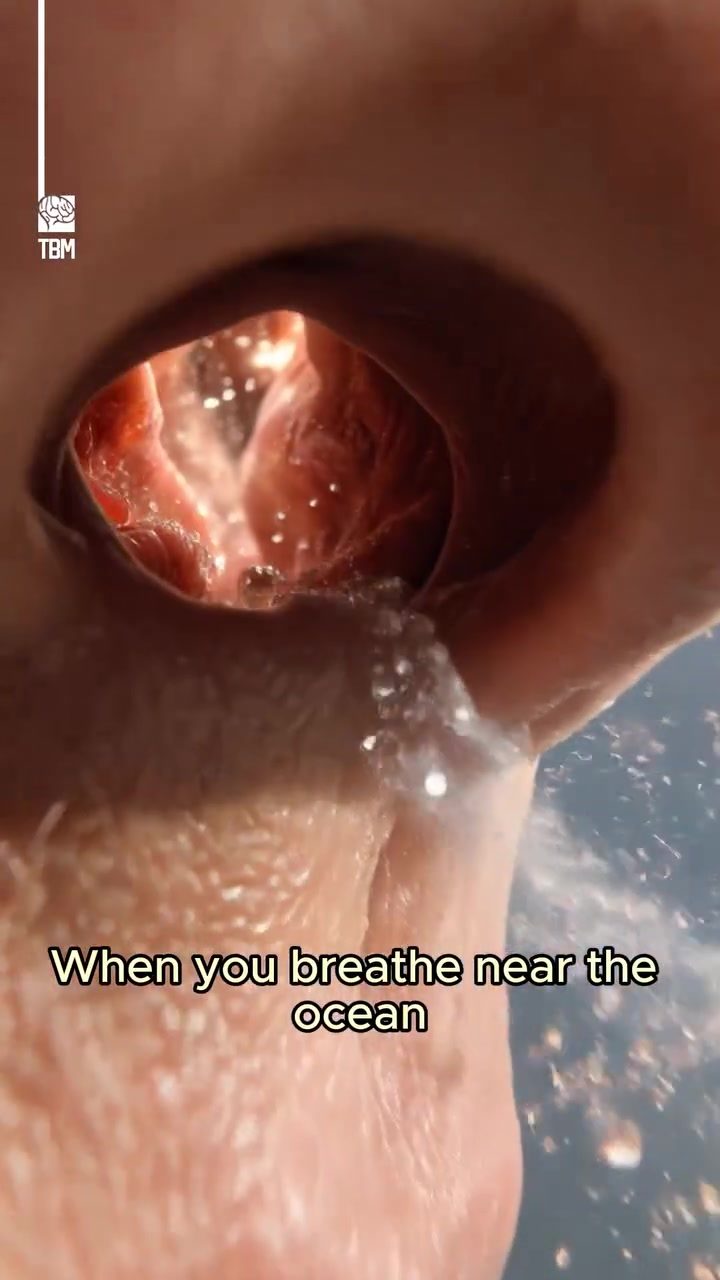
Breathing Sea Air Affects Your Health
Breathing in the salty sea air can have more benefits than just a pleasant scent. The air near the ocean is filled with tiny saltwater particles that can positively affect your respiratory system, stress levels, and overall well-being. Let's delve into the science behind these benefits and explore how a simple walk by the ocean can impact your health.
Why This Matters
Understanding the benefits of sea air can influence your choices about where to spend your time, especially if you have respiratory issues or are looking for ways to reduce stress. The connection between sea air, lung health, and overall well-being is worth exploring for anyone interested in improving their quality of life.
Main Discussion
The Benefits of Sea Air on the Respiratory System
When you walk by the ocean, you're inhaling tiny saltwater particles suspended in the air. These microscopic droplets can help moisturize the respiratory system, making it easier to clear mucus from the airways. This effect can be particularly beneficial for those with respiratory conditions like asthma or chronic obstructive pulmonary disease (COPD).
The sea air is also typically lower in pollution than urban air, reducing exposure to particles that can irritate the lungs. Lower pollution levels can help alleviate symptoms of respiratory issues and improve lung function. The combination of moisturizing the respiratory system and reducing exposure to irritants makes sea air a natural remedy for lung health.
The Impact of Sea Air on Stress Levels
Ocean environments are known for their calming effects, which can significantly lower stress levels. Reduced stress can benefit heart health, sleep quality, and immune function. The relaxing atmosphere of the beach encourages physical activity and mental relaxation, which can enhance overall well-being and reduce stress-related health issues.
The Role of Sunlight Exposure
Sunlight exposure is another significant benefit of spending time near the ocean. The increased sunlight helps the body produce vitamin D, a crucial nutrient that supports healthy bones, muscles, and immunity. Vitamin D deficiency can lead to various health issues, including weakened bones and a compromised immune system. By increasing your sunlight exposure, you can naturally boost your vitamin D levels and support overall health.
Extended Health Benefits
The benefits of sea air extend beyond the respiratory and cardiovascular systems. The positive effects on stress levels, immune function, and vitamin D production can support overall health. Regular exposure to sea air and ocean environments can contribute to a healthier, more balanced lifestyle.
Practical Tips
Maximize the Benefits of Sea Air
To make the most of the benefits of sea air, aim to spend at least 30 minutes by the ocean each day. This can be during a morning walk, a midday break, or an evening stroll. If you can't get to the beach, consider taking a trip to the ocean regularly or even visiting a coastal park. Every bit of time spent in a sea-air environment can accumulate to long-term benefits.
Incorporate Physical Activity
Engage in physical activities like walking, swimming, or beach yoga to enhance the benefits of sea air. Physical activity boosts the positive effects on your cardiovascular health, strengthens your immune system, and improves your overall mood.
Relax and Rejuvenate
Take time to relax and unwind in the ocean environment. Deep breathing exercises, meditation, or simply sitting and enjoying the atmosphere can help lower your stress levels. Balance your physical activities with relaxation to maximize the calming effects of the ocean.
Important Takeaways
- Respiratory Health: Sea air can help moisturize the respiratory system and reduce exposure to irritants, benefiting those with respiratory conditions.
- Stress Reduction: The calming effects of the ocean can lower stress levels, improving heart health, sleep quality, and immune function.
- Vitamin D Production: Increased sunlight exposure near the ocean helps the body produce vitamin D, supporting bone health, muscle function, and immunity.
- Overall Well-being: Regular exposure to sea air can contribute to a healthier, more balanced lifestyle.
Conclusion
The simple act of breathing in sea air can have profound effects on your health. From improving respiratory function to reducing stress levels and boosting vitamin D production, the benefits of sea air are numerous. By incorporating ocean environments into your routine, you can support your overall well-being and enjoy a healthier, more balanced life.
Watch the Reel
Questions readers ask
How does breathing sea air benefit the respiratory system?
Breathing sea air can help clear airways and reduce inflammation, making it beneficial for those with respiratory issues. The microscopic saltwater particles in sea air can act as a natural expectorant, loosening mucus and phlegm, and improving lung function.
Can breathing sea air help reduce stress levels?
Yes, sea air can promote relaxation and reduce stress. The scent of the ocean and the negative ions present in sea air can have a calming effect on the mind, helping to lower stress levels and improve overall mental well-being.
Is sea air beneficial for those with lung conditions?
Sea air can be particularly beneficial for those with lung conditions. The saltwater particles in sea air can help clear airways and reduce inflammation, making it easier to breathe and improving overall lung function. However, it is always best to consult with a healthcare provider before using sea air as a therapeutic method.
How can I maximize the benefits of breathing sea air?
To maximize the benefits, spend time in areas with clean sea air, away from pollution. Deep breathing exercises can help you inhale more of the beneficial particles. Consider activities like walking along the shore or engaging in beach yoga to enhance your experience.
Is sea air near urban coastal areas as beneficial as in remote coastal areas?
Sea air in urban coastal areas may have more pollution compared to remote coastal areas. While you can still gain benefits, the effects may be reduced. For optimal benefits, consider visiting less polluted coastal areas where the air is cleaner and the sea air is less contaminated.
What are the negative ions in sea air and their effects on well-being?
Negative ions are tiny particles present in sea air that can positively impact your well-being. They are created by the ocean waves and can help to reduce stress, improve mood, and boost overall well-being. Inhaling these negative ions can have a therapeutic effect, promoting a sense of relaxation and tranquility.
How does sea air compare to regular air for lung health?
Sea air generally has a clearer, more humidified quality. This means it can be more beneficial for lung health. Regular air, especially in urban areas, may contain more pollutants and allergens. Sea air's microscopic saltwater particles can help clear airways and reduce inflammation, making it a great choice for improving lung function.
Related deep dives
Similar reads based on topic and creator.




Recent articles
Fresh deep dives from the latest Reels we unpacked.




Comments
Be the first to comment.