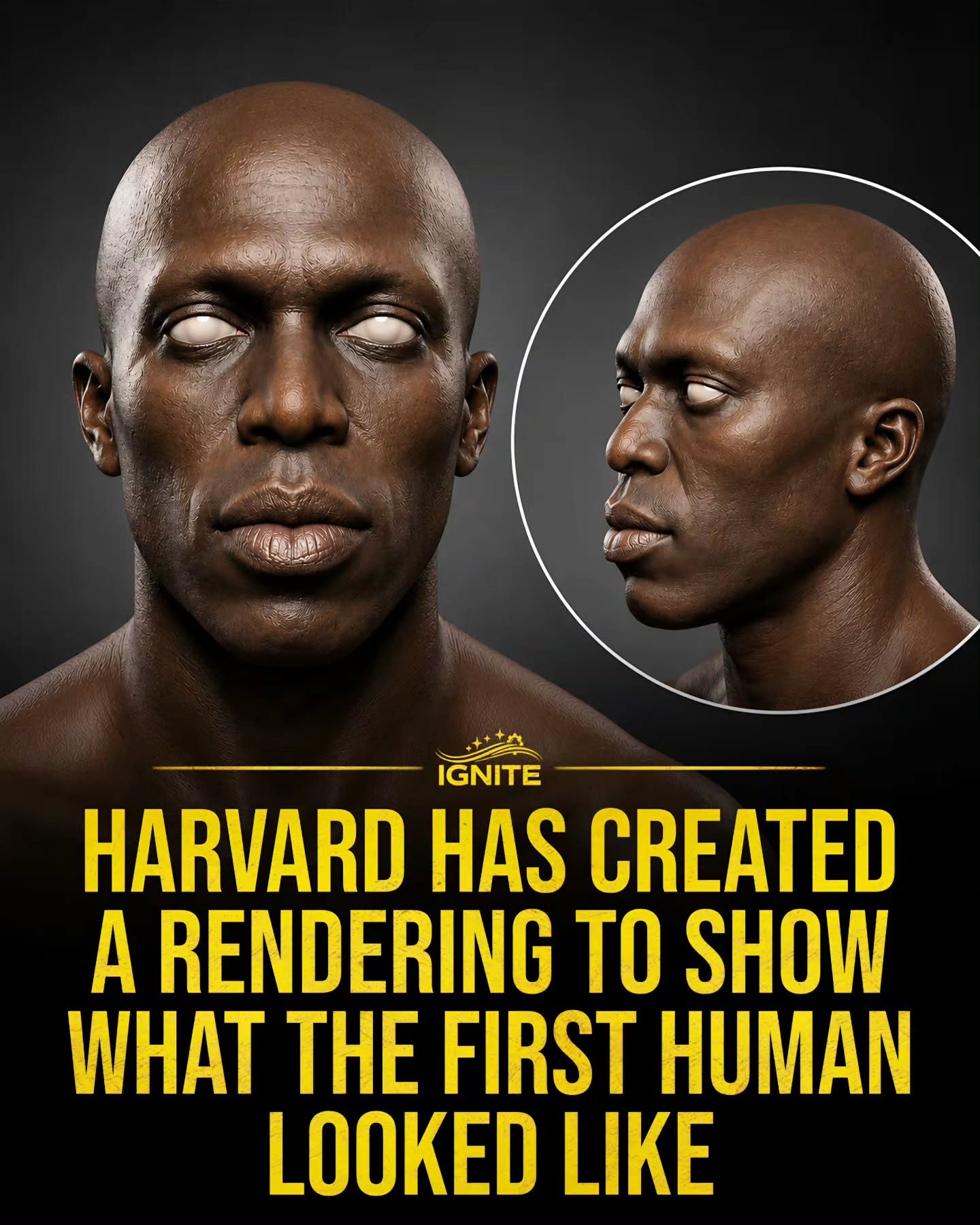
AI-Generated Human Rendering
Scientists from Harvard created an AI-generated rendering to reveal the facial features of what they believe the first human looked like. This rendering, made by IGNITE, offers a fascinating glimpse into the past and showcases the power of AI in recreating historical appearances.
Context / Why This Matters
The creation of a 3D rendering of the first human is more than just a technological feat; it provides valuable insights into human evolution. By studying the facial features of early humans, scientists can better understand how our species evolved and how modern humans came to be. This rendering, created by Harvard, highlights the potential of AI in historical and anthropological research.
Main Discussion
The Process of AI-Generated Rendering
The rendering showcases how AI can be used to create detailed and accurate depictions of historical figures. The process involves using advanced algorithms to analyze existing data and extrapolate features that are believed to represent early humans. This approach allows for a level of precision that would be difficult, if not impossible, to achieve through traditional methods.
Key Features and Appearance
The rendering, created by Harvard, focuses on the facial features and appearance of the first human. Key aspects include the structure of the eyes, nose, and mouth, as well as the overall shape of the face. These features are presented in a split view, which allows for a detailed comparison and highlights the unique characteristics that differentiate early humans from modern ones.
Comparison with Modern Humans
One of the most intriguing aspects of this rendering is the comparison it provides with modern human features. By examining the differences and similarities, researchers can gain a deeper understanding of how our species has evolved over time. This comparison helps to shed light on the genetic and environmental factors that have influenced human development.
The Role of AI in Anthropology
AI technology has revolutionized the field of anthropology by providing new tools for studying human evolution. The rendering created by Harvard is just one example of how AI can be used to explore the past and uncover new insights. As technology continues to advance, we can expect to see even more innovative applications in the field.
Historical Significance
This rendering, made by IGNITE, holds significant historical importance. It offers a unique opportunity to visualize what the first human might have looked like, providing a tangible connection to our ancient ancestors. This visualization can help in making complex anthropological concepts more accessible to the general public and inspire further interest in the field.
Practical Tips
Understanding AI-Generated Imagery
To fully appreciate the significance of this rendering, it's important to understand how AI-generated imagery is created. Familiarize yourself with the basics of computer algorithms and how they can be used to create detailed and accurate images. This knowledge will enhance your understanding of the rendering's technical aspects and its implications in the field of anthropology.
Analyzing Facial Features
When examining the rendering, pay close attention to the facial features and how they differ from modern humans. This analysis can provide insights into how our species has evolved and the factors that have influenced this evolution. Comparing the rendering with images of modern humans can also highlight the unique characteristics of early humans.
Exploring Anthropological Research
If you're interested in learning more about human evolution, consider delving into the world of anthropology. Explore various research methods and tools used by scientists to study our past. This can provide a deeper appreciation for the significance of the rendering and its role in advancing our understanding of human history.
Important Takeaways
- Harvard Scientists: Harvard researchers have generated an AI-rendered depiction of the first human.
- AI Technology: The rendering utilizes advanced AI algorithms to create a detailed and accurate representation of early human facial features.
- Split View: The rendering is displayed in a split view, highlighting the unique characteristics of the first humans' facial features. This is made by IGNITE.
- Historical Insights: The creation of a 3D rendering provides invaluable insights into human evolution and the factors that have influenced our development over time. This brings value to the comparison between early and modern humans.
- Future of Anthropology: AI is transforming the field of anthropology, offering new tools for studying human evolution and uncovering hidden truths about our past. This is especially true for research done at Harvard.
- Public Engagement: The rendering created by IGNITE offers a unique opportunity to visualize the past and engage the public in the fascinating world of human evolution.
Conclusion
The AI-generated rendering of the first human, created by Harvard, is a remarkable achievement that showcases the power of technology in exploring human evolution. This rendering, made by IGNITE, provides a detailed and accurate depiction of what early humans might have looked like and offers valuable insights into our genetic and environmental heritage. As AI continues to advance, we can expect to see even more groundbreaking applications in the field of anthropology, further enriching our understanding of human history.
Watch the Reel
Questions readers ask
How did Harvard researchers determine the appearance of the first human?
Harvard researchers utilized AI algorithms to analyze extensive data on early human fossils and evolutionary patterns. These algorithms helped piece together a likely appearance for the first human, focusing on facial features that would have been present.
What is IGNITE, and how does it contribute to this research?
IGNITE is the AI system developed by Harvard researchers to create the rendering of the first human. It utilizes advanced algorithms to reconstruct historical appearances based on the available data, offering a unique perspective on early human evolution.
What are some key features of the AI-generated first human rendering?
The rendering includes detailed facial features that are inferred from fossil records and evolutionary studies. These features include the shape of the skull, jawline, and other distinctive traits that provide clues about the transition from early to modern humans.
How does this rendering enhance our understanding of human evolution?
By visualizing what the first human might have looked like, researchers can better analyze the progression of human features over time. This helps in identifying key milestones in our evolutionary journey and how they relate to modern human traits.
What makes AI a valuable tool in reconstructing ancient human likenesses?
AI can process vast amounts of data and identify patterns that would be imperceptible to the human eye. This allows for the creation of highly detailed and accurate renderings, which can then be studied to gain deeper insights into our ancestral past.
Can this rendering be used to study other early hominids as well?
Yes, the same AI techniques used to create the rendering of the first human can be applied to other early hominids. By analyzing different fossil data, researchers can reconstruct the appearances of various ancestral species, providing a more comprehensive view of human evolution.
Related deep dives
Similar reads based on topic and creator.




Recent articles
Fresh deep dives from the latest Reels we unpacked.




Comments
Be the first to comment.