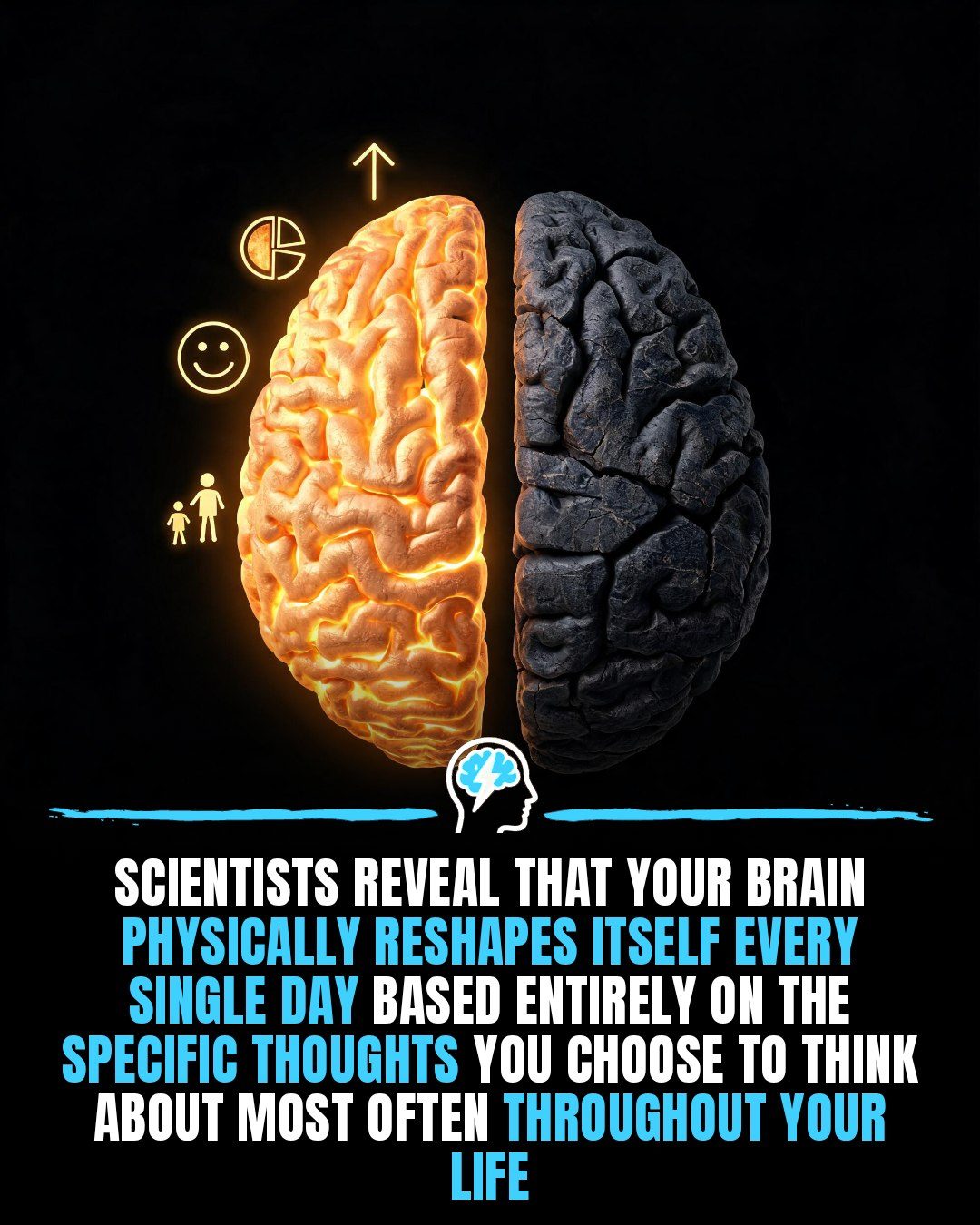
Neuroplasticity: The Power of Thoughts in Reshaping Your Brain
Your brain is not a static organ; it's a dynamic, adaptable system that evolves based on your thoughts and experiences. This phenomenon, known as neuroplasticity, is the brain's ability to physically reshape itself. Understanding this process can help you take control of your mental health and cognitive abilities.
Why This Matters
Neuroplasticity is a fundamental aspect of how the brain functions. It explains why our brains can adapt to new situations, learn new skills, and even recover from injuries. By harnessing the power of neuroplasticity, you can actively influence your brain's development and resilience. This has implications for everything from personal growth and mental health to learning new skills and overcoming challenges.
The Basics of Neuroplasticity
Building Neural Pathways
Every thought you have creates a neural pathway in your brain. When you focus on the same ideas repeatedly, these pathways become stronger and more efficient. This process involves several key mechanisms:
- Long-term potentiation (LTP) strengthens the signals between neurons, making communication between them more effective.
- Myelin, a fatty substance, thickens around active pathways, speeding up signal transmission.
- Synaptic pruning occurs when unused connections are eliminated, allowing the brain to run more efficiently.
Structural Growth
Focusing on specific mental activities can lead to physical changes in the brain's structure. For example, mindfulness and complex problem-solving can increase gray matter density in specific regions, enhancing memory and learning abilities. These changes are not temporary; they represent a permanent rewiring of your brain's hardware.
Emotional Architecture
Your emotional state also plays a significant role in neuroplasticity. Persistent negative thinking can enlarge the amygdala, the brain's fear center, making you more prone to anxiety. Conversely, practices like gratitude and cognitive reframing can strengthen the prefrontal cortex, the seat of logic and emotional regulation. This helps calm the stress response and promote emotional well-being.
Practical Tips for Enhancing Neuroplasticity
Mindfulness and Meditation
Practicing mindfulness and meditation can help you become more aware of your thoughts and emotions, allowing you to steer them in a positive direction. Regular mindfulness practices can strengthen neural pathways associated with focus, emotional regulation, and overall mental clarity.
Learning New Skills
Engaging in activities that challenge your brain, such as learning a new language, playing a musical instrument, or solving puzzles, can stimulate neuroplasticity. These activities create new neural connections and strengthen existing ones, enhancing cognitive function and brain health.
Physical Exercise
Regular physical exercise has been shown to promote neuroplasticity. It increases blood flow to the brain, enhances the production of neurotrophic factors (proteins that support neuron growth and survival), and encourages the formation of new neural connections.
Gratitude and Positive Thinking
Cultivating a practice of gratitude and positive thinking can have a profound impact on your brain's structure and function. It helps to strengthen the prefrontal cortex, reducing anxiety and promoting a more optimistic outlook on life.
Important Takeaways
- Your brain is a dynamic, adaptable system that changes based on your thoughts and experiences.
- Neuroplasticity involves the formation and strengthening of neural pathways, as well as the pruning of unused connections.
- Focused mental activity can lead to structural changes in the brain, enhancing cognitive function and emotional well-being.
- Persistent negative thinking can enlarge the amygdala, while practices like gratitude and cognitive reframing can strengthen the prefrontal cortex.
- Practical tips for enhancing neuroplasticity include mindfulness, learning new skills, physical exercise, and cultivating a positive mindset.
Conclusion
Neuroplasticity is a powerful concept that underscores the brain's capacity to adapt and evolve. By understanding and harnessing this process, you can actively influence your mental health, cognitive abilities, and overall well-being. Embrace the power of your thoughts and use them to shape a healthier, more resilient brain.
Watch the Reel
Questions readers ask
What exactly is neuroplasticity and why is it important?
Neuroplasticity refers to the brain's ability to reorganize and form new neural connections throughout life. It's important because it allows the brain to adapt to new experiences, learn new skills, and recover from injuries, making it a key factor in maintaining and enhancing your mental health and cognitive abilities.
How do my thoughts influence neuroplasticity?
Your thoughts and mindset play a significant role in neuroplasticity. Positive and proactive thoughts can stimulate the growth of new neural pathways, while negative or repetitive thoughts can reinforce less beneficial patterns. By consciously directing your thoughts, you can actively reshape your brain and enhance your emotional well-being.
Can neuroplasticity help in recovering from mental health challenges?
Yes, neuroplasticity can be a powerful tool in managing and recovering from mental health challenges. By engaging in mental training and positive thought processes, individuals can rewire their brains to develop resilience, reduce symptoms of conditions like anxiety and depression, and foster a more positive outlook on life.
How can I harness neuroplasticity to enhance my cognitive abilities?
Harnessing neuroplasticity involves engaging in activities that challenge your brain, such as learning new skills, solving puzzles, or practicing mindfulness. By consistently exposing your brain to novel experiences and maintaining a growth mindset, you can promote brain growth and improve your cognitive abilities.
What are some everyday practices that can enhance neuroplasticity?
Everyday practices like meditation, physical exercise, and engaging in new hobbies can enhance neuroplasticity. These activities stimulate the brain, encouraging the formation of new neural pathways. Additionally, maintaining a healthy lifestyle with adequate sleep and a balanced diet supports overall brain health and plasticity.
How can I reprogram my brain to overcome negative thought patterns?
To reprogram your brain, start by identifying negative thought patterns and consciously replacing them with positive affirmations. Engage in cognitive-behavioral therapy (CBT) techniques, practice mindfulness, and set achievable goals to reinforce positive thought processes. Over time, these practices can help rewire your brain for greater emotional well-being.
Can neuroplasticity help in learning new skills at any age?
Yes, neuroplasticity enables the brain to learn new skills at any age. By engaging in deliberate practice and maintaining a growth mindset, you can stimulate the formation of new neural connections. This makes it possible to acquire new skills, whether it's learning a musical instrument, a new language, or mastering a sport.
Related deep dives
Similar reads based on topic and creator.




Recent articles
Fresh deep dives from the latest Reels we unpacked.




Comments
Be the first to comment.