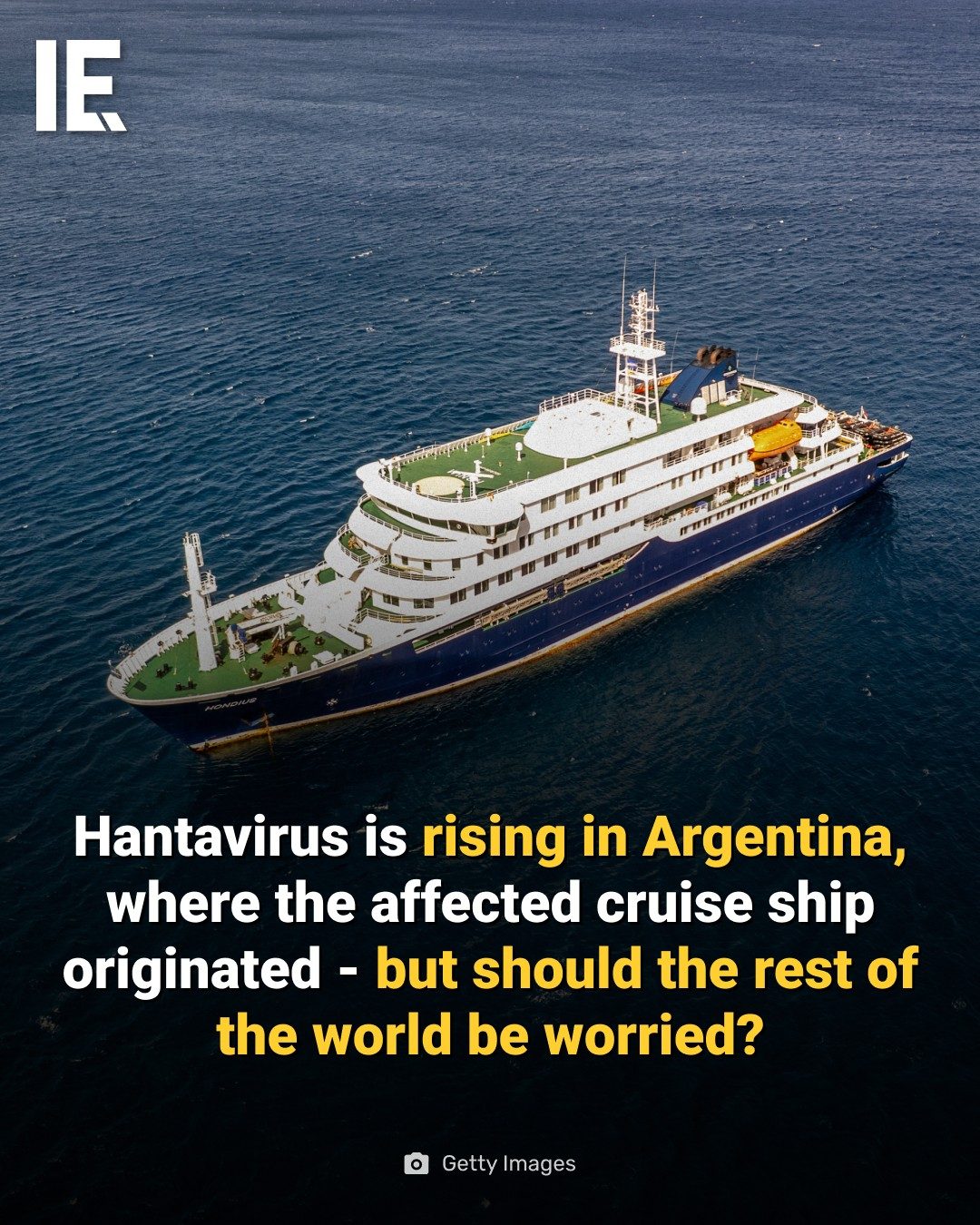
Hantavirus on the MV Hondius: A Rising Concern
The MV Hondius, a cruise ship operated by Dutch company Oceanwide Expeditions, has recently been the center of attention due to an outbreak of Hantavirus among its passengers. On April 1, 2025, the ship departed from Ushuaia, Argentina, en route to remote South Atlantic islands. Weeks later, several passengers began exhibiting flu-like symptoms, including fever, muscle aches, and fatigue. Unfortunately, three passengers have since died, and the World Health Organization (WHO) has confirmed eight cases of the Andes strain of Hantavirus on board.
Why This Matters
Hantavirus is a serious concern, especially because the Andes strain can spread person-to-person through close physical contact. This is in addition to the more common route of exposure through infected rodent droppings, urine, or saliva. Argentina, where the ship originated, has reported a significant rise in Hantavirus infections. Since June 2025, the country has recorded 101 cases, nearly double the previous year, with 30% of recent cases proving fatal.
The situation raises important questions about public health and the potential for the virus to spread beyond Argentina. With cruise ships facilitating global travel, understanding the risks and taking necessary precautions is crucial for protecting both passengers and the wider public.
Understanding Hantavirus
The Andes Strain
The Andes strain of Hantavirus is particularly concerning because it is the only known strain that can spread from person to person. This makes it more dangerous than other strains, which typically spread through contact with infected rodent waste. The ability of the Andes strain to spread through close physical contact increases the risk of outbreaks in confined spaces, such as cruise ships.
Symptoms and Diagnosis
One of the challenges in diagnosing Hantavirus is that its early symptoms are often mistaken for the flu. Symptoms include fever, muscle aches, fatigue, and, in some cases, headaches and dizziness. These symptoms can quickly escalate to more severe conditions, including respiratory distress and organ failure. Given the lack of a specific treatment for Hantavirus, early detection and isolation of infected individuals are critical.
Ruhi Çenet, a Turkish YouTuber who had been on the voyage, shared his experience with the BBC. He noticed symptoms but initially assumed it was just a bad fever. This highlights how easily the symptoms of Hantavirus can be overlooked, making it a dangerous and insidious disease.
The Outbreak on the MV Hondius
The outbreak on the MV Hondius underscores the importance of vigilance and preparedness. Passengers began exhibiting symptoms weeks after the ship departed from Ushuaia, Argentina. The initial symptoms were often dismissed as a bad case of flu, but as the situation evolved, it became clear that the passengers were dealing with something far more serious.
The ship’s journey to remote South Atlantic islands added to the complexity of the situation. The isolated nature of the destination made it difficult to access immediate medical care, and the close quarters on the ship facilitated the spread of the virus among passengers.
Public Health Implications
Global Health Concerns
The outbreak on the MV Hondius raises questions about the potential for Hantavirus to spread globally. With cruise ships transporting passengers from various parts of the world, the risk of the virus spreading to other countries is a real concern. The WHO has stated that the risk to the general public remains low, but vigilance and preparedness are essential to prevent future outbreaks.
Preventive Measures
To mitigate the risk of Hantavirus outbreaks, especially on cruise ships, several preventive measures can be implemented:
- Enhanced Surveillance: Implementing robust surveillance systems to quickly detect and respond to outbreaks.
- Isolation Protocols: Establishing clear protocols for isolating infected individuals to prevent the spread of the virus.
- Education and Awareness: Increasing awareness among passengers about the symptoms of Hantavirus and the importance of seeking medical attention promptly.
- Rodent Control: Implementing stringent rodent control measures on ships and in ports to reduce the risk of virus transmission through rodent waste.
- Health Screening: Conducting health screenings of passengers before and during their voyages to identify potential cases early.
Practical Tips
For Passengers
- Stay Informed: Be aware of the symptoms of Hantavirus and seek medical attention if you experience any flu-like symptoms during or after your voyage.
- Practice Good Hygiene: Maintain good hygiene practices, including frequent handwashing and avoiding close contact with anyone exhibiting symptoms.
- Follow Protocols: Adhere to any protocols and guidelines provided by the cruise line and health authorities.
For Cruise Lines
- Implement Protocols: Establish and enforce protocols for handling potential outbreaks, including isolation procedures and medical response plans.
- Educate Staff: Train staff to recognize the symptoms of Hantavirus and respond appropriately.
- Regular Inspections: Conduct regular inspections for rodent infestations and take immediate action if any are found.
Important Takeaways
The outbreak of Hantavirus on the MV Hondius serves as a stark reminder of the importance of vigilance and preparedness in public health. The unique ability of the Andes strain to spread person-to-person makes it a particularly dangerous threat. Early detection, isolation, and robust preventive measures are crucial in controlling the spread of the virus.
The situation also highlights the need for enhanced surveillance and education, both for passengers and cruise lines. By staying informed and taking necessary precautions, we can mitigate the risk of future outbreaks and protect the health of travelers and the wider public.
Conclusion
Hantavirus outbreaks, such as the one on the MV Hondius, underscore the importance of public health preparedness and vigilance. Understanding the symptoms, implementing preventive measures, and staying informed are key steps in protecting against this dangerous virus. By taking proactive measures, cruise lines and passengers can work together to ensure safe and healthy travels.
Watch the Reel
Questions readers ask
What are the symptoms of Hantavirus infection?
Symptoms of Hantavirus infection typically include fever, muscle aches, and fatigue. These flu-like symptoms can progress to more serious conditions, such as respiratory distress, which may require immediate medical attention.
How does the Andes strain of Hantavirus spread?
The Andes strain of Hantavirus is particularly concerning because it can spread through person-to-person contact. This means that close physical contact with an infected individual can lead to transmission, in addition to the more common routes such as contact with infected rodents.
What measures are being taken to prevent the spread of Hantavirus on the MV Hondius?
The MV Hondius is likely implementing strict isolation protocols for infected passengers and close contacts. The ship may also be enhancing cleaning and disinfection procedures to reduce the risk of further transmission. Passengers and crew are likely being monitored for symptoms and provided with necessary medical care.
What is the significance of the World Health Organization's involvement in the outbreak?
The WHO's involvement indicates the seriousness of the outbreak and the potential for global spread. Their role includes coordinating international responses, providing guidelines for containment, and offering resources to manage the situation effectively.
What is the current status of the outbreak on the MV Hondius?
As of the latest reports, three passengers have died, and eight cases of the Andes strain of Hantavirus have been confirmed by the WHO. The situation is evolving, and ongoing monitoring and containment efforts are crucial to prevent further spread.
What should passengers do if they suspect they have been exposed to Hantavirus?
Passengers who suspect they have been exposed to Hantavirus should immediately report their symptoms to the ship's medical staff. They should follow all isolation and quarantine protocols to prevent the spread and seek medical attention promptly.
Related deep dives
Similar reads based on topic and creator.




Recent articles
Fresh deep dives from the latest Reels we unpacked.




Comments
Be the first to comment.