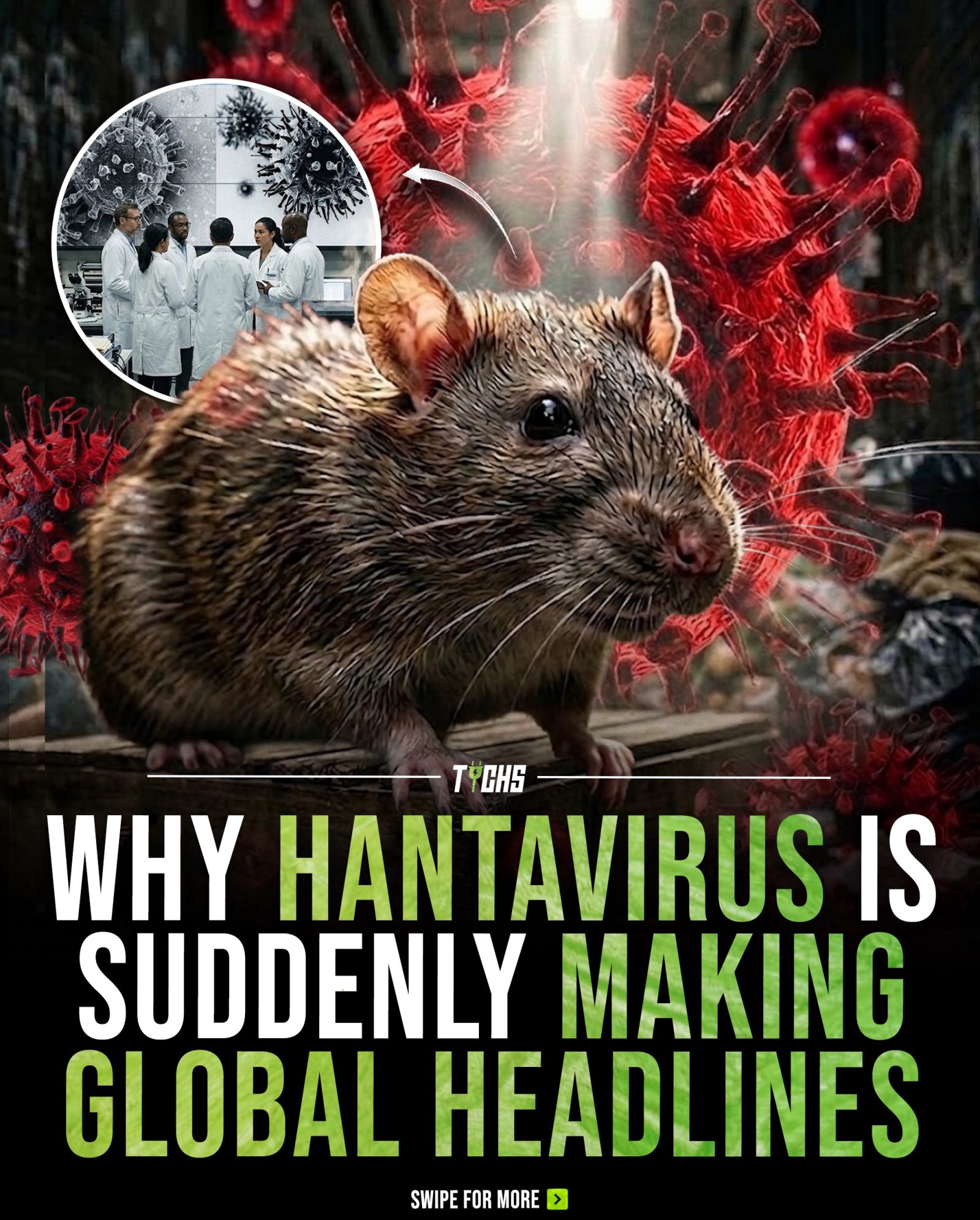
What is Hantavirus and why is it suddenly a global concern?
Hantavirus has recently garnered international attention due to new reported cases linked to international travelers. As a virus primarily carried by rodents, it spreads through contaminated particles from urine, saliva, and droppings. Hantavirus symptoms include fever, muscle pain, nausea, and breathing difficulty. Human-to-human transmission is extremely rare.
While the virus poses a significant health concern, it's important to understand the facts and take appropriate precautions.
Why this matters
Hantavirus, while not new, has become a topic of global interest due to recent outbreaks. Understanding its spread, symptoms, and preventive measures can help individuals protect themselves and their communities. The World Health Organization (WHO) has noted that the public risk remains relatively low, but awareness and precautionary actions are crucial.
How does Hantavirus spread?
Hantavirus is primarily transferred through contact with rodents or their contaminated areas. The virus can be found in rodent urine, saliva, and droppings. When these particles become airborne, they can be inhaled, leading to infection. Rodents are the natural carriers, and the risk of transmission increases in environments where rodents are prevalent, such as in rural areas or poorly maintained homes and storage facilities.
Rodent exposure
Rodent exposure is the primary mode of transmission for Hantavirus. Rodents, particularly deer mice, cotton rats, and rice rats, are the common carriers. Their urine, saliva, and droppings can contain the virus, which can then spread through contaminated surfaces or airborne particles. Avoiding contact with rodents and their habitats is essential for reducing the risk of infection. Ensure that homes and storage areas are properly sealed, and avoid areas where rodents are likely to inhabit.
Airborne transmission
Hantavirus can be transmitted through contaminated air. When rodent droppings, urine, or saliva are disturbed, the virus can become airborne. Inhaling these particles can lead to infection. It is crucial to be cautious when cleaning or entering areas where rodents may have been present. Using protective gear, such as masks and gloves, is recommended when handling potential rodent habitats or contaminated areas.
Rare rodent bites
While the primary modes of transmission are through rodents' urine, saliva, and droppings, there is a rare possibility of infection through rodent bites. This method of transmission is extremely uncommon and occurs only in instances where direct contact with an infected rodent occurs. The main concern remains with contaminated particles and surfaces, with rodent bites being an uncommon, but possible, transmission route.
How worried should we be?
Current research indicates that the risk of Hantavirus transmission is relatively low compared to other infectious diseases, such as COVID-19. The main concern lies in areas where rodents are prevalent and where people are likely to come into contact with contaminated particles. Prevention is key, and understanding how to protect oneself and one's environment is crucial for minimizing the risk of infection.
Is there a vaccine?
Currently, there is no licensed vaccine for Hantavirus. The main prevention strategies lie in avoiding rodent exposure, sealing homes properly, storing food safely, and handling contaminated areas with caution. Early hospital care remains the main treatment option, and seeking immediate medical attention is crucial for those who develop symptoms.
Maintaining a safe environment
Prevention measures for Hantavirus focus on reducing the risk of exposure to the virus. Key strategies include maintaining a rodent-free environment, sealing any potential entry points for rodents, and handling contaminated areas with care. Keeping food stored safely and avoiding areas with high rodent activity are also crucial steps in preventing infection.
Sealing homes and storage areas
Sealing homes and storage areas is essential for preventing rodent entry. Rodents can enter through small openings and cracks, so it is important to inspect and repair any potential entry points. Using steel wool, caulk, or hardware cloth can help seal these areas effectively.
Proper food storage
Storing food safely is crucial for deterring rodents. Keep food in airtight containers and off the ground, making it less accessible to rodents. Regularly clean food storage areas to remove any potential attractants for rodents.
Handling contaminated areas
Handling contaminated areas with caution is essential for preventing Hantavirus transmission. When cleaning areas where rodents may have been present, use protective gear, such as masks and gloves. Spray contaminated areas with disinfectant before cleaning, and dispose of waste safely.
Symptoms and early detection
Recognizing the symptoms of Hantavirus is crucial for early detection and treatment. Symptoms typically appear within one to five weeks after exposure and can include fever, muscle pain, nausea, and breathing difficulty. Early symptoms can be mild and easily mistaken for other illnesses, so it is important to seek medical attention if you experience these symptoms and have been in an area with a high risk of rodent exposure.
Fever and muscle pain
Fever and muscle pain are common initial symptoms of Hantavirus. These symptoms can be mild and may be mistaken for other illnesses, such as the flu. However, if these symptoms persist and are accompanied by other signs, such as nausea or breathing difficulty, it is important to seek medical attention.
Nausea and breathing difficulty
Nausea and breathing difficulty can also be early symptoms of Hantavirus. These symptoms can worsen over time and may indicate a more serious infection. If you experience these symptoms, particularly in conjunction with a fever and muscle pain, seek medical attention immediately.
When to seek medical attention
If you experience symptoms of Hantavirus, particularly in the context of recent exposure to rodents or contaminated areas, seek medical attention promptly. Early hospital care remains the main treatment option. Prompt medical attention can help manage symptoms and prevent the infection from progressing to a more severe stage.
Important takeaways
Hantavirus, while a cause for concern, is manageable with the right precautions. By understanding the modes of transmission, symptoms, and preventive measures, individuals can protect themselves and their communities. The absence of a vaccine underscores the importance of prevention, making it crucial to maintain a rodent-free environment, store food safely, and handle contaminated areas with care.
Conclusion
Public health organizations emphasize that while the risk of Hantavirus is relatively low, awareness and preventive measures are essential. By taking the necessary precautions and seeking medical attention promptly, individuals can mitigate the risks associated with this virus. Understanding the facts about Hantavirus and implementing effective prevention strategies can help safeguard public health and minimize the impact of potential outbreaks.
Watch the Reel
Questions readers ask
How does Hantavirus spread from rodents to humans?
Hantavirus spreads to humans through contact with infected rodent urine, saliva, or droppings. This can occur through inhalation of contaminated dust or direct contact with the infected material, such as when cleaning up rodent-infested areas. Therefore, proper handling and preventive measures are essential for avoiding contamination.
What are the early symptoms of Hantavirus in humans?
Early symptoms of Hantavirus in humans typically include fever, muscle aches, especially in the back, hips, and legs, and fatigue. Nausea, vomiting, headaches, and dizziness may also accompany these symptoms. It's important to consult a healthcare professional for proper diagnosis and treatment.
How can travelers protect themselves from Hantavirus during trips abroad?
Travelers can protect themselves from Hantavirus by avoiding contact with rodents and their habitats, especially in areas where Hantavirus is prevalent. It’s important to stay in well-maintained accommodations, keep food sealed, and dispose of trash properly. If staying in rustic or remote areas, take extra precautions to avoid rodent-infested spaces.
Are there any vaccines available for Hantavirus?
As of now, there are no widely available vaccines for Hantavirus. Research is ongoing, and while there have been some promising developments, a successful vaccine for public use is not yet available. The best approach is to focus on prevention and avoidance of rodent-borne diseases.
What should you do if you suspect a Hantavirus infection?
If you suspect a Hantavirus infection, seek medical attention immediately. Early diagnosis and treatment can significantly improve outcomes. Inform your healthcare provider about any potential exposure to rodents or rodent-infested areas to aid in the diagnostic process.
How can communities prevent the spread of Hantavirus?
Communities can prevent the spread of Hantavirus by implementing effective rodent control measures, such as sealing entry points in buildings, using rodenticides, and maintaining clean environments. Regular inspections and prompt cleanup of rodent-infested areas can also help reduce the risk of contamination and spread.
What are the treatment options for Hantavirus in humans?
There is no specific cure for Hantavirus, but supportive care can be very effective. Treatment often involves managing symptoms and providing supportive care, such as oxygen therapy for respiratory symptoms, and fluids to maintain hydration. Early intervention is crucial for better outcomes, so seeking medical advice promptly is essential.
Related deep dives
Similar reads based on topic and creator.

Recent articles
Fresh deep dives from the latest Reels we unpacked.




Comments
Be the first to comment.