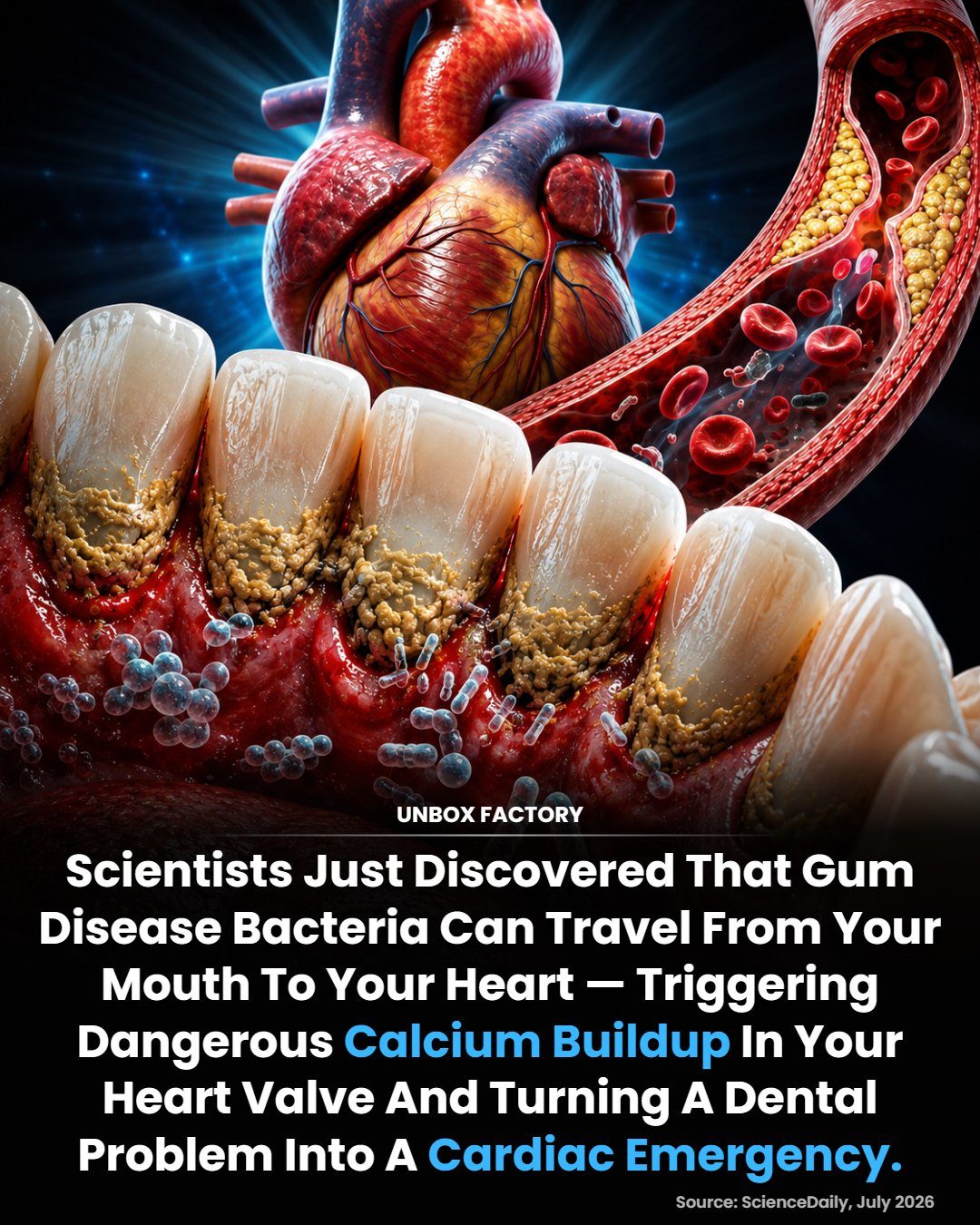
Heart and Dental Health
Heart health and dental health are intricately connected, with recent scientific discoveries highlighting the significant impact of oral health on cardiovascular well-being. This connection underscores the importance of maintaining good oral hygiene not just for a healthy smile, but also for a healthy heart.
Why This Matters
The link between dental health and heart health is more than just a theory; it's a well-documented scientific reality. The discovery that gum disease bacteria can travel from the mouth to the heart is a game-changer in understanding how to prevent cardiovascular diseases. This connection is particularly relevant given that severe gum disease affects nearly one billion people worldwide, and cardiovascular disease remains the leading cause of death globally.
The Science Behind the Connection
The Path of Bacteria
Bacteria responsible for gum disease, such as periodontitis, can enter the bloodstream through inflamed or bleeding gums. Once in the bloodstream, these bacteria can travel to various parts of the body, including the heart. This migration is not just a theoretical possibility; scientists have found evidence of these bacteria in the heart valves of individuals with severe gum disease.
The Impact on Heart Valves
Once bacteria reach the heart, they can contribute to the calcification of the aortic valve, a condition known as aortic valve stenosis. This calcification causes the heart valve to narrow, forcing the heart to work harder to pump blood effectively. Over time, this increased strain can lead to heart failure and other cardiovascular complications.
Chronic Inflammation and Calcium Buildup
Researchers believe that chronic inflammation caused by these bacteria may accelerate the buildup of calcium in the heart valves. This inflammation not only damages the heart valves but also creates an environment conducive to further bacterial infiltration, perpetuating a cycle of damage and deterioration.
The Danger of Calcium Buildup
Calcium buildup in the heart valve is particularly dangerous because it can lead to aortic valve stenosis, one of the most serious forms of heart valve disease. This condition can lead to various cardiac emergencies, including heart attacks and heart failure. The severity of this condition underscores the importance of addressing gum disease promptly and effectively.
Importance of Oral Hygiene
Maintaining good oral hygiene is more critical than ever. Regular dental check-ups, brushing, and flossing can significantly reduce the risk of gum disease and, by extension, cardiovascular issues. Regular dental check-ups are essential for early detection and treatment of gum disease, thereby minimizing the risk of potential cardiac emergencies.
Early Detection and Treatment
Early detection of gum disease is crucial for preventing the progression to more severe forms that can impact heart health. Regular dental check-ups allow dentists to identify early signs of gum disease and take appropriate measures to treat it before it can cause significant damage. Effective treatments for gum disease, such as deep cleanings and antibiotics, can help eliminate the bacteria and reduce inflammation, thereby safeguarding heart health.
Preventive Measures
Preventive measures such as regular brushing, flossing, and using mouthwash can go a long way in maintaining good oral health. These simple steps can help reduce the bacterial load in the mouth, minimizing the risk of inflammation and potential bacterial entry into the bloodstream. Additionally, maintaining a healthy diet and avoiding habits such as smoking can further enhance oral health and reduce the risk of gum disease.
Lifestyle Factors
Lifestyle factors play a significant role in both oral and heart health. Regular exercise, a balanced diet, and abstaining from harmful habits like smoking can significantly improve overall health. These lifestyle changes, combined with good oral hygiene practices, can create a sustainable approach to maintaining both oral and heart health.
Practical Tips
Maintaining good oral hygiene is not just about brushing and flossing; it involves a comprehensive approach to overall health. Here are some practical tips to keep both your mouth and heart healthy:
- Regular Dental Visits: Schedule regular dental check-ups to monitor your oral health and detect any issues early.
- Proper Oral Hygiene: Brush your teeth at least twice a day and floss daily to remove plaque and bacteria.
- Healthy Diet: Consume a diet rich in fruits, vegetables, and whole grains to support overall health.
- Avoid Harmful Habits: Avoid smoking and excessive alcohol consumption, as these habits can damage both your teeth and your heart.
- Stay Active: Incorporate regular exercise into your routine to maintain a healthy weight and improve cardiovascular health.
- Stay Informed: Keep updated on the latest research and recommendations regarding oral and heart health.
- Professional Cleanings: Regular professional cleanings can help remove tartar and plaque that regular brushing and flossing may miss.
Important Takeaways
The connection between oral and heart health is a crucial piece of information for maintaining overall well-being. Here are the key points to remember:
- Gum disease bacteria can travel from the mouth to the heart, contributing to the calcification of the aortic valve.
- Regular dental check-ups and good oral hygiene practices are essential for preventing gum disease and safeguarding heart health.
- Early detection and treatment of gum disease can significantly reduce the risk of cardiovascular complications.
- Maintaining a healthy lifestyle, including regular exercise and a balanced diet, plays a vital role in both oral and heart health.
Conclusion
The discovery that gum disease bacteria can travel to the heart and cause serious cardiovascular issues highlights the importance of maintaining good oral hygiene. Regular dental check-ups, proper oral hygiene, and a healthy lifestyle can significantly reduce the risk of both gum disease and heart disease. By taking proactive steps to care for your teeth and gums, you can protect your heart and ensure a healthier, happier life.
Watch the Reel
Questions readers ask
How does gum disease specifically impact heart health?
Gum disease can impact heart health through the spread of bacteria from inflamed gums to the heart, potentially leading to serious cardiovascular issues such as heart valve disease and calcium buildup in the arteries.
What role does oral hygiene play in preventing heart disease?
Maintaining good oral hygiene is crucial for preventing heart disease. By keeping your mouth clean, you can reduce gum inflammation and the risk of bacteria entering the bloodstream and affecting your heart.
What are the key risk factors for gum disease that can also affect heart health?
The key risk factors for gum disease, such as poor oral hygiene, smoking, and diabetes, can also increase the risk of heart disease. It's important to address these factors to maintain both gum health and heart health.
How can I prevent gum disease and protect my heart?
To prevent gum disease and protect your heart, brush your teeth twice a day, floss daily, and visit your dentist regularly. These habits can help maintain your oral health and reduce the risk of bacteria spreading to your heart.
Can bacteria from the gums really travel to the heart?
Yes, bacteria from the gums can travel to the heart, especially if the gums are inflamed. This can lead to a variety of cardiovascular issues, making it essential to manage gum health carefully.
What is the connection between gum inflammation and heart disease prevention?
Gum inflammation can release inflammatory markers that cause blood vessels to swell, allowing bacteria to enter the bloodstream and potentially reach the heart. Preventing gum inflammation is key to protecting heart health.
How common is gum disease and how does it relate to heart disease?
Gum disease is very common, affecting nearly one billion people worldwide. Since gum disease can increase the risk of heart disease, it's important to address gum health as part of managing overall heart disease risk factors.
Related deep dives
Similar reads based on topic and creator.



Recent articles
Fresh deep dives from the latest Reels we unpacked.




Comments
Be the first to comment.