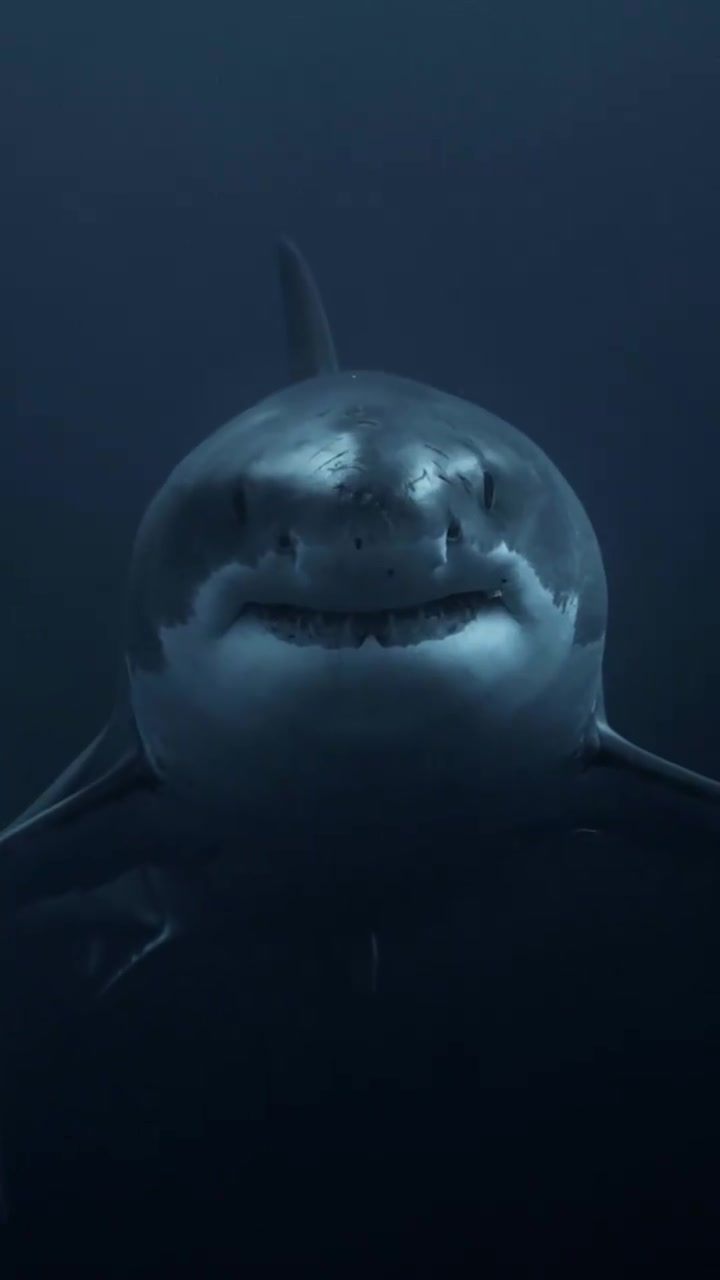
The Viscous Charm and Eerie Mystery of the Great White Shark
The formidable Great White Shark is a creature of colossal terror and immense allure, known for their powerful, sleek forms and razor-sharp teeth. The shark patterns a magical dance dancing alone in the deep blue water — thriving in a domain hidden from most mortal eyes, the Great White Shark is fierce and mysterious. This unique apex predator boasts a powerful, streamlined body and a mouthful of serrated teeth, designed for tearing flesh. Normally, Great White Sharks can grow up to 20 feet, but they typically average 15 feet. With rows of replaceable teeth, they thrive as apex predators of the ocean
Power in the Deep Blue
The Great White Shark is not just an apex predator of the ocean but exists at the apex of public consciousness — but why. The Great White Shark is a master of intimidation, but also mystery. Its sleek, torpedo-shaped body cuts through the ocean with remarkable agility, while its tooth-filled jaws leave little doubt about its predatory prowess. The Great White, however, is a mystifying animal. So elusive, even scientists struggle to pin down basic facts about sharks' life span, age, or social behavior. This shark's elusive nature creates a problem — the shark is difficult to track, observe, and understand. Yet scientists have a responsibility to understand the Great White Shark, since changes in the Great White's population may indicate a larger shift in oceanic health.
A Glistening Hunter
Shark Anatomy
The Great White Shark possesses a range of adaptions that allow it to thrive. The Great White has an acute sense of smell, which allows it to detect blood in the water from hundreds of yards away. Its eyes, a sleek, black pupil facing forward, aren't just for beauty. The shark’s eyes face forward, giving it superior depth perception. Largest of the shark’s sensory organs is its lateral line, a series of pores that run along each side of the shark’s body, sending sensory signals to the brain.
Feeding behavior
The Great White is a graceful, precise predator. When hunting, it relies on its keen senses and powerful body to ambush its prey. This shark often employs a tactic known as "spinning," where it circles its prey and attacks from below, striking with frightening force. The Great White will often come from a hundred-foot depth to attack food. The Great White's favorite food is California sea lions, though they can also feast on elephant seals, sea otters, and occasionally, fish. This shark is an apex predator of the ocean, with several subordinates prey falling into another category of prey — carcasses.
The myth of danger
Despite its formidable reputation, Great White encounters with humans are rare. While the Great White Shark has the potential to be dangerous, shark attacks are uncommon due to the Great White's natural desire to avoid humans. At most Great White attacks on humans are exploratory or defensive. The Great White's enormous mouth, paired with its dorsal fin, could indeed become a 'model for horror' — but despite its reputation, the Great White is not normally aggressive.
The Shark's Raw Edge
Living underwater
The Great White lives a solitary life, preferring to hunt and travel alone. But even with a solitary lifestyle, the Great White does not like living lonely. The Great White, as a seasonal migratory animal, utilizes the deep ocean as a highway, traveling large distances to follow food and mates. The Great White can travel thousands of miles, even between continents. Great White sharks are cold-blooded. This means the animal can raise its internal temperature above the water temperature. The advantage to this is that it can spend more time in the cold waters at the surface feeding and hunting, and less time basking in the sun for warmth.
Reproductive behavior
The Great White’s lifespan, age, and reproductive behavior isn’t well documented, but it is speculated through fossil records. It is suspected they undergo a 'pregnancy' of up to a year. This female shark was documented with 426 milk teeth. Sharks have a unique reproductive system which leaves much of the reproductive, birthing, and nursing behaviors of the Great White still unknown. The shark’s reproductive process is mysterious — it is not well documented and little is known about their birthing or nursing practices. Now you know these deep ocean predators. If you see a Great White Shark, consider yourself lucky. But don’t forget the Great White’s deadly presence. If you are near a Great White Shark in the water, hold still and wait for the shark to leave.
Watch the Reel
Questions readers ask
What makes the Great White Shark such a formidable predator?
The Great White Shark's formidable nature comes from its powerful, streamlined body and rows of replaceable, serrated teeth designed for tearing flesh. Its keen senses, including an acute sense of smell and superior depth perception, allow it to detect and ambush prey with remarkable precision.
Why is the Great White Shark so mysterious to scientists?
The Great White Shark's elusive nature makes it difficult to track and observe, which is why scientists struggle to pin down basic facts about its lifespan, age, and social behavior. Its deep-sea habitat and rare sightings contribute to the mystery surrounding this predator.
How does the Great White Shark hunt its prey?
The Great White Shark is a graceful and precise predator that often uses a tactic called 'spinning,' where it circles its prey and attacks from below. It relies on its keen senses and powerful body to ambush prey, striking with frightening force from depths of up to a hundred feet.
What do Great White Sharks typically eat?
Great White Sharks primarily feed on marine mammals such as California sea lions and elephant seals. They also consume sea otters and occasionally fish. Additionally, they are known to scavenge on carcasses, making them versatile predators.
Are Great White Sharks really as dangerous to humans as they are portrayed?
Despite their fearsome reputation, Great White Shark encounters with humans are rare. Most attacks are exploratory or defensive, and these sharks generally prefer to avoid humans. Their natural behavior does not typically involve aggression towards humans.
What adaptations help the Great White Shark thrive in its ocean habitat?
The Great White Shark has several adaptations that aid its survival, including an acute sense of smell, forward-facing eyes for superior depth perception, and a lateral line system of pores that detect sensory signals. These adaptations make it a highly efficient and formidable predator.
What role does the Great White Shark play in the ocean ecosystem?
As an apex predator, the Great White Shark plays a crucial role in maintaining the balance of the ocean ecosystem. Changes in its population can indicate larger shifts in oceanic health, making it an important species for scientists to study and understand.
Related deep dives
Similar reads based on topic and creator.




Recent articles
Fresh deep dives from the latest Reels we unpacked.




Comments
Be the first to comment.