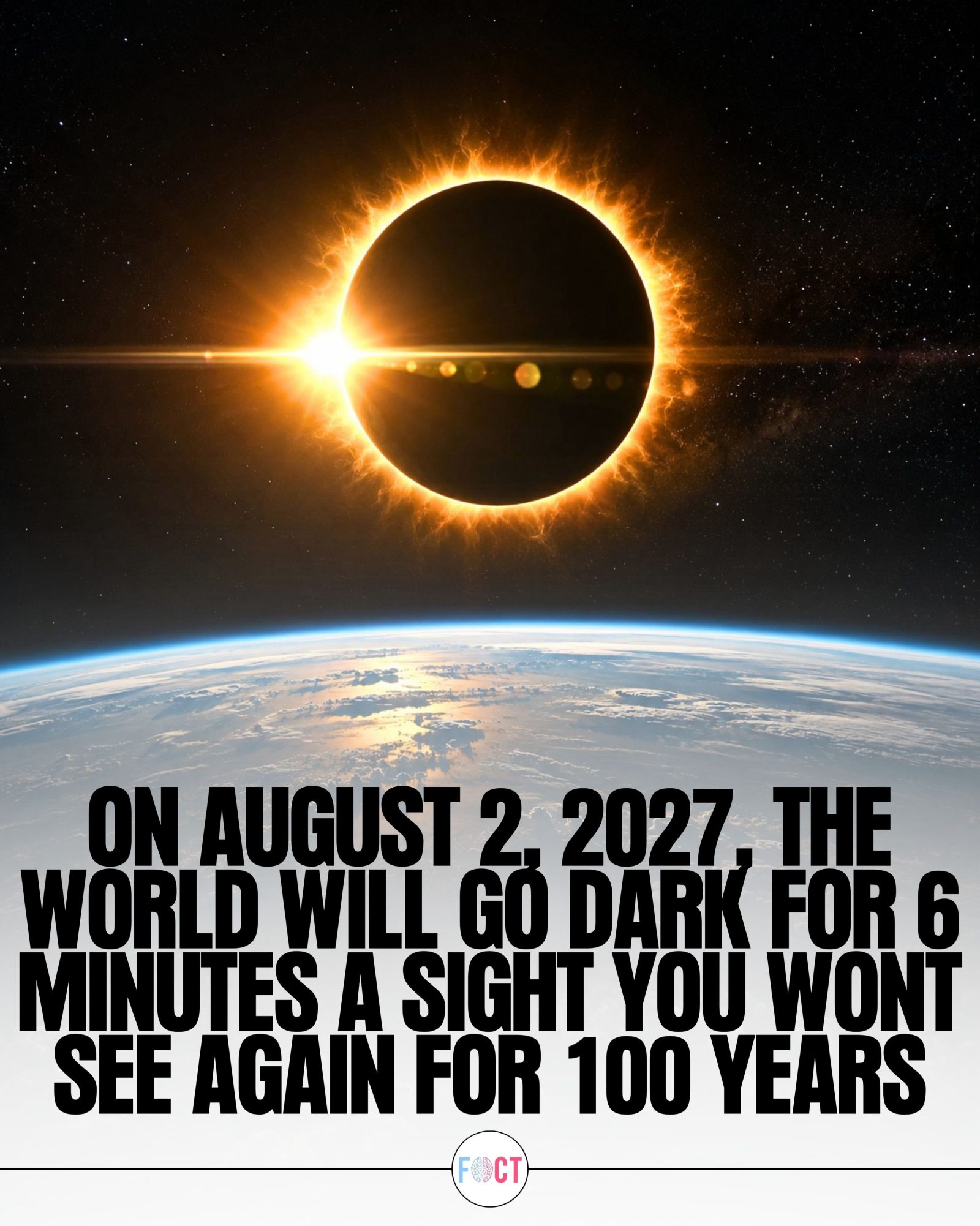
The Great North African Eclipse of 2027
On August 2, 2027, a spectacular celestial event will unfold: the longest total solar eclipse of the century. Known as the Great North African Eclipse, this event will cast a shadow over parts of North Africa, Southern Europe, and the Middle East, offering an unforgettable sight for millions.
Why this matters
This eclipse is not just another astronomical occurrence. A total solar eclipse happens when the Moon passes directly between the Earth and the Sun, completely blocking out the Sun's light. The Moon's shadow will sweep across the Earth's surface, creating a path of totality. During this brief period, the solar corona—the Sun's outer atmosphere—will be visible, offering a rare glimpse of the Sun's outer layers.
The Great North African Eclipse is particularly noteworthy for several reasons. First, it will last for an impressive 6 minutes 23 seconds, making it the longest total solar eclipse of the 21st century. Second, its path of totality is expected to be about 200 kilometers in width.
The Great North African Eclipse is rare in another way. It won't be seen again for a century. The next total solar eclipse visible from a similar location won't occur until 2114. This makes the 2027 eclipse a once-in-a-lifetime opportunity for many.
Main discussion
The Path of the Eclipse
The eclipse will begin its journey in the early afternoon and track westward across the Atlantic. Its path of totality will cross several key locations, giving millions of people a chance to witness this extraordinary event. These regions include Spain, Morocco, Algeria, Tunisia, Libya, and Egypt. Saudi Arabia and Yemen will also fall within the shadow path. The Great North African Eclipse is most anticipated in Luxor, Egypt, which offers one of the best viewing spots.
Key Stages of the Eclipse
A total solar eclipse can be divided into several key stages, each offering a unique experience for observers:
-
First Contact: The eclipse begins with the Moon taking a "bite" out of the Sun. This phase is marked by the Moon's silhouette gradually covering the Sun's disk.
-
Second Contact: This is the moment when the Moon completely covers the Sun, and the solar corona becomes visible. This phase is known as totality and is the most anticipated part of the eclipse.
-
Maximum Eclipse: During this phase, the Moon is closest to the center of the Sun, and the solar corona is at its brightest. This is the perfect time to observe the Sun's outer atmosphere.
-
Third Contact: As the Moon begins to move away from the Sun, the solar corona fades, and the Sun's surface starts to reappear.
-
Fourth Contact: The Moon completes its journey across the Sun, and the eclipse comes to an end.
What to Expect During Totality
During the brief period of totality, several remarkable phenomena occur:
-
Diamond Ring Effect: Just before and after totality, a brilliant point of light, known as the diamond ring, may be visible. This effect is caused by the last remaining light of the Sun peaking through the Moon's rugged terrain.
-
Shadow Bands: These are wave-like patterns of light and dark that can be seen on flat surfaces just before and after totality. They are caused by the turbulence in the Earth's atmosphere as the Moon's shadow passes over.
-
Baily's Beads: Named after the astronomer Francis Baily, these beads of light are visible around the edge of the Moon just before and after totality. They are caused by the Sun's light shining through the valleys and craters on the Moon's surface.
Practical tips
Watching a solar eclipse is a thrilling experience, but it's essential to take proper precautions to protect your eyes. Here are some practical tips for safely enjoying the eclipse:
Safety Precautions
-
Use Certified Solar Filters: Never look directly at the Sun without proper eye protection. Use certified solar filters or eclipse glasses that meet international safety standards.
-
Avoid Homemade Filters: Do not use homemade filters or ordinary sunglasses, as they will not provide adequate protection. Invest in certified eclipse glasses specifically designed for solar viewing.
-
Protected Viewing Instruments: If you plan to use binoculars or a telescope, make sure they are fitted with solar filters. Never look through an unfiltered lens at the Sun.
-
Indirect Viewing Methods: Consider using indirect viewing methods, such as a pinhole projector. This simple device allows you to project the Sun's image onto a surface, allowing you to observe the eclipse safely.
Important takeaways
Why the Eclipse is a Big Deal
The Great North African Eclipse of 2027 is a significant celestial event for several reasons:
-
Rarity: Total solar eclipses are relatively rare, and this one is particularly special because it will be the longest of the century. The next similar eclipse won't occur until 2114, making it a once-in-a-lifetime opportunity for many.
-
Scientific Value: For astronomers, the eclipse provides a unique opportunity to study the Sun's corona, which is usually hidden by the Sun's bright light. Observations made during the eclipse can help scientists learn more about the Sun's outer atmosphere and its impact on the Earth.
-
Cultural and Social Impact: Eclipses have long held cultural and social significance. Throughout history, they have been marked by rituals, celebrations, and gatherings. The Great North African Eclipse is expected to draw people from around the world, fostering a sense of global community and shared experience.
Conclusion
The Great North African Eclipse of 2027 promises to be one of the most spectacular and memorable celestial events of the century. For those within the path of totality in Spain, Morocco, Algeria, Tunisia, Libya, Egypt, Saudi Arabia, and Yemen, the experience will be unforgettable and serve as a reminder of the awe-inspiring power and beauty of our universe. Those fortunate enough to witness the event will bear witness to a sight that won't be seen again for 100 years.
Watch the Reel
Questions readers ask
What makes the Great North African Eclipse of 2027 so special?
The Great North African Eclipse of 2027 is notable for its duration. With a totality lasting six minutes and 23 seconds, it will be the longest total solar eclipse of the century. This extended period allows for a longer viewing experience of the eclipse's unique phenomena.
Which regions will experience the total solar eclipse on August 2, 2027?
The path of totality will pass over several regions, including Spain, Algeria, and Egypt. The shadow will be approximately 200 kilometers wide, offering a broad area from which to view the eclipse.
What is the significance of the eclipse's path over North Africa?
The path over North Africa is significant because it will allow millions of people in the region to witness the eclipse. This event will likely attract visitors from around the world, enhancing the cultural and scientific excitement in the regions it passes through.
How does the Moon's shadow create the path of totality?
During a total solar eclipse, the Moon aligns perfectly between the Earth and the Sun, casting a shadow on the Earth's surface. This shadow, known as the umbra, sweeps across the Earth, creating the path of totality where the eclipse is visible in its full phase.
What can viewers expect to see during the total solar eclipse on August 2, 2027?
During the brief period of totality, viewers can witness the solar corona—the Sun's outer atmosphere—becoming visible. This offers a rare glimpse of the Sun's outer layers, which are normally obscured by the Sun's bright light. Additionally, viewers may see the diamond ring effect and Baily's beads, which occur as the Moon's rugged edges allow beacons of sunlight to shine through.
How can I prepare to view the eclipse safely?
To view the eclipse safely, it is essential to use certified solar eclipse glasses or filters. These devices are specifically designed to protect your eyes from the harmful rays of the Sun. Regular sunglasses are not sufficient for safe viewing.
Related deep dives
Similar reads based on topic and creator.




Recent articles
Fresh deep dives from the latest Reels we unpacked.




Comments
Be the first to comment.