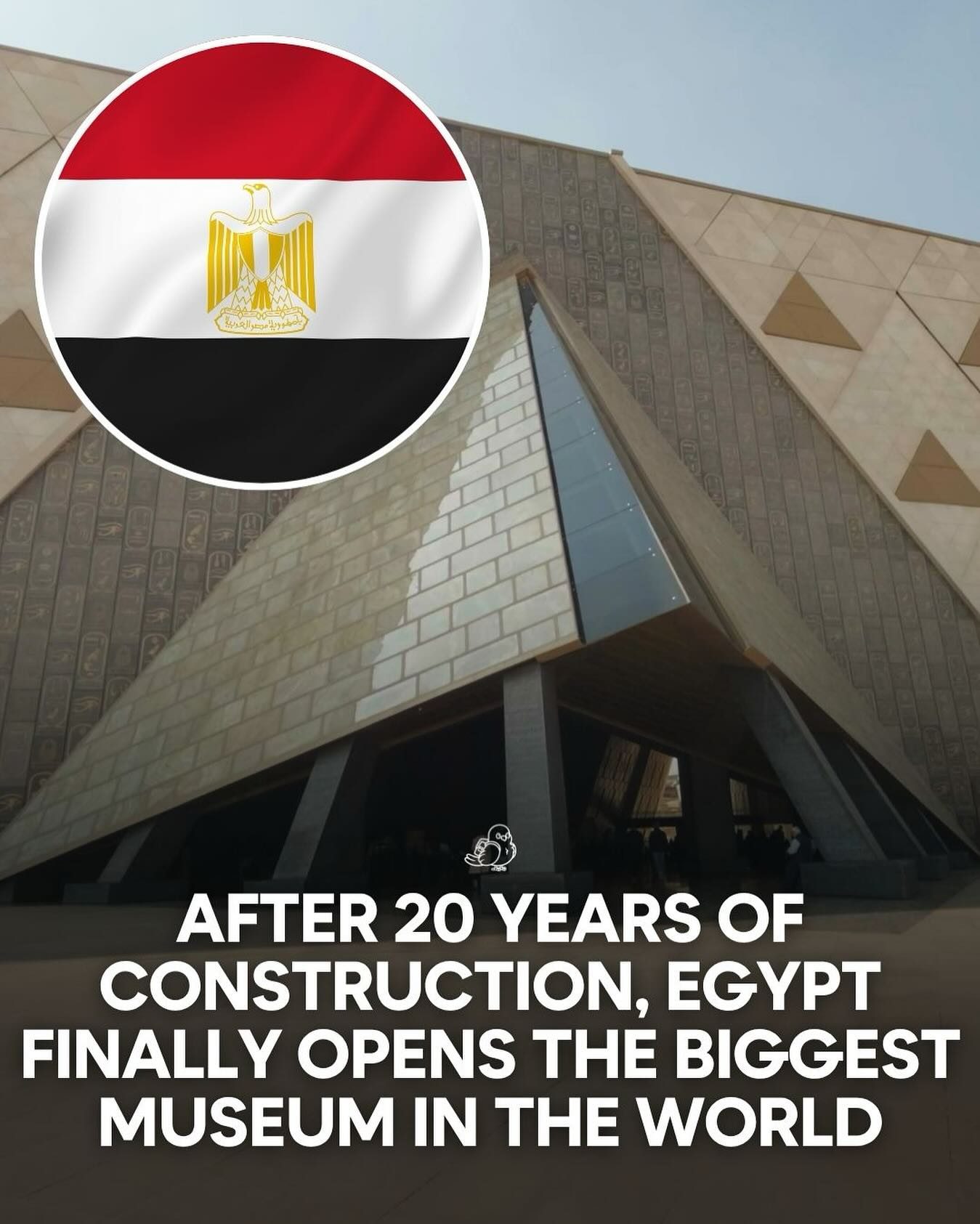
The Grand Egyptian Museum: A Monument to Ancient History and Modern Ambition
The Grand Egyptian Museum (GEM), nestled near the iconic Giza Pyramids, has finally thrown open its doors. After two decades of planning, delays, and monumental ambition, it heralds a new era in archaeological exploration. Originally announced in 2002, GEM was fraught with numerous challenges, including funding hurdles, political unrest, and the 2011 revolution. The scale of the project itself was overwhelming—the construction of a 500,000 square meter complex designed to house over 100,000 artifacts, including the entire collection of King Tutankhamun’s treasures, which are displayed together for the first time ever. The wait is finally over, and the GEM stands proudly as the world's largest archaeological museum, seamlessly blending ancient history with cutting-edge technology and offering breathtaking panoramic views of the pyramids.
Why This Matters
The Grand Egyptian Museum represents more than just a new cultural attraction; it's a testament to Egypt's rich history and its commitment to preserving and showcasing its cultural heritage. It's a beacon of hope for archaeologists, historians, and enthusiasts worldwide, providing an unparalleled opportunity to immerse themselves in ancient Egyptian civilization. The museum's opening is a significant milestone, particularly for those who have long anticipated the day when King Tutankhamun's treasures would be displayed together for the first time.
The Journey to Opening: Challenges and Milestones
Conception and Planning
The idea of the Grand Egyptian Museum was conceived in 2002, with the aim of creating a world-class museum that would surpass all others. Originally envisioned as a successor to the Egyptian Museum in Cairo, the GEM was intended to serve as a modern showcase for the country's most prized artifacts. The project saw the initial collaborative efforts of the Egyptian Government, UNESCO, and the Japanese International Cooperation Agency, who began to plan the massive undertaking.
Construction and Setbacks
After its official inauguration in 2002, construction of the museum commenced. However, the journey was fraught with obstacles. Political instability, including the 2011 revolution, disrupted the project’s timeline, causing extensive delays. Funding challenges also plagued the construction, with various financial issues arising from the ambitious scale of the project. Despite all these hurdles, the Egyptian Ministry of Antiquities, the key entity driving the project, persevered, determined to bring the museum to fruition.
Architectural Marvel
The Grand Egyptian Museum boasts a distinctive architectural design that pays homage to Egypt's rich heritage. The building features triangular shapes and Egyptian motifs, seamlessly integrating modern architectural principles with ancient design elements. The facade is adorned with intricate patterns and motifs that evoke the grandeur of ancient Egyptian civilization. This unique blend of old and new creates a stunning visual experience for visitors.
The museum’s architectural marvels extend beyond its exterior. Inside, state-of-the-art technology enhances the visitor experience, offering immersive and interactive exhibits. The museum's cutting-edge facilities ensure that artifacts are preserved in optimal conditions, providing a secure and climate-controlled environment for the priceless treasures.
The Collection: A Treasure Trove of History
The centerpiece of the Grand Egyptian Museum is undoubtedly the collection of the King Tutankhamun treasures. These artifacts, discovered by Howard Carter in 1922 in the Valley of the Kings, are some of the most significant finds in Egypt's archaeological history. For the first time, the entire collection is displayed together, offering visitors an unprecedented opportunity to explore the treasures that made King Tutankhamun’s name synonymous with ancient Egyptian royalty.
Beyond the Tutankhamun collection, the GEM houses an extensive array of artifacts that span thousands of years of Egyptian history. From the Predynastic Period to the Ptolemaic Period, the museum’s vast collection provides a comprehensive journey through the epochs of ancient Egypt.
Practical Tips for Visiting the Grand Egyptian Museum
Planning Your Visit
Visiting the Grand Egyptian Museum is an experience that demands thoughtful planning. Here’s what you need to know:
- Best Time to Visit: The best time to visit the museum is early in the morning or late in the afternoon. This will help you avoid the peak tourist hours and enjoy a more serene experience.
- Getting There: Located near the Giza Pyramids, the GEM is easily accessible via various modes of transportation. Consider booking a guided tour or using public transportation to get there.
- Guided Tours: Opt for a guided tour to make the most of your visit. Expert guides provide insightful information and can enhance your understanding of the artifacts on display.
What to See
Make sure to allocate ample time for the following must-see exhibits:
- Tutankhamun's Treasures: The centerpiece of the museum, featuring the famous gold mask and other treasures from the young pharaoh’s tomb.
- The Hall of Kings: A grand display of statues and artifacts from various pharaohs, offering a comprehensive overview of ancient Egyptian royalty.
Additional Tips
- Stay Hydrated and Comfortable: The museum is vast, so wear comfortable shoes and stay hydrated. There are several rest areas and cafes within the museum.
- Bring a Camera: While photography is permitted in some areas, be sure to check the rules and guidelines to ensure you can capture the treasures without any issues.
Important Takeaways
The Grand Egyptian Museum stands as a testament to the enduring legacy of ancient Egyptian civilization. It not only serves as a showcase for the country's rich cultural heritage but also as a hub for archaeological research and education. The museum’s unique blend of ancient history and modern technology offers an unparalleled visitor experience, making it a must-visit destination for anyone interested in the wonders of ancient Egypt.
Conclusion
The opening of the Grand Egyptian Museum is a monumental achievement, marking a new chapter in Egypt's cultural and historical narrative. After two decades of planning, the GEM has finally opened its doors, revealing a treasure trove of ancient artifacts and providing visitors with an immersive journey through the past. Whether you're a history enthusiast, an archaeologist, or simply curious about the wonders of ancient Egypt, the Grand Egyptian Museum promises an unforgettable experience that will leave you in awe of the civilization that shaped our understanding of history.
Watch the Reel
Questions readers ask
When did the Grand Egyptian Museum officially open to the public?
The Grand Egyptian Museum officially opened its doors to the public after a long period of planning and construction, which lasted nearly two decades. The exact opening date should be verified with the museum's official announcements, as the wait for opening was extended.
What is the significance of the King Tutankhamun treasures at the Grand Egyptian Museum?
The Grand Egyptian Museum is the first place where the entire collection of King Tutankhamun’s treasures is displayed together. This exhibition offers a unique opportunity for visitors to explore the vast array of artifacts and learn about the life and times of the famous pharaoh.
What challenges were faced during the construction of the Grand Egyptian Museum?
The construction of the Grand Egyptian Museum encountered several challenges, including funding difficulties, political unrest, and the 2011 revolution in Egypt. These obstacles contributed to significant delays in the completion of the project.
What are the dimensions and capacity of the Grand Egyptian Museum?
The Grand Egyptian Museum spans an impressive 500,000 square meters and is designed to house over 100,000 artifacts, making it the world's largest archaeological museum.
How does the Grand Egyptian Museum commemorate ancient history and modern innovation?
The Grand Egyptian Museum stands as a testament to both ancient history and modern innovation. It showcases ancient Egyptian artifacts, including the treasures of King Tut, while utilizing modern architectural design and technology to create an immersive visitor experience.
What other attractions are near the Grand Egyptian Museum?
The Grand Egyptian Museum is conveniently located near the iconic Giza Pyramids. Visitors can explore both the museum and the famous pyramids, including the Great Pyramid of Giza, during their visit to Egypt.
What makes the Grand Egyptian Museum a must-visit for history enthusiasts?
The Grand Egyptian Museum is a must-visit for history enthusiasts due to its vast collection of ancient Egyptian artifacts, including the complete set of King Tutankhamun’s treasures. The state-of-the-art displays and the museum's proximity to the Giza Pyramids offer an unparalleled experience in exploring ancient history.
Related deep dives
Similar reads based on topic and creator.




Recent articles
Fresh deep dives from the latest Reels we unpacked.




Comments
Be the first to comment.