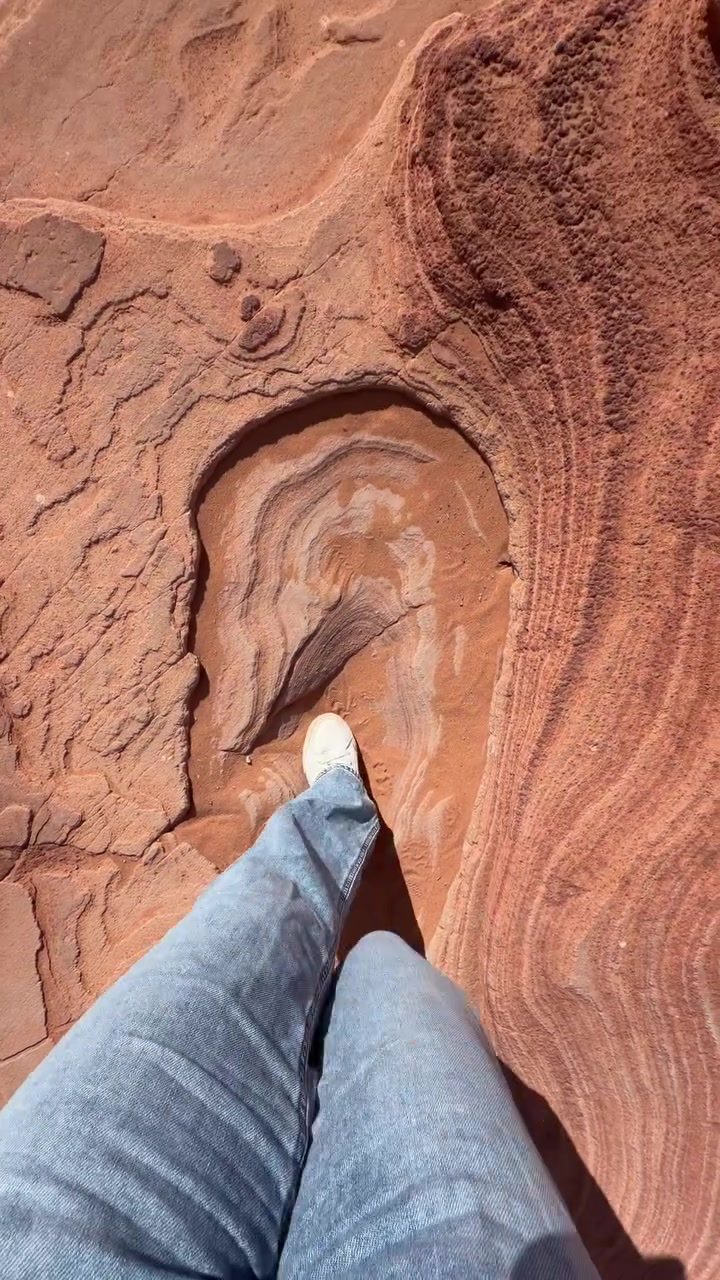
Grand Canyon Views: A Journey to Another Planet
Horseshoe Bend, Arizona, is a place that feels like stepping onto another planet. With its breathtaking views and unique rock formations, it's no wonder that travelers from all over the world flock to this location.
The Grand Canyon is one of the most iconic natural wonders in the world. Located in Arizona, it stretches 277 miles long, up to 18 miles wide, and over a mile deep. The canyon is carved by the Colorado River, which has been steadily eroding the rock for millions of years. The result is a landscape of stunning beauty, with layered rock formations that tell the story of Earth's geological history.
Context: Why This Place Matters
The Grand Canyon is not just a place of natural beauty; it holds significant cultural and historical importance. Native American tribes, including the Havasupai, Hualapai, and Navajo, have lived in and around the canyon for centuries. Their rich cultural heritage is intertwined with the landscape, adding a layer of depth to the experience of visiting the canyon.
For outdoor enthusiasts, the Grand Canyon offers a multitude of activities. From hiking and camping to rafting and helicopter tours, there are endless ways to explore this vast and diverse landscape. Whether you're a seasoned adventurer or a casual traveler, the Grand Canyon has something to offer everyone.
Main Discussion
The Geology of the Grand Canyon
The Grand Canyon's layered rock formations are a geological wonder. Each layer tells a story of a different era, from the Precambrian to the Cenozoic. The oldest rocks at the bottom of the canyon are nearly 2 billion years old, while the youngest layers at the top are around 270 million years old. This geological timeline is visible in the canyon's walls, offering a unique opportunity to study Earth's history.
The Colorado River, which flows through the canyon, has played a crucial role in shaping its landscape. Over millions of years, the river has carved through the rock, creating the deep, winding gorge we see today. The river's relentless erosion has exposed the canyon's layers, making it a prime location for geological study.
The Natural Beauty of the Grand Canyon
The Grand Canyon's natural beauty is unparalleled. The winding river, layered rock formations, and vast expanses of untouched wilderness create a landscape that is both awe-inspiring and humbling. The canyon's diverse ecosystem supports a variety of plant and animal life, making it a haven for wildlife enthusiasts.
The best time to visit the Grand Canyon depends on your preferences. Spring and fall offer mild temperatures and fewer crowds, making them ideal for hiking and camping. Summer can be hot, but it's also the peak tourist season, with plenty of activities and events. Winter, on the other hand, can be cold and snowy, but it offers a unique and serene experience.
The Cultural Significance of the Grand Canyon
The Grand Canyon's cultural significance cannot be overstated. For centuries, Native American tribes have called this land home, and their stories and traditions are deeply rooted in the canyon's landscape. Today, visitors can learn about these rich cultural heritages through guided tours, cultural programs, and exhibits at the Grand Canyon National Park.
Practical Tips
Best Times to Visit
The best time to visit the Grand Canyon depends on your interests and preferences.
- For mild temperatures and fewer crowds, consider visiting in spring (March to May) or fall (September to November).
- Summer (June to August) is the peak tourist season, but it can be hot. If you're planning to hike, be sure to bring plenty of water and sunscreen.
- Winter (December to February) can be cold and snowy, but it offers a unique and serene experience.
Essential Gear
When visiting the Grand Canyon, it's essential to be prepared with the right gear. Here are some must-haves:
- Sturdy hiking boots: The trails can be rugged and uneven, so a good pair of hiking boots is essential.
- Water: Stay hydrated, especially in the summer months. Bring plenty of water and consider using a hydration pack.
- Sunscreen: Protect your skin from the sun's harmful rays. Choose a broad-spectrum sunscreen with at least SPF 30.
- Layers: The temperature can vary, so dress in layers. A lightweight jacket, long-sleeved shirt, and hat can provide protection from the sun and wind.
- Camera: Capture the stunning views and memorable moments with a good camera. A zoom lens can help you get up close and personal with the canyon's wildlife and landscapes.
Important Takeaways
The Grand Canyon is a place of unparalleled beauty and significance. Its geological wonders, diverse ecosystem, and rich cultural heritage make it a must-visit destination. Whether you're a seasoned adventurer or a casual traveler, the Grand Canyon has something to offer everyone. From hiking and camping to rafting and helicopter tours, there are endless ways to explore this vast and diverse landscape.
Conclusion
Stepping onto the landscape of Horseshoe Bend, Arizona, truly feels like stepping onto another planet. The unique rock formations, winding river, and vast expanses of untouched wilderness create a landscape that is both awe-inspiring and humbling. The Grand Canyon's geological wonders, diverse ecosystem, and rich cultural heritage make it a must-visit destination for travelers from all over the world.
Watch the Reel
Questions readers ask
How do I get to Horseshoe Bend from the Grand Canyon?
Horseshoe Bend is located about 65 miles from the Grand Canyon. You can reach it by driving south from the Grand Canyon village and along the 67 highway. It will take approximately 1.5 hours to drive. The drive is approximately 1.5 hours and will take you through the city of Page, Arizona.
What are the best times to visit Horseshoe Bend?
The best times to visit Horseshoe Bend are during sunrise or sunset. During these times, the light creates a dramatic display of colors on the rock formations. It is also cooler during these times, making the hike more comfortable.
Is there a fee to enter Horseshoe Bend?
There is no specific fee to enter Horseshoe Bend. However, if you are coming from the Grand Canyon National Park, you will need to pay the park entrance fee. The fee is not specific to Horseshoe Bend, but it allows access to the park. If you are coming from the city of Page, Arizona, there is no fee.
How long does it take to hike to Horseshoe Bend?
The hike to Horseshoe Bend is about 1.5 miles round trip. It takes approximately 30 minutes to reach the overlook from the parking lot. The trail is relatively easy, but it does have a steep drop-off at the end. Be sure to take precautions and keep a safe distance from the edge.
What should I bring for a day trip to Horseshoe Bend?
You should bring plenty of water, sun protection, and sturdy shoes. The trail can be dusty and rocky, so good footwear is essential. Also, bring a camera to capture the stunning views and consider packing a snack or lunch to enjoy at the scenic viewpoint. Be sure to check the weather and bring layers as temperatures can vary.
Can I take a guided tour to Horseshoe Bend?
Yes, there are several guided tour options available for visiting Horseshoe Bend. Many tours depart from Las Vegas and include transportation and a guide. These tours often include additional stops at other natural attractions in the area, making it a convenient way to experience Horseshoe Bend and other sights.
Related deep dives
Similar reads based on topic and creator.



Recent articles
Fresh deep dives from the latest Reels we unpacked.




Comments
Be the first to comment.