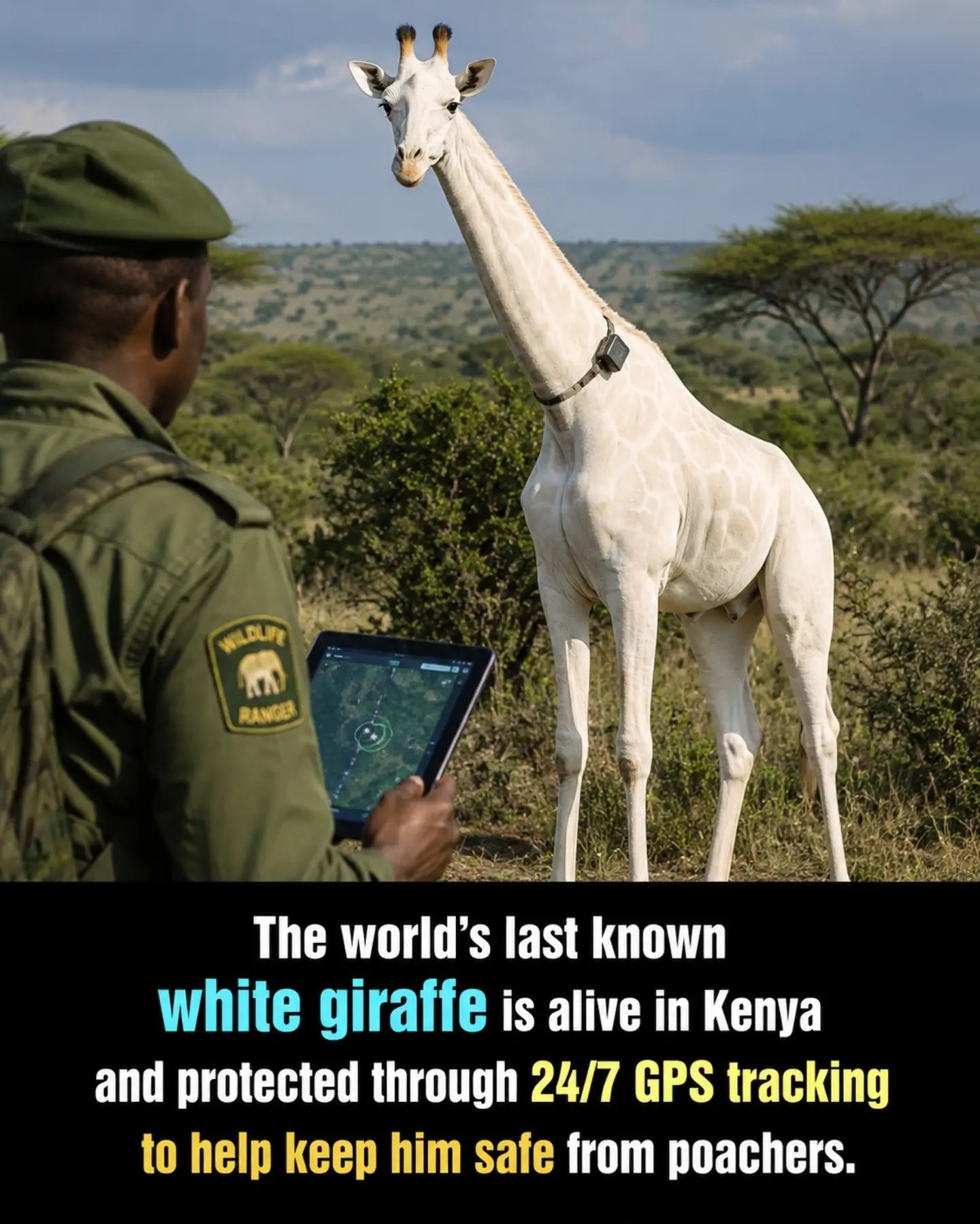
GPS trackers are a key component of wildlife conservation, especially for species under threat from poaching, habitat loss, and other environmental challenges. These devices provide real-time data and monitoring capabilities that enable conservationists to safeguard endangered animals, like the world's last known white giraffe in Kenya.
Why This Matters
The white giraffe in Kenya is a rare and unique animal, making conservation efforts especially critical. GPS trackers have become essential for protecting this and other endangered species. By providing around-the-clock monitoring, these devices help prevent poaching and ensure the safety of animals facing numerous threats. In a world where many species are on the brink of extinction, such technology offers hope for preserving biodiversity.
Main Discussions
The Role of GPS Trackers in Wildlife Conservation
GPS trackers are invaluable tools for conservationists. These devices are typically small and lightweight, making them suitable for attachment to various species without significantly impacting their behavior or well-being. The trackers collect data on the animal's movements, habitat use, and interactions with other species. This information is crucial for understanding the animal's behavior and developing effective conservation strategies.
How GPS Trackers Work
GPS trackers use satellite signals to determine the exact location of the animal. The data is transmitted to a central monitoring system, often accessed via a tablet or computer. This allows rangers and conservationists to monitor the movements of protected animals in real-time, providing immediate alerts if an animal strays into dangerous areas or if poaching activity is detected nearby.
Preventing Poaching
One of the primary benefits of GPS tracking is its role in preventing poaching. Poaching is a significant threat to many endangered species, driven by illegal wildlife trade and habitat destruction. By tracking the movements of animals, conservationists can quickly respond to potential poaching threats and intervene before harm occurs. For example, The world’s last known white giraffe in Kenya is protected 24/7 with GPS tracking, helping to keep it safe from poachers.
The Importance of Real-Time Monitoring
Real-time monitoring is essential for effective wildlife conservation. Unlike traditional methods that rely on periodic checks or patrols, GPS tracking provides continuous data. This allows for immediate action when threats are detected, ensuring the safety of endangered species.
Benefits of 24/7 Protection
24/7 protection is crucial for species under constant threat. For the white giraffe in Kenya, continuous monitoring ensures that rangers can respond to any potential danger immediately. This level of protection is vital for species that are the last of their kind, as is the case with the world's last known white giraffe. The tracker attached to its neck allows for constant vigilance, significantly reducing the risk of poaching and other threats.
Conservation Strategies
GPS trackers are just one component of a broader conservation strategy. They are often used in conjunction with other measures, such as habitat restoration, anti-poaching patrols, and community engagement. Together, these strategies create a comprehensive approach to protecting endangered species.
Habitat Restoration
Habitat restoration is crucial for the long-term survival of endangered species. By protecting and restoring natural habitats, conservationists can ensure that animals have the resources they need to thrive. GPS trackers can help identify key habitats that need protection, guiding restoration efforts in the right direction.
Community Engagement
Engaging local communities is another critical aspect of conservation. Local communities often have valuable knowledge about the wildlife in their area and can play a vital role in protecting these species. GPS tracking data can be shared with communities to educate them about the importance of conservation and encourage their participation in protection efforts.
Practical Tips
When it comes to using GPS trackers in wildlife conservation, there are several practical tips to keep in mind. These tips can help ensure that the technology is used effectively and that the animals being tracked remain safe and healthy.
Choosing the Right GPS Tracker
Selecting the right GPS tracker is essential. The device should be lightweight and durable, able to withstand the rigors of the animal's environment. It should also have a long battery life and reliable data transmission capabilities. Additionally, the tracker should be attached in a way that minimizes discomfort for the animal.
Training and Skill
Effective use of GPS trackers requires training and skill. Conservationists and rangers must be trained in how to attach the trackers, monitor the data, and respond to alerts. Regular training sessions can help ensure that these skills remain up-to-date and that the technology is used effectively.
Regular Maintenance
Regular maintenance of GPS trackers is essential for ensuring their reliability. This includes checking the battery life, updating the software, and ensuring that the device is still securely attached to the animal. Regular maintenance helps prevent data loss and ensures that the tracker continues to function effectively.
Important Takeaways
GPS trackers are a crucial tool in wildlife conservation, providing real-time monitoring and protection for endangered species. For the world's last known white giraffe in Kenya, GPS tracking offers 24/7 protection, significantly reducing the risk of poaching and other threats. By using GPS trackers in conjunction with other conservation strategies, such as habitat restoration and community engagement, conservationists can develop a comprehensive approach to protecting endangered species.
Conclusion
In conclusion, GPS trackers play a vital role in wildlife conservation, offering a powerful tool for protecting endangered species. By providing real-time monitoring and protection, these devices help ensure the survival of species facing numerous threats. For the last known white giraffe in Kenya, GPS tracking is a lifeline, offering 24/7 protection and reducing the risk of poaching. By embracing this technology and combining it with other conservation strategies, we can work towards a future where endangered species thrive.
Watch the Reel
Questions readers ask
How does GPS tracking help in protecting endangered species like the white giraffe in Kenya?
GPS tracking enables real-time monitoring of endangered species, allowing conservationists to keep a constant eye on the animals' movements and habitats. This helps in preventing poaching and ensures that the giraffes are safe from various environmental threats. It also provides valuable insights into the behavioral patterns of these animals.
What specific threats does the white giraffe in Kenya face?
The last known white giraffe in Kenya is threatened by habitat loss, poaching, and other environmental challenges. These threats make conservation efforts especially critical for the survival of this unique and rare species.
How do GPS trackers aid in anti-poaching efforts?
GPS trackers provide around-the-clock surveillance, which helps conservationists to monitor the movement of endangered species and detect any unusual activities that might indicate poaching. This real-time data allows for quick responses to potential threats, thereby protecting the animals more effectively.
What kind of data do GPS trackers provide for wildlife conservation?
GPS trackers provide real-time data on the location, movement patterns, and habitat use of tracked animals. This information is crucial for understanding the animals' behaviors, identifying critical habitats, and developing effective conservation strategies to protect endangered species.
Why is the white giraffe in Kenya considered a unique animal?
The white giraffe in Kenya is unique due to its rare genetic mutation that results in a lighter coat color. This distinct appearance makes it a symbol of conservation efforts and highlights the importance of protecting unique and endangered species.
How do conservationists use GPS tracking to protect habitats?
By monitoring the movements of endangered species like the white giraffe, conservationists can identify and protect critical habitats. This information helps in implementing measures to safeguard these areas from threats such as deforestation, urbanization, and human-wildlife conflict.
Related deep dives
Similar reads based on topic and creator.


Recent articles
Fresh deep dives from the latest Reels we unpacked.




Comments
Be the first to comment.