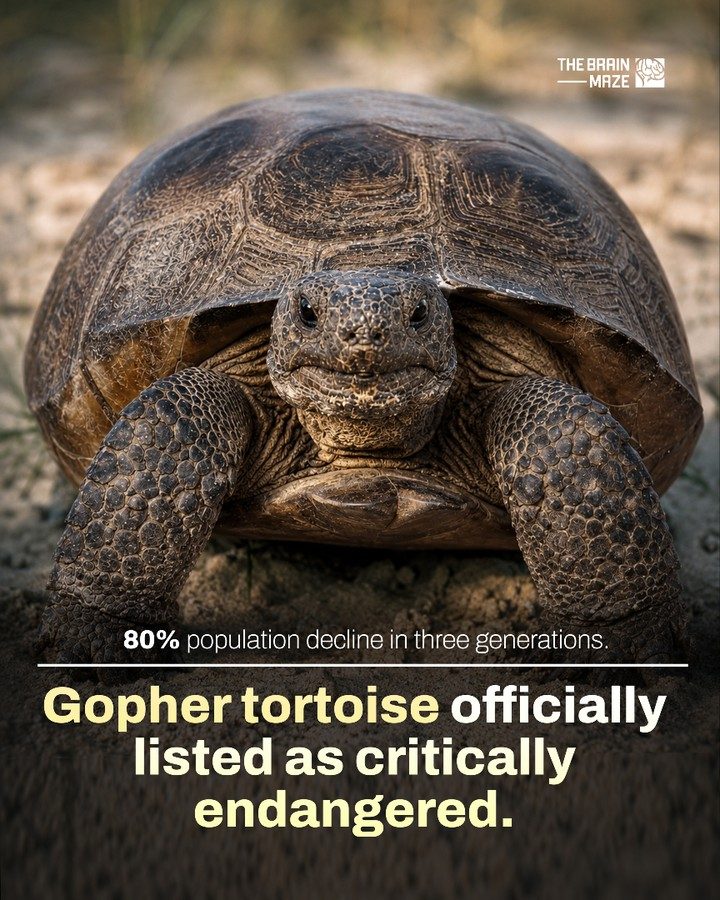
The Gopher Tortoise: A Critically Endangered Species in the Southeastern United States
The gopher tortoise, a key species in the southeastern United States, is facing a dire situation. Over the past three generations, its population has plummeted by about 80%, leading to it being classified as Critically Endangered. This dramatic decline is driven by a multitude of factors, including habitat loss, development, disease, invasive species, and human activity. Habitat protection has emerged as a critical priority in conservation efforts to save this species.
Why This Matters
The gopher tortoise is more than just another endangered species; it plays a pivotal role in its ecosystem. Known for its burrowing habits, the gopher tortoise creates habitats for numerous other species, earning it the title of a "keystone species." These burrows provide shelter and refuge for at least 360 other species, including mammals, reptiles, amphibians, birds, and invertebrates. The loss of the gopher tortoise would therefore have cascading effects on the broader ecosystem.
The Threats to the Gopher Tortoise
Habitat Loss and Development
One of the primary threats to the gopher tortoise is habitat loss due to urban and agricultural development. As human populations expand, natural habitats are cleared to make way for housing, roads, and farmland. This destruction not only reduces the available living space for the tortoises but also disrupts the ecosystem they rely on for survival.
Disease
Disease is another significant factor contributing to the decline of the gopher tortoise. Upper respiratory tract disease (URTD), caused by the bacteria Mycoplasma agassizii, is particularly devastating. This disease can spread rapidly among tortoise populations, leading to high mortality rates. Efforts to control and treat URTD are ongoing, but the challenge is compounded by the tortoises' low immune response to antibiotics.
Invasive Species
Invasive species pose a serious threat to native wildlife, including the gopher tortoise. Non-native plants and animals compete with native species for resources, alter habitats, and can even prey on native species. Invasive species like the feral pig, for example, can destroy tortoise burrows, making it difficult for the tortoises to find shelter and reproduce.
Human Activity
Human activities such as off-road vehicle use, recreational activities, and intentional harm also contribute to the decline of the gopher tortoise. These activities can directly harm tortoises or destroy their habitats, making it harder for them to survive and reproduce.
Conservation Efforts
Habitat Protection
One of the most critical conservation efforts is the protection and restoration of the gopher tortoise's natural habitat. This involves creating and enforcing regulations to limit development in key areas, as well as restoring degraded habitats. Conservationists are working to ensure that the tortoises have safe and secure places to live and thrive.
Disease Management
Efforts to manage and control diseases like URTD are also a priority. This includes research into effective treatments and vaccines, as well as monitoring and controlling the spread of the disease. Veterinarians and wildlife biologists are collaborating to develop strategies to reduce the impact of URTD on tortoise populations.
Public Awareness and Education
Raising public awareness about the plight of the gopher tortoise is essential for its survival. Educating the public about the importance of the species, the threats it faces, and how they can help is a key component of conservation efforts. Community involvement and support are crucial for the success of these initiatives.
Captive Breeding Programs
Captive breeding programs have been established to supplement wild populations. These programs aim to breed and raise tortoises in controlled environments before reintroducing them into the wild. This helps to boost population numbers and genetic diversity, increasing the chances of long-term survival.
Practical Tips for Supporting Gopher Tortoise Conservation
If you live in an area where gopher tortoises are present, there are several practical steps you can take to support their conservation:
Be Mindful of Your Surroundings
When enjoying outdoor activities, be mindful of the environment around you. Stay on designated trails, avoid driving or riding off-road vehicles in tortoise habitats, and be cautious when handling or disturbing natural habitats.
Report Sightings
If you see a gopher tortoise, report the sighting to local wildlife authorities. This helps conservationists track populations and monitor the health of tortoise habitats.
Support Conservation Organizations
Support organizations that are working to protect the gopher tortoise and its habitat. This can include donating money, volunteering your time, or participating in fundraising events.
Educate Others
Spread the word about the plight of the gopher tortoise and the importance of conservation. The more people who understand the issues, the more support there will be for efforts to protect this critical species.
Important Takeaways
The Gopher Tortoise's Role in the Ecosystem
The gopher tortoise is more than just an endangered species; it is a crucial part of the ecosystem. Its burrows provide shelter for numerous other species, making it a keystone species whose loss would have far-reaching effects.
The Need for Immediate Action
The gopher tortoise's population decline is alarming, and immediate action is needed to protect its habitat, manage disease, and control invasive species. Public awareness, support, and participation are essential for the success of conservation efforts.
The Importance of Habitat Protection
Habitat protection and restoration are top priorities in the conservation of the gopher tortoise. Ensuring that these animals have safe and secure places to live is crucial for their survival.
Conclusion
The gopher tortoise, a key species in the southeastern United States, is facing a critical threat. With an 80% decline in its population over three generations, it is now classified as Critically Endangered. The primary drivers of this decline include habitat loss, disease, invasive species, and human activity. Conservation efforts, including habitat protection, disease management, public awareness, and captive breeding programs, are essential for the survival of this species. By taking practical steps to support these efforts, we can help ensure that the gopher tortoise continues to thrive in its natural habitats for future generations.
Watch the Reel
Questions readers ask
What are the primary reasons behind the 80% population decline of gopher tortoises over the past three generations?
The primary reasons for the dramatic population decline of gopher tortoises include habitat loss due to urban development and agriculture, the spread of diseases like upper respiratory tract disease, competition from invasive species, and various forms of human activity that disrupt their habitats and burrowing sites.
How does the decline of the gopher tortoise affect other species in the southeastern U.S.?
The gopher tortoise is a keystone species, meaning its activities and habitats significantly benefit other wildlife. The decline of gopher tortoises impacts hundreds of other animals that rely on their burrows for shelter, nesting, and foraging, making the conservation of gopher tortoises essential for maintaining biodiversity in the region.
What are some of the key conservation efforts aimed at saving the gopher tortoise?
Conservation efforts to save the gopher tortoise include habitat protection and restoration, disease management, controlling invasive species, and reducing human disturbance. These efforts often involve collaboration between wildlife agencies, landowners, and conservation organizations to preserve and manage critical habitats.
How can individuals contribute to gopher tortoise conservation efforts?
Individuals can contribute by supporting organizations that focus on protecting gopher tortoise habitats, advocating for policies that promote wildlife conservation, and being mindful of their actions in areas where gopher tortoises live, such as avoiding disturbance to burrows and reporting sightings to local wildlife authorities.
What are the most significant threats to gopher tortoise habitats?
The most significant threats to gopher tortoise habitats include urban and agricultural development, which lead to habitat destruction and fragmentation, as well as the introduction of invasive species that compete with gopher tortoises for resources and alter their habitat.
What role do gopher tortoise burrows play in the ecosystem, and how does their decline impact the environment?
Gopher tortoise burrows provide crucial habitats for more than 350 other species, including mammals, birds, reptiles, and amphibians, offering shelter and nesting sites. The decline of gopher tortoises means fewer burrows, leading to a loss of these critical resources and negatively impacting the overall health and diversity of southeastern U.S. ecosystems.
Related deep dives
Similar reads based on topic and creator.


Recent articles
Fresh deep dives from the latest Reels we unpacked.




Comments
Be the first to comment.