Semantic SEO and Google’s Simplification of Search Results
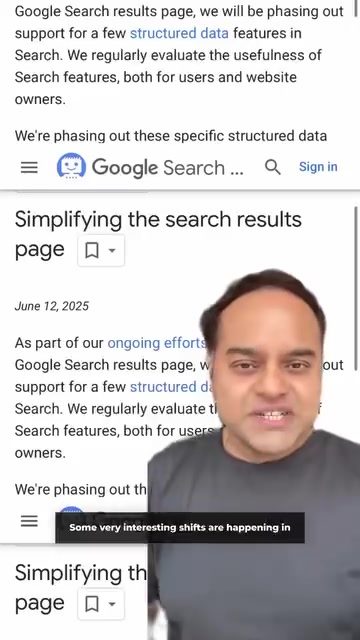
Google's recent update to its search results page has significant implications for SEO. The search giant is simplifying its results pages by discontinuing support for certain types of structured data. This shift signals a broader move towards semantic SEO, where the focus is on understanding the meaning and context of content rather than relying on specific tags or keywords.
Context
Google’s search results page has long been a battleground for SEO specialists. Structured data, a type of code embedded in websites, has been crucial in helping Google understand and display content more effectively. This structured data can show up in search results as star ratings, FAQs, course details, and more. However, Google has recently announced that it is phasing out support for specific structured data types, such as EstimatedSalary, CourseInfo, and ClaimReview. This change is part of a broader trend where Google’s algorithms are becoming more sophisticated, allowing them to understand content without the need for explicit labeling.
What is Structured Data?
Structured data is a piece of code that helps Google and other search engines understand the content on a webpage better. This data can include information like star ratings, course details, and frequently asked questions. By using structured data, websites can enhance their visibility in search results, making it easier for users to find relevant information quickly.
Structured data has been particularly useful for certain types of content. For example, when searching for a course, Google used to show results that included an image of the course, the course name, and the price. Similarly, automotive searches would display images of cars along with details like the price range. Job searches often included salary ranges directly in the search results. However, Google is now phasing out these specific structured data types, which means these enriched search results will no longer be available globally.
Google's decision to simplify its search results page by removing certain structured data types is driven by advancements in AI and machine learning. With these technologies, Google’s algorithms can now understand the intent and context of content more accurately, even without explicit labeling. This shift towards semantic SEO means that Google can extract relevant information from the actual content on a webpage, rather than relying on structured data to display details like course prices or job salaries.
The Rise of Semantic SEO
Semantic SEO is about helping search engines understand the actual meaning of your content, not just the keywords used. It involves covering topics deeply, using related entities and concepts, and structuring content in a way that answers real user intent. This approach is becoming increasingly important as search engines like Google become more adept at understanding the context and meaning of content.
What This Means for Your Content
With Google’s latest update, it’s clear that the focus is shifting away from technical tags and towards the actual content. Here are some practical tips to help you adapt to this change:
Write Clearly and Contextually
Avoid keyword stuffing and schema labeling. Instead, write naturally and ensure that your content clearly conveys the information you want to share. For example, if you’re talking about a course, mention the price and duration clearly in the text. Google’s AI can extract this information even if you didn’t use specific structured data.
Use Related Terms and Concepts
For a skincare brand, mention terms like “dermatologist tested,” “acne treatment,” and “retinol” to build topical relevance. This helps Google understand the context of your content better.
Structure Content Logically
Use headings, Q&A formats, bullet points, and other organizational tools to make your content easy to read and understand. This not only helps users but also makes it easier for Google’s AI to parse and understand your content.
Practical Tips
-
Focus on Content Quality: Ensure that your content is well-researched, comprehensive, and provides value to your readers. High-quality content is more likely to rank well in search results, regardless of structured data.
-
Use Natural Language: Write in a way that sounds natural and conversational. Avoid stuffing your content with keywords or technical tags. Google’s AI can understand the intent behind your content, so focus on making it readable and informative.
-
Optimize for AI: Use tools that help you understand how well your content is optimized for AI. Tools like Google’s Natural Language API can help you analyze your content and make improvements.
-
Stay Updated: Keep an eye on the latest trends and updates in the world of SEO. Google’s algorithms are constantly evolving, and staying informed will help you adapt your strategies accordingly.
Important Takeaways
- Google is moving towards semantic SEO: The search giant is focusing on understanding the context and meaning of content rather than relying on structured data.
- Focus on clear, natural content: Write in a way that is easy for both humans and AI to understand. Use related terms and concepts to build topical relevance.
- Structured data is still important: While Google is phasing out certain types of structured data, it’s still valuable for other types of content. Use it where it makes sense, but don’t rely on it exclusively.
Conclusion
Google’s simplification of its search results page is a significant shift in the world of SEO. By moving away from certain types of structured data, Google is emphasizing the importance of semantic SEO. This means that the focus is now on understanding the context and meaning of content, rather than relying on technical tags or keywords. As a content creator, it’s essential to adapt to this change by focusing on high-quality, well-structured content that clearly conveys your message. By doing so, you can ensure that your content remains visible and relevant in search results.
Watch the Reel
Questions readers ask
What is semantic SEO and why is it important with Google’s recent updates?
Semantic SEO focuses on the meaning and context of content, rather than specific keywords or tags. With Google’s recent updates, understanding and optimizing for semantic SEO is crucial because Google is shifting towards a more contextually aware search engine, which means websites need to ensure their content is well-structured and meaningful to rank well.
How does the simplification of Google’s search results impact SEO strategies?
The simplification of Google’s search results means that certain structured data types are being phased out, which changes how websites should be optimized. Instead of relying heavily on structured data, SEOs need to focus more on creating high-quality, contextually relevant content that Google can easily understand and rank.
What types of structured data are being phased out by Google?
Google is discontinuing support for certain types of structured data, such as those that display FAQs, course details, and other specific data types in search results. This move is part of the broader shift towards semantic SEO, where the emphasis is on the overall understanding of content rather than specific tags.
How can I optimize my website for semantic SEO?
To optimize for semantic SEO, focus on creating comprehensive, high-quality content that naturally incorporates relevant keywords and phrases. Ensure your content is well-structured with clear headings, meta descriptions, and alt tags. Use tools like Google’s Natural Language API to understand how your content is perceived by search engines.
What is the difference between traditional SEO and semantic SEO?
Traditional SEO often relies on keyword stuffing and specific structured data to improve search rankings. In contrast, semantic SEO focuses on the overall meaning and context of content. This means creating content that provides value to readers and is naturally optimized for search engines, rather than relying on specific tags or tricks.
What should I do if my website relies heavily on structured data that is being phased out?
If your website relies on structured data that is being phased out, start by auditing your content to identify areas that need improvement. Focus on creating more comprehensive, contextually relevant content that can rank well without relying on specific structured data types. Ensure your content is well-organized and user-friendly.
Related deep dives
Similar reads based on topic and creator.




Recent articles
Fresh deep dives from the latest Reels we unpacked.




Comments
Be the first to comment.