The Masai Mara Migration: A Natural Phenomenon of Massive Proportions
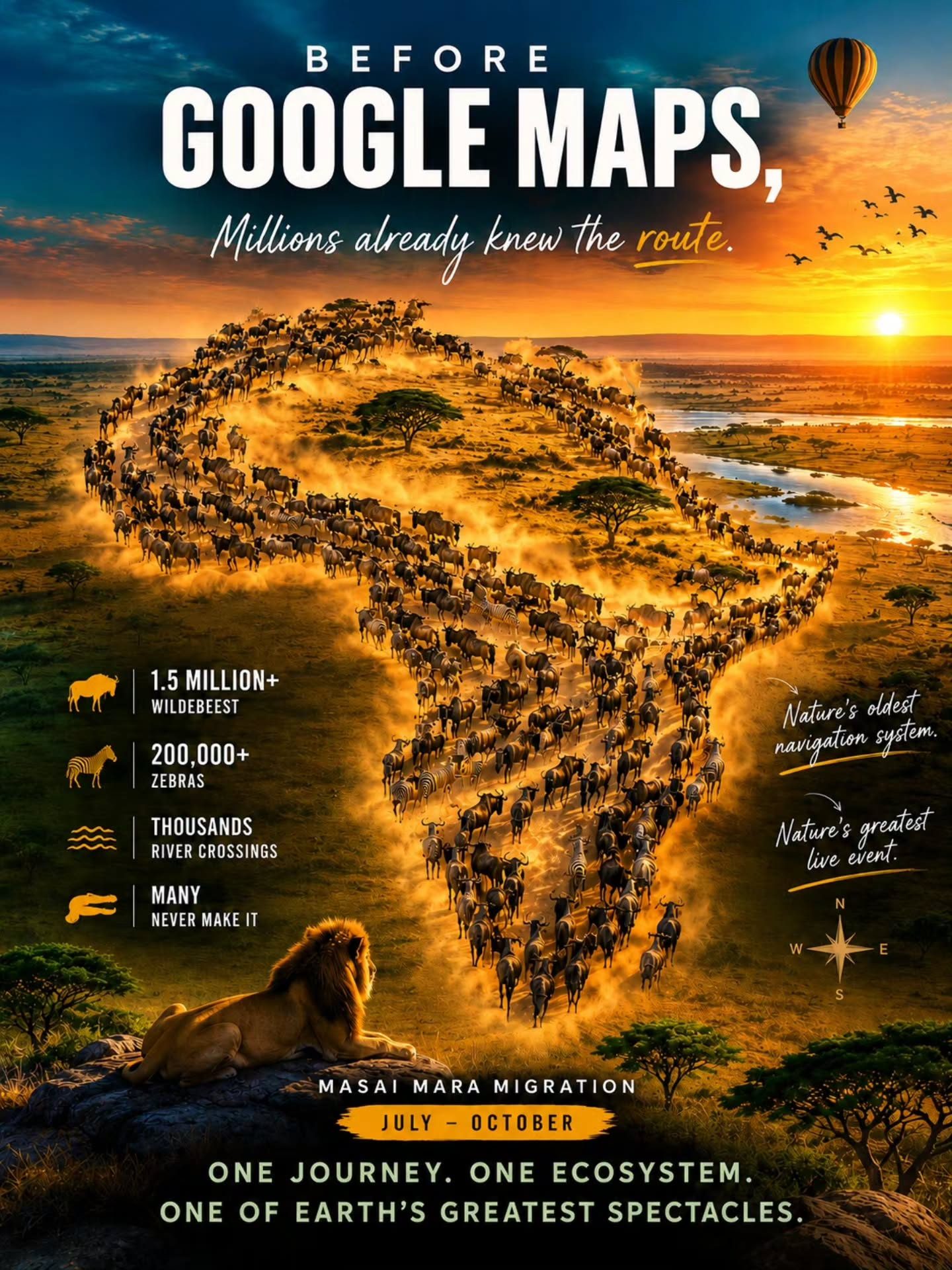
The Masai Mara migration is one of the most awe-inspiring spectacles in the natural world. Every year, from July to October, over a million and a half wildebeest, along with 200,000 zebras, gather the strength and courage to make a journey across vast distances. This migration is a testament to the resilience and adaptability of these animals, and it showcases the intricate balance of nature's ecosystem.
Why This Matters
The Great Migration is not just a spectacle; it is a critical part of the ecosystem. The journey these animals undertake has a profound impact on the landscape and the species that inhabit it. Understanding this migration helps us appreciate the delicate balance of nature and the importance of conservation efforts.
The Scale of the Migration
The sheer scale of the Masai Mara migration is staggering. Millions of wildebeest and zebras traverse hundreds of miles, facing numerous challenges along the way. The journey involves crossing treacherous rivers, dodging predators, and enduring harsh weather conditions. Throughout this journey, thousands of river crossings occur, each one a perilous event that tests the survival instincts of these animals.
The Challenges Faced
The migration is fraught with danger. Many animals do not make it to the end of the journey. Predators such as lions, cheetahs, and crocodiles lie in wait, ready to take advantage of the weakened or separated animals. The river crossings are particularly hazardous, as the strong currents and predatory animals make these crossings life-or-death struggles for many participants. Despite the risks, the animals continue, driven by an instinctual need to find greener pastures and fresh water.
The Ecological Impact
The migration has a significant ecological impact on the Masai Mara region. As the herds move, they graze on the grasslands, fertilizing the soil with their droppings and trampling the ground, which helps distribute nutrients and seeds. This process is crucial for maintaining the health of the ecosystem and ensuring that the grasslands remain a productive habitat for a variety of species.
The Migration Route
The Masai Mara migration is a complex and carefully choreographed journey. It begins in the Serengeti National Park in Tanzania and ends in the Masai Mara National Reserve in Kenya. The animals follow a well-worn path, driven by the need to find fresh water and greener pastures.
The Serengeti to the Masai Mara
The journey starts in the Serengeti, where the animals graze on the lush grasslands. As the dry season sets in, the herds begin their northward trek, driven by the search for fresh water and greener pastures. The journey is fraught with challenges, including river crossings and encounters with predators.
The River Crossings
One of the most dramatic and dangerous parts of the migration is the river crossings. The Mara River, in particular, is a formidable barrier. The river's strong currents and sharp banks pose a significant threat, and many animals do not survive the crossing. Despite the dangers, the animals continue, driven by an instinctual need to reach the greener pastures on the other side.
The Importance of Navigation
Navigation plays a crucial role in the success of the migration. The animals rely on their innate sense of direction and memory of previous journeys to guide them along the safest and most efficient routes. This natural navigation system is one of the most sophisticated and reliable in the animal kingdom, ensuring that the animals can complete their journey despite the numerous challenges they face.
Google Maps: a Human Parallel
While the animals rely on their innate navigation skills, humans have developed advanced tools to aid in navigation. Google Maps, for instance, is a powerful tool that helps humans navigate the world, much like the animals navigate their territory. Google Maps emphasizes the reliability and precision of modern navigation tools, showcasing how technology can assist in navigating even the most challenging journeys. This parallel illustrates the importance of reliable navigation tools, whether in the natural world or through human innovation.
Modern Navigation Tools
In the modern world, navigation tools like Google Maps have become indispensable. They help us navigate complex environments, from city streets to wilderness trails. Understanding the principles of navigation, both in the natural world and through modern technology, can enhance our appreciation for the intricate systems that guide us through our journeys.
Practical Tips for Observing the Migration
For those lucky enough to witness the Masai Mara migration, there are a few practical tips to enhance the experience. First, plan your trip during the peak migration season, from July to October. This ensures that you have the best chance of seeing the animals in action. Second, choose a reputable safari operator who knows the area well and can guide you to the best vantage points. Finally, be prepared for the unpredictable nature of the migration—conditions can change rapidly, so flexibility is key.
Best Times to See the Migration
The best time to see the migration is during the peak months of August and September. During this time, the animals are most active, and the river crossings are at their most dramatic. However, the migration can vary from year to year, so it's essential to stay informed and flexible.
Choosing the Right Safari
Choosing the right safari operator can make a significant difference in your experience. Look for operators with experienced guides who know the area well and can provide valuable insights into the migration. A good safari operator will also prioritize safety and comfort, ensuring that you have a memorable and enjoyable experience.
Equipment and Preparation
Proper equipment and preparation are essential for a successful safari. Invest in good binoculars and a quality camera to capture the wildlife in action. Additionally, dress in layers and bring sunscreen, a hat, and insect repellent to protect yourself from the elements. Being prepared will enhance your experience and allow you to fully appreciate the spectacle of the migration.
Important Takeaways
The Masai Mara migration is a testament to the resilience and adaptability of wildlife. It highlights the importance of conservation efforts and the need to protect these natural wonders. Understanding the migration provides valuable insights into the delicate balance of nature and the critical role that these animals play in their ecosystem.
Conclusion
The Masai Mara migration is a breathtaking display of nature's raw power and beauty. It is a reminder of the intricate balance of the ecosystem and the importance of conservation. Whether you are fortunate enough to witness it firsthand or simply appreciate it from afar, the Masai Mara migration is a spectacle that leaves a lasting impression. Understanding the migration, its challenges, and its ecological impact deepens our appreciation for the natural world and the incredible journeys that unfold within it.
Watch the Reel
Questions readers ask
What are the key species involved in the Masai Mara migration?
The Masai Mara migration primarily involves over a million and a half wildebeest and around 200,000 zebras. These two species undertake this massive journey annually, with their movements significantly impacting the ecosystem and the species that inhabit the region.
When does the annual wildebeest and zebra migration in the Masai Mara typically occur?
The annual migration in the Masai Mara typically takes place between July and October. During this period, the wildebeest and zebras make their journey across vast distances, showcasing their resilience and survival instincts.
What is the significance of the Masai Mara migration in the region's ecosystem?
The migration is a critical component of the Masai Mara's ecosystem. The journey of these animals has a profound impact on the landscape, influencing vegetation growth and providing food sources for predators. It highlights the delicate balance of the ecosystem and the importance of conservation efforts.
What is the Mara River crossing, and why is it notable during the Masai Mara migration?
The Mara River crossing is a dramatic and dangerous part of the migration where wildebeest and zebras must cross the swift and unpredictable Mara River. This event is notable for its high stakes and the challenges the animals face, including predators and strong currents, making it a thrilling yet perilous phase of their journey.
How can Google Maps help in navigating the Masai Mara during the migration?
Google Maps can be a valuable tool for navigating the Masai Mara, especially during the migration. It provides detailed routes, helps track the movement of wildlife, and offers insights into the best viewing spots. This makes it easier for visitors to plan their trips and witness the natural phenomenon firsthand.
What dangers do the animals face during the Masai Mara migration?
During the migration, animals face numerous dangers including predators such as lions, crocodiles, and cheetahs. Additionally, the journey involves crossing treacherous rivers and navigating through harsh terrain, making it a life-threatening trek for many of the creatures.
What is the role of conservation in the Masai Mara migration?
Conservation plays a vital role in protecting the Masai Mara migration. By preserving the natural habitats, promoting sustainable tourism, and mitigating human-wildlife conflicts, conservation efforts ensure that this natural spectacle continues. It also helps maintain the ecological health of the region and supports the survival of the species involved.
Related deep dives
Similar reads based on topic and creator.


Recent articles
Fresh deep dives from the latest Reels we unpacked.



Comments
Be the first to comment.