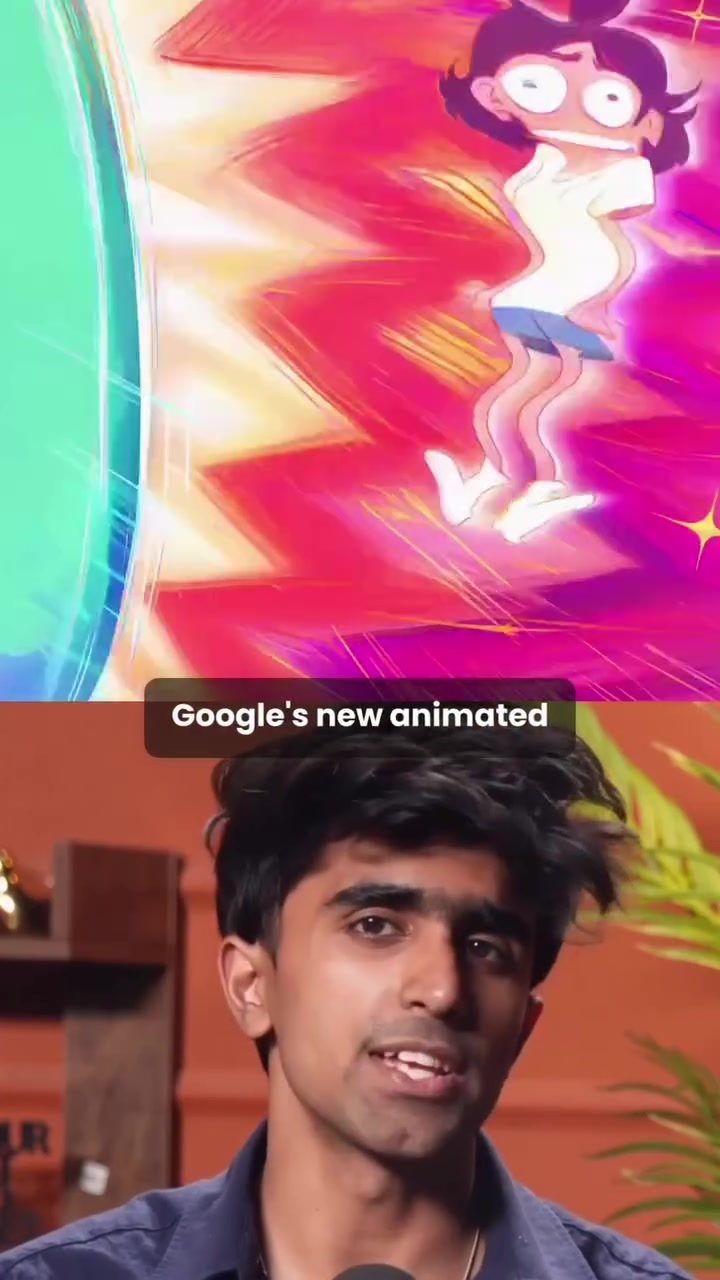
AI in Animated Filmmaking
The Sundance Film Festival recently premiered an AI-assisted animated short film, Dear Upstairs Neighbours, directed by Connie He and created in conjunction with researchers at Google DeepMind. This achievement marks a significant milestone in AI's role in cinema, showcasing the collaboration between AI and human artists in the visual storytelling domain.
Why This Matters
This project represents a significant turning point in the world of animation and filmmaking. AI in cinema has previously been viewed as a tool for streamlining tasks and potentially replacing human artists. However, Google DeepMind’s approach in this instance emphasizes collaboration rather than replacement. By blending traditional animation techniques with AI tools, this project demonstrates a new paradigm for creating visually compelling and emotionally resonant films.
Main Discussion
Collaboration Between AI and Human Creativity
One of the most remarkable aspects of Dear Upstairs Neighbours is the integration of human creativity with AI tools. Animators and DeepMind researchers worked side by side, allowing for a seamless blend of artistic vision and technological innovation. This collaboration ensures that the final product stands on par with traditional, human-made films in terms of storytelling, emotion, and visual style. The end result is an AI-assisted film that is not just a technological marvel, but a compelling piece of art in its own right.
Advanced AI Tools in Animation
Google DeepMind developed specialized AI models, such as Vio and Imagine, which were fine-tuned on custom hand-drawn artwork. This allowed the AI to preserve visual consistency and character integrity, ensuring that the film maintained a cohesive visual style throughout. The team also utilized video-to-video workflows, enabling artists to directly guide motion, timing, and emotion, something that pure text prompts could not achieve. This level of control gives artists the freedom to create nuanced and expressive animations, even when using AI tools.
Localized Refinement and Creativity
In addition to the advanced AI models, the team built localized refinement tools that allowed creators to edit specific regions of a scene without regenerating the entire shot. This level of granular control is crucial for animation, where precision and detail are paramount. Such tools empower artists to maintain their creative vision and execute it flawlessly, ensuring that the final product meets their high standards.
Practical Tips for Using AI in Animation
For those looking to integrate AI into their animation workflow, here are a few practical tips based on the insights from Dear Upstairs Neighbours:
Fine-Tuning AI Models
Customizing AI models with hand-drawn artwork is essential for preserving visual consistency in AI-assisted animation. By fine-tuning models like Vio and Imagine with custom artwork, animators can ensure that the AI tools respect the unique style and characteristics of their work.
Video-to-Video Workflows
Utilizing video-to-video workflows allows animators to directly guide the motion, timing, and emotion of their characters. This method provides a level of control that text prompts alone cannot achieve, making it an invaluable tool in the animator’s toolkit.
Localized Refinement
Investing in localized refinement tools can significantly enhance the animation process. These tools enable artists to make precise edits to specific regions of a scene without regenerating the entire shot, saving time and effort while maintaining the integrity of the original vision.
Important Takeaways
The success of Dear Upstairs Neighbours underscores several important points about AI in filmmaking:
Collaboration, Not Replacement
As demonstrated in Dear Upstairs Neighbours, AI can be a powerful tool for augmenting human creativity, not replacing it. This collaboration between AI and human artists can lead to innovative and compelling films that push the boundaries of storytelling and visual art.
The Power of Customization
Customizing AI models to fit specific artistic visions is crucial for creating high-quality animated films. Fine-tuning models with hand-drawn artwork and implementing video-to-video workflows ensure that the final product maintains the integrity and emotion of the original vision.
The Future of AI in Filmmaking
The film’s impressive reception at Sundance suggests that AI-assisted animation is not just a passing trend but a significant development in the filmmaking landscape. As technology continues to evolve, we can expect to see more innovative and collaborative projects that blend human creativity with AI tools.
Conclusion
The premiere of Dear Upstairs Neighbours at the Sundance Film Festival is more than just a milestone for AI in cinema—it’s a testament to the power of collaboration between human artists and advanced technology. The project demonstrates that AI can enhance creativity, preserve artistic vision, and create visually stunning and emotionally resonant films. As the future of AI in filmmaking unfolds, we can look forward to even more groundbreaking collaborations that push the boundaries of what’s possible in animation and storytelling.
Watch the Reel
Questions readers ask
Who directed the AI-assisted animated short premiered at Sundance?
The AI-assisted animated short, Dear Upstairs Neighbours premiered at Sundance, was directed by Connie He.
What is the significance of Dear Upstairs Neighbours' premiere at Sundance?
This premiere showcased how AI can support traditional animation techniques effectively, maintaining the emotional depth of storytelling in cinema.
What is the role of AI in this film, according to the article?
AI in Dear Upstairs Neighbours is used to support and augment traditional animation, emphasizing collaboration with human artists to enhance visual storytelling, rather than replacing human creativity.
What does this premiere signify for the future of AI in filmmaking?
The premiere of Dear Upstairs Neighbours at Sundance marks a pivotal moment in AI's role in filmmaking, moving towards a new era of human-AI collaboration in the industry.
What is the name of the research organization behind the AI technology used in Dear Upstairs Neighbours?
Google DeepMind is the research organization behind the AI technology utilized in the creation of the animated short film, Dear Upstairs Neighbours.
What is the main theme of the AI-assisted animated short Dear Upstairs Neighbours?
The main theme of Dear Upstairs Neighbours is about human-AI collaboration. It explores the relationship between individuality and conformity, as it is set in a world where all houses are identical and all neighbors are the same, except for one neighbor who is different.
Related deep dives
Similar reads based on topic and creator.

Recent articles
Fresh deep dives from the latest Reels we unpacked.




Comments
Be the first to comment.