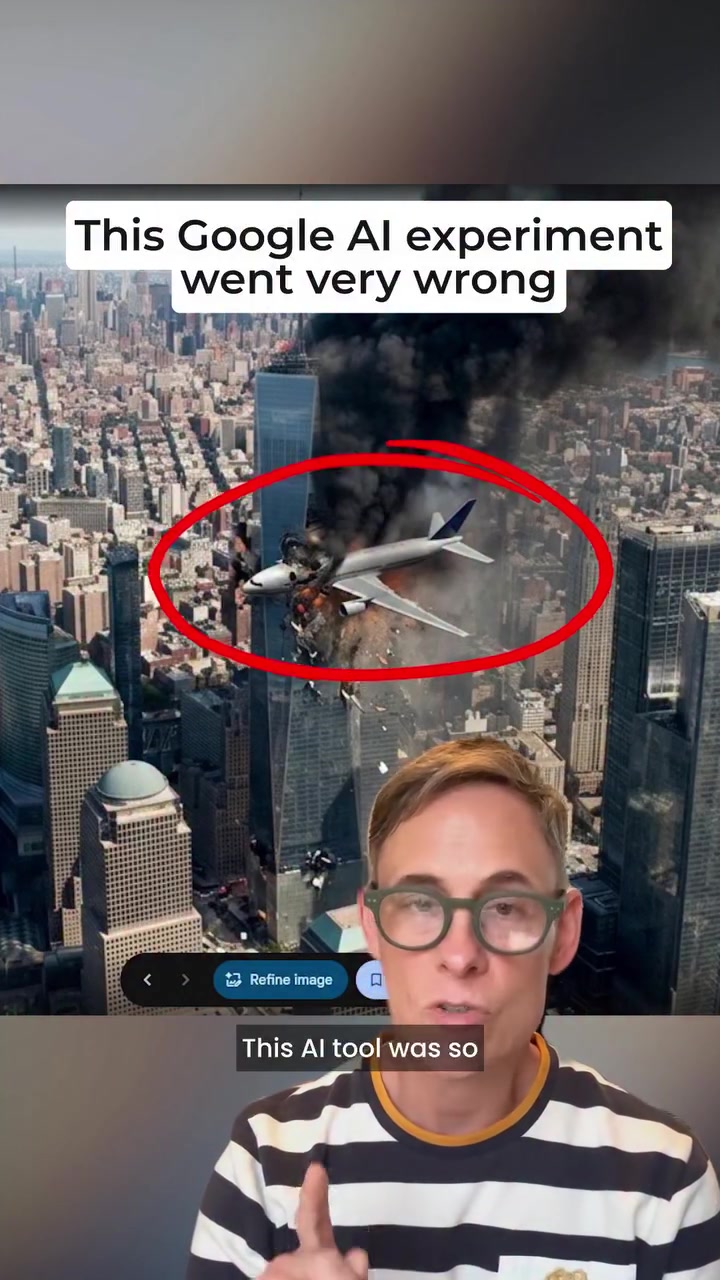
A Google experiment used artificial intelligence to alter satellite images—and someone created fake disaster scenes. The feature was pulled within 24 hours. The tool allowed users to add to Google Earth images via text prompts, but it was discontinued because misinformation could easily be spread.
What Was Google's Nano Banano 2?
The Nano Banano 2 was a new, experimental feature on Google Earth. It allowed anyone to edit real satellite imagery by using a simple text prompt. For example, users could generate images of fake floods, bomb craters, or refugee camps, placing them on top of a real location. The tool seemed harmless enough. The generated images were watermarked and never appeared in the public Google Earth experience. However, users could still screenshot and share the manipulated images online, misleading viewers as to the authenticity. This tool harnessed the power of generative AI to overlay images on satellite maps. The AI could understand simple commands to produce the images. The tools meant users could overlay their desired effects. The images could be of anything from natural disasters to military installations. It was designed to let people explore the capabilities of AI in a fun and simple way.
The Risks of AI on Real-World Maps
The Nano Banano 2 highlights the potential for artificial intelligence to be abused. People manipulated real satellite imagery to create fake, deceptive scenes. People could easily imagine how simple it would be for someone to create an image of a supposed disaster. This could then be passed off as real and spread through social media. Google recognized this potential for harm, and quickly deactivated the feature to avoid misuse. Google said that the images only appeared watermarked within the experimental tool. However, the real danger came from screenshots. Users could screenshot and share the images online without the watermark. This made it easier to spread misinformation. There is a potential for harm in people sharing doctored satellite images. AI could easily be abused to create convincing but fake information. The sharing of misinformation could have real consequences. Fake images of disasters could attract emergency services to the wrong locations. Alternatively, someone could create a fake image and share it with the intention to cause panic and spread fear.
The Nano Banano 2 in Use
Experimenting with Real and Imaginary Landscapes
The tool could also generate images of historical sites, creating realistic images of ancient ruins. People could use the tool to see what the world looked like at a particular time, or even create surreal images. For example, an unexpected image of New York City with a large frog character in the scene. The generated images were fairly realistic, showcasing the capabilities of the AI. It could generate aerial views of parks, images of ancient ruins, and cityscapes.
Limitations and Real-World Misuse
When used, the AI tool produced some concerning outcomes. For example, the tool was accidentally used to create an image of a plane crashing into a building. The resemblance to the World Trade Center on 9/11 was stark. It highlighted the potential for the tool to be abused to create highly disturbing images. The person reacting to the image highlighted the harm this tool could cause. Google pulled the feature and emphasized the need to develop stronger safeguards. They said that they are investigating further in order to mitigate the risks. The images were obviously not real. However, someone could screenshot and share the image online, causing panic and anxiety. Or someone could take a screenshot and use it to mislead others.
Plans for Future Experimentation
Google said they intended to work on stronger safeguards but did not explain when or how they'd proceed. The AI tools are still very new and developing. However, Google will need to find a way to make sure the images are clearly labeled as fake and cannot be shared or manipulated. The company must also develop ways to stop AI-driven misinformation from spreading. No clear plans have been outlined for future experimentation. However, there is a growing trend for people to want to develop and use AI tools. The Nano Banano 2 tool highlighted the tension between innovation and potential misuse. Google would need to better regulate the use of AI to stop the spread of misinformation.
No Quick Fixes to AI Misuse
There is no clear way to stop the misuse of AI tools. Google recognized the danger and acted quickly. However, they are working towards creating stronger safeguards. The AI tools are relatively new. There is still much to learn about how to control them. Research is ongoing to develop ways to stop misinformation and other risks, but it is not yet clear how soon practical solutions will be available. The event helps people understand the challenges that people and organizations face in an age of AI. Google engaged with an emerging trend of AI experimentation. The Nano Banano 2 tool was a step towards exploring how AI can be used. However, the potential for harm was clear. Google had to act quickly. The company's decision to shut down the tool showcases the risks of AI misuse.
Watch the Reel
Questions readers ask
What kind of tool was Nano Banano 2, and what could users do with it?
Nano Banano 2 was an experimental feature on Google Earth that allowed users to edit real satellite imagery using simple text prompts. Users could generate images of various scenarios, such as fake floods, bomb craters, or refugee camps, and overlay them on real locations. The tool was designed to explore the capabilities of AI in a fun and interactive way.
Why did Google have to shut down the Nano Banano 2 tool?
Google shut down the Nano Banano 2 tool because of the potential for misuse. People could easily create and share misleading images, which could spread misinformation and cause real-world harm. The tool was discontinued to prevent the spread of fake news and to avoid any potential damage from doctored satellite images.
How did the AI in Nano Banano 2 work, and what kind of images could it generate?
The AI in Nano Banano 2 used generative technology to understand and execute simple text commands. Users could generate a wide range of images, from natural disasters to military installations, and even surreal scenes like a frog character in New York City. The AI could produce realistic aerial views of parks, images of ancient ruins, and cityscapes.
Were there any limitations to what the Nano Banano 2 tool could do, and what were the concerns with its use?
The Nano Banano 2 tool could generate realistic images, but it also produced some concerning outcomes, like an image of a plane crashing into a building that resembled the 9/11 attacks. The main concern was the potential for misuse, where users could create and share doctored images to spread misinformation, causing panic or attracting emergency services to the wrong locations.
How could the misuse of Nano Banano 2 affect real-world situations?
The misuse of Nano Banano 2 could have serious real-world consequences. For example, fake images of disasters could attract emergency services to the wrong locations, wasting resources and potentially endangering lives. Additionally, doctored images could be used to spread fear and panic, causing social unrest or other harmful effects.
What measures did Google take to prevent the misuse of Nano Banano 2, and were they effective?
Google initially added a watermark to the generated images to indicate they were not real. However, users could still screenshot and share the images without the watermark, making it easy to spread misinformation. This led to Google shutting down the tool within 24 hours to prevent further misuse, but the damage had already been done.
Related deep dives
Similar reads based on topic and creator.
Recent articles
Fresh deep dives from the latest Reels we unpacked.

Comments
Be the first to comment.