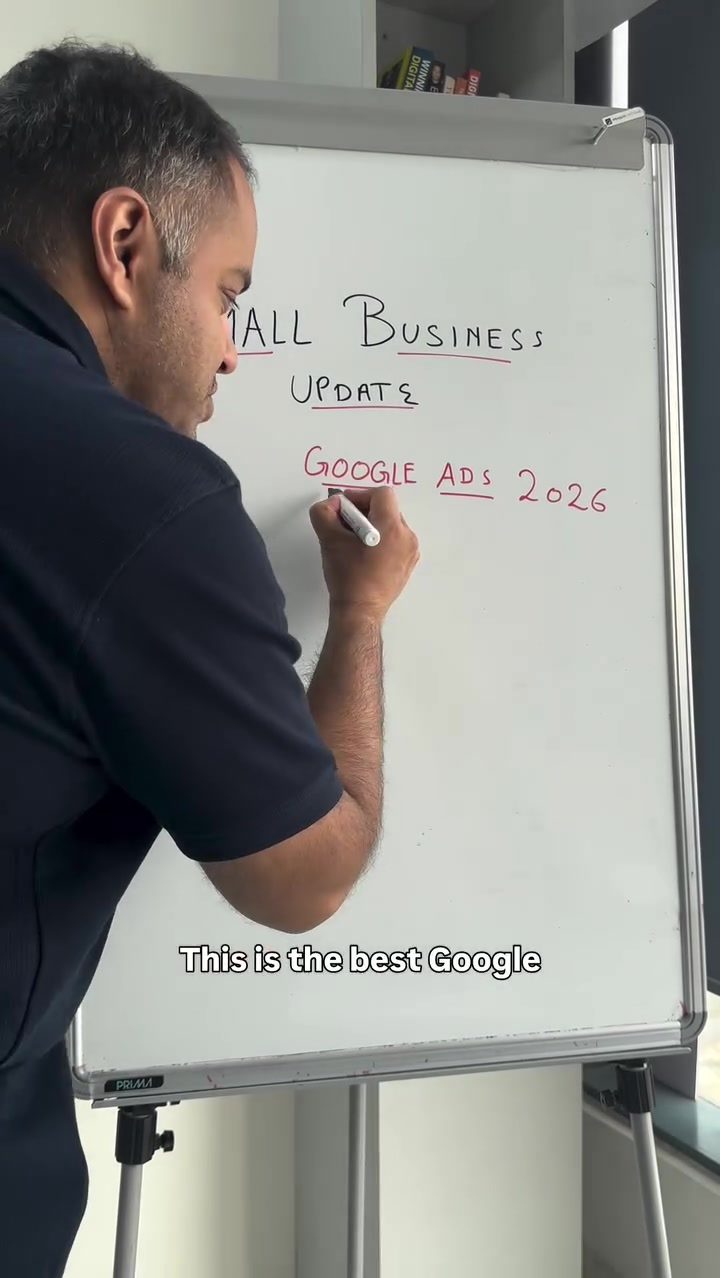
Google Ads Updates: Leveraging 2026 Changes
In 2026, Google Ads has introduced significant updates that are particularly beneficial for small businesses. Among these updates, one stands out as a game-changer: the ability to retarget website visitors on search, YouTube, and display platforms with as few as 100 engaged users in the last 30 days. This new threshold, down from the previous 1,000, opens up a wealth of opportunities for small businesses to maximize their marketing efforts.
Why This Matters
For small businesses, especially those in the direct-to-consumer (D2C) and services sectors, this update is a boon. The reduction in the minimum user requirement means that even smaller businesses can now take advantage of advanced retargeting strategies without waiting to build a large user base. This shift allows for more targeted and effective marketing campaigns, potentially leading to higher conversion rates and better return on investment.
Main Discussion
Understanding the Update
The core of this update lies in the ability to create cohorts of 100 website visitors and retarget them across multiple platforms. This is a significant change from the previous requirement of 1,000 users. For D2C businesses, this means you can now target potential customers who have shown interest in your products with precision. Similarly, service-based businesses can now generate leads more efficiently by targeting those who have recently engaged with your content or services.
The Impact on D2C Businesses
Direct-to-consumer businesses often face challenges in reaching potential customers cost-effectively. With this update, D2C businesses can create targeted ad campaigns on YouTube, search, and display platforms. This allows for more personalized marketing efforts, increasing the likelihood of converting interested visitors into paying customers. By focusing on a smaller but more engaged cohort, businesses can optimize their ad spend and achieve better results.
Enhancing Lead Generation for Service-Based Businesses
Service-based businesses can also benefit immensely from this update. Previously, the need to accumulate a large number of users before implementing retargeting strategies was a significant barrier. Now, with the ability to target 100 recent users, service-based businesses can generate leads more efficiently. This change allows for more rapid testing and iteration of marketing strategies, enabling businesses to adapt quickly to market trends and customer behavior.
Utilizing the Free Guide
The creator of this guide provides a resource to help businesses leverage this update effectively. By following the instructions provided, businesses can make the most of this new opportunity. The guide offers step-by-step instructions and strategies to implement these changes, ensuring that businesses can maximize their marketing efforts without getting overwhelmed by the intricacies of the update.
Practical Tips
Setting Up Retargeting Campaigns
-
Identify Your Cohort: Start by identifying the 100 most engaged users from the past 30 days. These could be users who have visited your website, signed up for a newsletter, or interacted with your content.
-
Create Targeted Ads: Develop ads that speak directly to the interests and needs of your identified cohort. Personalized messaging increases the likelihood of engagement and conversion.
-
Choose the Right Platforms: Decide whether to focus on YouTube, search, or display ads based on where your audience is most likely to engage. For example, if your audience is more visually oriented, YouTube or display ads might be more effective.
-
Monitor and Adjust: Continuously monitor the performance of your ad campaigns. Use the data to make informed adjustments, ensuring that your marketing efforts remain effective and efficient.
Optimizing for Success
-
A/B Testing: Conduct A/B tests to compare different ad creatives, messaging, and targeting strategies. This helps in identifying what works best for your audience.
-
Engage with Analytics: Use Google Ads analytics to track the performance of your campaigns. Pay attention to metrics like click-through rates, conversion rates, and cost per lead. These insights will help you optimize your future campaigns.
-
Leverage Remarketing Lists for Search Ads (RLSA): This feature allows you to target users who have previously visited your site with tailored search ads. This can significantly improve the effectiveness of your search campaigns.
Important Takeaways
The 2026 Google Ads update presents a significant opportunity for small businesses to enhance their marketing strategies. By leveraging the ability to retarget smaller cohorts, businesses can create more personalized and effective campaigns. This update democratizes advanced marketing techniques, allowing even the smallest businesses to compete effectively in the digital landscape.
Embracing the Change
Don't miss out on this opportunity to test the waters with Google Ads. Whether you're a D2C or service-based business, this update provides a unique chance to optimize your marketing efforts and drive growth. By following the practical tips and strategies outlined, you can make the most of this update and achieve better results for your business.
Continuing to Adapt
As Google continues to evolve its advertising platforms, staying updated with these changes is crucial. Regularly reviewing and adapting your marketing strategies based on the latest updates will help you stay ahead of the competition and achieve sustained growth.
Conclusion
The 2026 Google Ads update is a pivotal moment for small businesses. By lowering the threshold for retargeting, Google has made advanced marketing strategies accessible to even the smallest businesses. Whether you're in the D2C or service sector, this update presents a unique opportunity to enhance your marketing efforts and drive growth. Take advantage of this change, and don’t forget to leverage the available resources and practical tips to make the most of this update. Your business could see significant benefits from these new capabilities.
Watch the Reel
Questions readers ask
What is the significance of the Google Ads update for small businesses?
The Google Ads update allows small businesses to retarget website visitors with just 100 engaged users in the last 30 days, which was previously set at 1,000. This change enables small businesses to reach a larger audience across search, YouTube, and display platforms, enhancing their marketing efforts.
Which platforms can small businesses use for retargeting with the new Google Ads update?
With the update, small businesses can leverage Google Ads to retarget visitors on search, YouTube, and display platforms. This broad reach allows them to engage with potential customers across various digital touchpoints.
How does the new update benefit direct-to-consumer (D2C) and services sectors?
The update is particularly beneficial for D2C and services sectors as it allows these businesses to implement targeted marketing campaigns that can increase potential conversion rates. Even with fewer website visitors, these businesses can now create more effective and targeted ad campaigns.
What is the minimum number of visitors required for retargeting with the Google Ads update?
The new Google Ads update requires a minimum of 100 engaged users in the last 30 days to initiate retargeting campaigns. This lower threshold makes it accessible for smaller businesses to start leveraging retargeting strategies earlier.
Can the new Google Ads update increase conversion rates for small businesses?
Yes, by allowing targeted retargeting with a smaller audience, the new update can potentially increase conversion rates. These targeted marketing campaigns enable small businesses to reach users who have already shown an interest in their products or services, making the ads more relevant and effective.
How does the Google Ads update in 2026 help small businesses maximize their marketing efforts?
The 2026 Google Ads update helps small businesses maximize their marketing efforts by providing more targeted retargeting options and expanding their reach across multiple platforms. This way, even small businesses can engage larger audiences with more personalized ad campaigns.
What are the key benefits of the Google Ads update for small businesses in the services sector?
For small businesses in the services sector, the update enables them to create more targeted and effective marketing campaigns. The ability to retarget with just 100 engaged users means these businesses can connect with potential clients more efficiently, leading to potentially higher conversion rates.
Related deep dives
Similar reads based on topic and creator.




Recent articles
Fresh deep dives from the latest Reels we unpacked.




Comments
Be the first to comment.