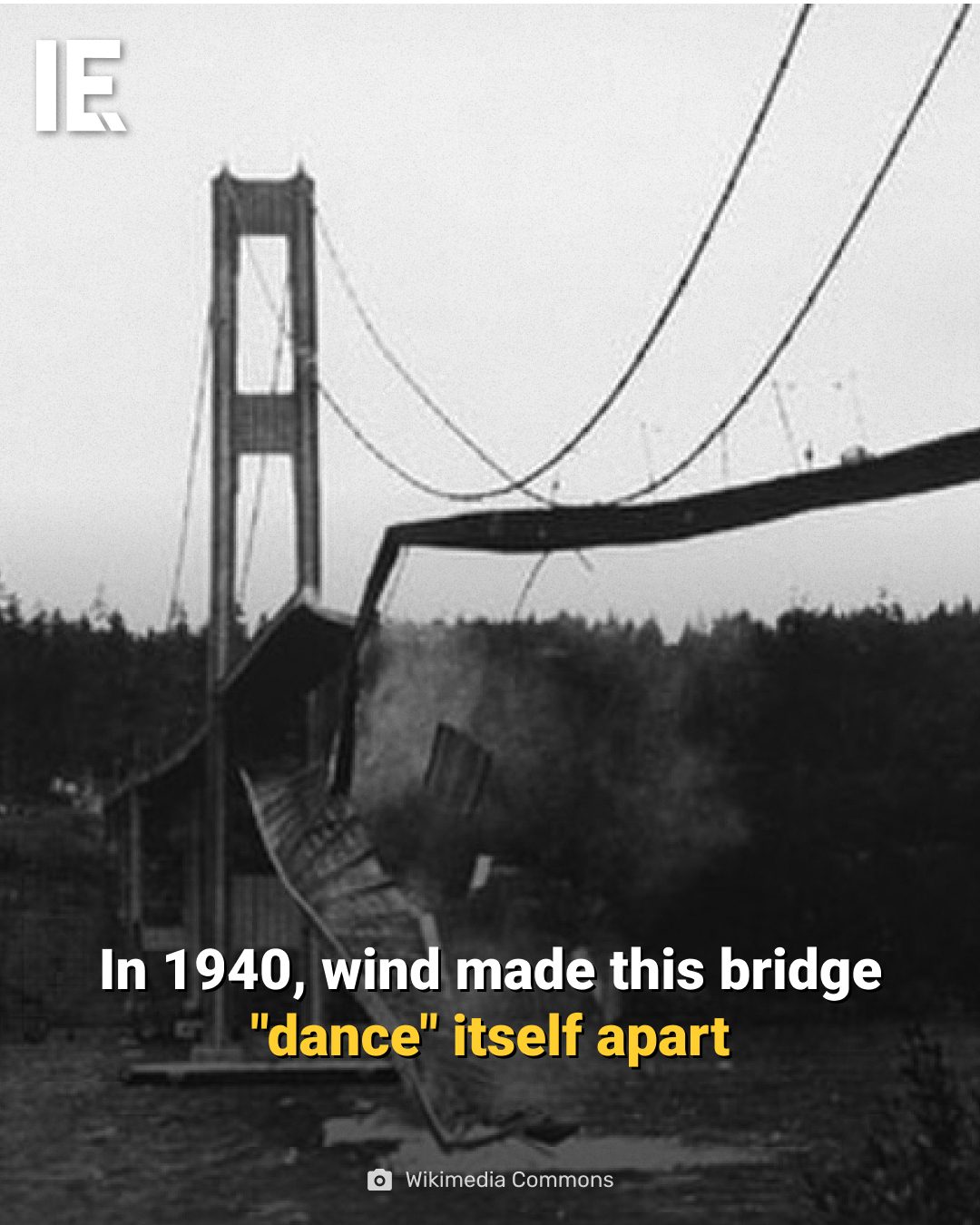
The Tacoma Narrows Bridge Collapse: A Pivotal Moment in Bridge Engineering
The Tacoma Narrows Bridge collapse in 1940 stands as a stark reminder of the delicate balance between design and environmental forces. This iconic event, often referred to as the "Galloping Gertie" incident, reshaped modern bridge engineering by highlighting the critical role of airflow and vibration in structural integrity.
Context: Why This Matters
Understanding the failure of the Tacoma Narrows Bridge is crucial for appreciating advancements in bridge engineering. The collapse demonstrated that even in the absence of heavy loads, aerodynamic forces can cause catastrophic damage. This event underscored the need for rigorous testing and innovative design solutions to ensure the safety and longevity of bridges.
The Collapse of the Tacoma Narrows Bridge
The Structural Design
Completed in July 1940, the Tacoma Narrows Bridge was designed to connect the Tacoma Peninsula with the city of Tacoma, Washington. The bridge featured a slender, elegant design with a suspension deck that spanned the Tacoma Narrows strait. Despite its aesthetic appeal, the design had significant flaws that ultimately led to its downfall.
Aeroelastic Flutter
On November 7, 1940, just four months after its opening, the bridge experienced a catastrophic failure due to aeroelastic flutter. This phenomenon occurs when wind forces interact with the structure in a way that causes rhythmic, self-reinforcing motion. The wind-induced vibrations caused the bridge to twist and buckle, eventually tearing it apart. The bridge's design, which included a slender deck and stiff girders, lacked the necessary torsional stiffness to resist these aerodynamic forces.
The 'Dancing' Phenomenon
The bridge's dramatic failure was captured on film, showing the structure swaying and twisting in a manner that resembles a dance. This "dancing" motion, a result of the aeroelastic flutter, became a defining characteristic of the collapse. The rhythmic movements intensified until the bridge could no longer withstand the stresses, leading to its dramatic collapse.
Important Factors in the Collapse
Wind and Vibration
The collapse highlighted the significance of wind and vibration in bridge design. Engineers realized that even moderate winds could induce destructive oscillations if the bridge's design did not account for these forces. The Tacoma Narrows Bridge collapse prompted a reevaluation of how bridges are designed and tested, emphasizing the importance of aerodynamic stability.
Reshaping Modern Bridge Engineering
The disaster had a profound impact on bridge engineering. It led to the development of more sophisticated design principles and rigorous testing protocols. Engineers began to focus on understanding the interactions between wind and structural elements, leading to the implementation of advanced aerodynamic testing methods. This shift in approach resulted in bridges that are more resilient to environmental forces.
The Image from Wikimedia Commons
The black and white image of the Golden Gate Bridge displayed in relation to this event, sourced from Wikimedia Commons, underscores the historical significance of the Tacoma Narrows Bridge collapse. While the image itself is of the Golden Gate Bridge, it serves as a visual reminder of the broader lessons learned from the collapse of the Tacoma Narrows Bridge. The image emphasizes the importance of engineering innovation and the need for continuous improvement in bridge design to prevent similar disasters.
Practical Tips for Bridge Engineering
Incorporating Aerodynamic Forces
When designing bridges, it is essential to consider the potential impacts of wind and vibration. Engineers should conduct thorough aerodynamic testing to ensure that the structure can withstand various wind conditions without experiencing excessive oscillations. This includes the use of wind tunnels and computational fluid dynamics (CFD) simulations to predict and mitigate aeroelastic effects.
Enhancing Structural Stability
Increasing the torsional stiffness of the bridge deck can help prevent the onset of aeroelastic flutter. This can be achieved through the use of stiffer girders and cross-bracing systems that distribute wind-induced forces more effectively. Additionally, the incorporation of dampers and other vibration control mechanisms can further enhance the bridge's stability.
Regular Inspections and Maintenance
Regular inspections and maintenance are crucial for ensuring the long-term integrity of bridges. Engineers should conduct routine assessments to identify any signs of wear and tear, as well as to monitor the bridge's response to wind and vibration. Early detection and repair of any issues can prevent minor problems from escalating into major failures.
Important Takeaways
The collapse of the Tacoma Narrows Bridge serves as a critical lesson in bridge engineering. It underscores the importance of considering aerodynamic forces and vibration in the design process. The disaster led to significant advancements in bridge engineering, including the development of more robust design principles and testing methods.
Conclusion
The Tacoma Narrows Bridge collapse remains a pivotal moment in the history of bridge engineering. By understanding the factors that led to its failure, engineers have been able to develop more resilient and stable structures. This event serves as a reminder of the importance of continuous innovation and the need for thorough testing and maintenance in bridge design.
Watch the Reel
Questions readers ask
What caused the Tacoma Narrows Bridge to collapse in 1940?
The Tacoma Narrows Bridge, nicknamed 'Galloping Gertie,' collapsed due to aeroelastic flutter. This phenomenon occurs when wind forces interact with the bridge's structure, causing it to twist and oscillate at an increasing amplitude. This instability led to the catastrophic failure of the bridge.
Why were the wind forces so significant in the Tacoma Narrows Bridge collapse?
The Tacoma Narrows Bridge was particularly vulnerable to wind forces due to its narrow design and the specific wind conditions at the time. Gusts of wind caused the bridge to oscillate vertically and twist, leading to a destructive aeroelastic flutter that the structure could not withstand.
How did the 1940 collapse inspire advancements in bridge engineering?
The Tacoma Narrows Bridge collapse served as a critical lesson in bridge engineering. Engineers learned the importance of testing structures under various wind conditions and incorporating aerodynamic principles in their designs to prevent similar failures.
What is aeroelastic flutter and why is it dangerous for bridges?
Aeroelastic flutter is a dynamic instability that occurs when wind forces interact with a structure in a way that causes it to oscillate uncontrollably. For bridges, this can lead to excessive vibration and twisting, which can result in structural failure if not properly addressed in the design.
What were the key factors that led to the Tacoma Narrows Bridge disaster?
The key factors included the bridge's narrow design, the specific wind conditions, and the lack of understanding about aeroelastic flutter at the time. These elements combined to create a deadly wind-induced vibration that ultimately caused the bridge to collapse.
How did the Tacoma Narrows Bridge collapse influence future bridge designs?
Following the collapse, engineers began to prioritize wind tunnel testing and aerodynamic design principles. Modern bridges are designed with broader roadways, stiffer structures, and mechanisms to dampen vibrations, ensuring greater stability and resilience to wind forces.
What is the significance of the 1940 Tacoma Narrows Bridge disaster in engineering history?
The collapse of the Tacoma Narrows Bridge is a pivotal moment in engineering history as it underscored the importance of considering environmental forces, particularly wind, in structural design. It led to a greater understanding of aeroelastic forces and influenced the development of more resilient and stable bridge designs.
Related deep dives
Similar reads based on topic and creator.



Recent articles
Fresh deep dives from the latest Reels we unpacked.




Comments
Be the first to comment.