The Golden Gate Bridge's 50th Anniversary: A Test of Engineering
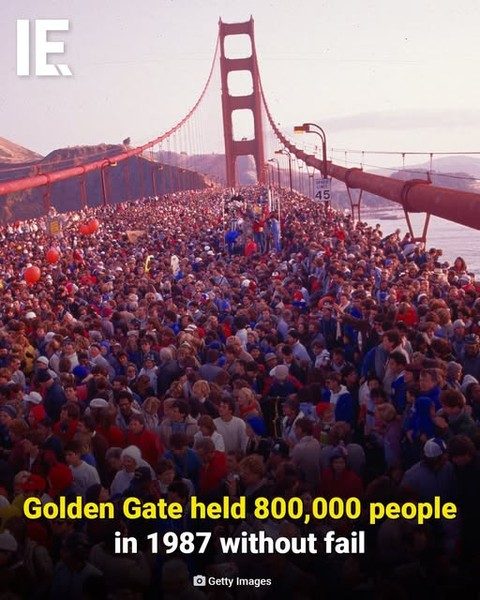
In 1987, nearly 800,000 people gathered on the Golden Gate Bridge to celebrate its 50th anniversary. A massive crowd stretched across the iconic landmark, temporarily flattening the bridge under their collective weight. The event was a testament to the bridge's robust engineering, which held firm despite the immense pressure.
Why This Matters
The Golden Gate Bridge is more than just a scenic landmark; it's a marvel of structural engineering. The 1987 gathering serves as a real-world stress test, showcasing the bridge's design and the foresight of its engineers. Understanding this event provides insights into the bridge's construction and the principles that ensure its enduring strength.
The Golden Gate Bridge: An Engineering Marvel
The Bridge's Design and Construction
The Golden Gate Bridge was completed in 1937 and spans the Golden Gate Strait, the entrance to San Francisco Bay from the Pacific Ocean. The bridge's design is a suspension bridge, characterized by its towering suspension cables and two main towers. The main span, measuring 4,200 feet, was the world's longest for decades. The bridge's design included several innovative features, such as vertical suspender ropes and a streamlined roadway, which allowed it to withstand high winds and heavy loads.
The 1987 Anniversary Celebration
The 1987 gathering was planned as a grand celebration of the bridge's 50th anniversary. Organizers expected a large turnout, but the actual number of attendees far exceeded expectations. The estimated 800,000 people who participated in the event put an unprecedented amount of weight on the bridge. The sheer number of people caused the bridge to temporarily flatten, a phenomenon that was both awe-inspiring and alarming.
A Real-World Test of Structural Integrity
The Bridge's Response to the Crowd
Despite the immense pressure, the Golden Gate Bridge held firm. Engineers closely monitored the bridge during the event and confirmed that the structure remained sound. The bridge's ability to withstand the weight of 800,000 people without failing is a testament to its robust design.
The Role of Suspension Cables
The bridge's suspension system played a crucial role in distributing the weight of the crowd. Suspension cables are a key component of the bridge's design, supporting the roadway and distributing the load evenly across the structure. The cables, anchored to massive concrete blocks, are what allow the bridge to handle such significant loads without collapsing.
Practical Tips for Engineering Fans
If you're fascinated by the Golden Gate Bridge and its engineering, there are several ways to delve deeper into its design and construction:
Visiting the Bridge
A visit to the Golden Gate Bridge offers a firsthand look at its impressive design. The bridge's pedestrian walkway provides stunning views of the bay and an up-close look at the suspension cables and towers. There are also several exhibits and tours that offer insights into the bridge's history and engineering.
Educational Resources
The Golden Gate Bridge, Highway and Transportation District offers a range of educational resources, including guided tours, lectures, and an interactive exhibit at the Golden Gate Bridge Pavilion. These resources provide in-depth information about the bridge's design, construction, and historical significance.
Books and Documentaries
For a more comprehensive understanding, consider exploring books and documentaries about the Golden Gate Bridge. Titles like "The Golden Gate Bridge: Design, Construction, and History" and documentaries like "Golden Gate Bridge: The Miracle of San Francisco" offer detailed accounts of the bridge's construction and the challenges overcome during its building.
Essential Takeaways
The 1987 gathering on the Golden Gate Bridge was more than just a celebration; it was a real-world test of the bridge's engineering. The event highlighted the bridge's robust design and the foresight of its engineers. The Golden Gate Bridge continues to stand as a marvel of structural engineering, a testament to human ingenuity and innovation.
The bridge's ability to withstand the weight of 800,000 people underscores the importance of thorough engineering and quality construction. Suspension bridges like the Golden Gate require careful design and meticulous construction to ensure their longevity and safety. The 1987 event serves as a reminder of the incredible feats that engineering can achieve.
Conclusion
The Golden Gate Bridge's 50th anniversary celebration in 1987 was a monumental event that showcased the bridge's extraordinary engineering. The gathering of nearly 800,000 people put the bridge to a test unlike any other, and it held firm. This event not only highlighted the bridge's strength but also serves as a reminder of the incredible engineering achievements that make landmarks like the Golden Gate Bridge possible.
Watch the Reel
Questions readers ask
What made the 1987 Golden Gate Bridge anniversary so significant?
The 1987 anniversary was significant because it drew nearly 800,000 people, which was an unprecedented gathering on the bridge. This massive crowd provided a unique real-world test of the bridge's structural integrity, showcasing its durability and the brilliance of its engineering.
How did the Golden Gate Bridge handle the immense crowd in 1987?
The Golden Gate Bridge demonstrated remarkable resilience under the collective weight of nearly 800,000 people. Despite the immense pressure, the bridge held firm, temporarily flattening but ultimately proving the effectiveness of its design and construction.
What was the purpose of the 1987 Golden Gate Bridge 50th anniversary celebration?
The 50th anniversary celebration in 1987 was a commemoration of the bridge's history and an opportunity to celebrate its enduring strength. It also served as an unexpected test of the bridge's engineering, highlighting the foresight of its designers in creating a durable structure.
What does the 1987 event reveal about the Golden Gate Bridge's design?
The 1987 event revealed that the Golden Gate Bridge's design was robust and well-thought-out. It showcased the bridge's ability to withstand extreme conditions, providing valuable insights into the principles that ensure its enduring strength and durability.
Why is the 1987 gathering often referred to as a stress test for the Golden Gate Bridge?
The 1987 gathering is often referred to as a stress test because it involved an immense number of people, testing the bridge's structural limits. This event provided a unique opportunity to observe how the bridge behaves under extreme conditions, validating its design and durability.
What safety measures were in place during the 1987 Golden Gate Bridge anniversary event?
The Golden Gate Bridge's 1987 anniversary event was an unexpected gathering, so the original safety measures were not planned to accommodate 800,000 people. Despite this, the bridge's engineering and structural integrity ensured that the event progressed without serious incidents, demonstrating its resilience.
Related deep dives
Similar reads based on topic and creator.




Recent articles
Fresh deep dives from the latest Reels we unpacked.




Comments
Be the first to comment.