Microfabrication of Gold Circuits
Microfabrication of gold circuits, particularly for use in electrocardiogram (ECG) electrodes, is a fascinating process with significant applications in medical technology. Gold is the material of choice for several compelling reasons that make it ideal for creating high-quality, safe, and durable circuits.
Why this Matters
The choice of gold for microfabricated circuits, especially in medical applications, is not arbitrary. Gold's unique properties make it highly suitable for creating ECG electrodes. Understanding the reasons behind this choice offers insights into the broader field of medical electronics and the importance of material selection.
Main discussion
Gold's Biocompatibility
One of the primary reasons gold is used in microfabricated circuits is its biocompatibility. This means that gold does not react with the human body, making it a safe choice for direct skin contact. Biocompatibility is crucial in medical devices, as it ensures that the device does not cause harm or adverse reactions when used for long-term monitoring, such as in ECG measurements.
The use of gold as biocompatible material extends beyond medical devices. It is also valuable in dental and orthopedic applications, where implants need to be non-reactive to body tissues.
The Advantages of Dry Electrodes
Traditional ECG electrodes often use wet gels to enhance conductivity. However, dry electrodes offer several advantages. Dry electrodes, made from gold, have a longer shelf life and can be easily sanitized and reused. This is particularly beneficial for patients who require long-term monitoring, as it reduces the need for frequent replacements and lowers the risk of infections.
Additionally, dry electrodes reduce the risk of harmful reactions with direct skin contact. This is because they do not rely on conductive gels that can cause skin irritation or allergic reactions.
The Microfabrication Process
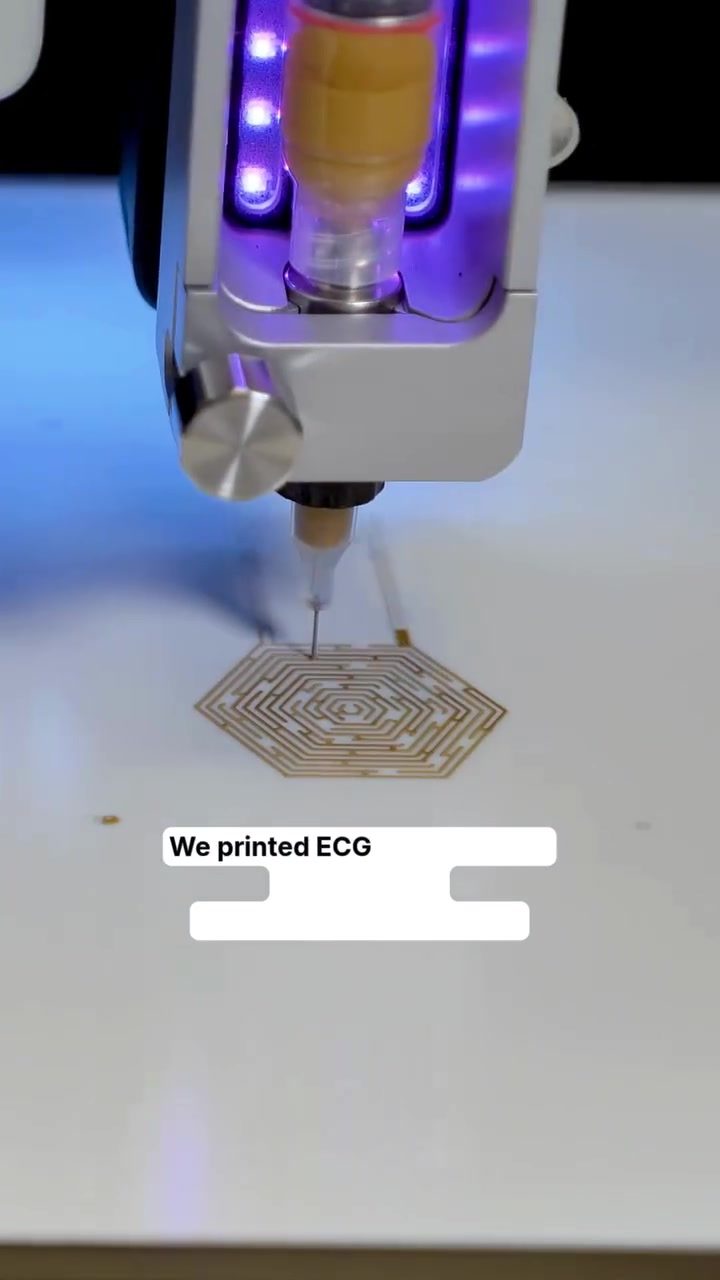
Microfabrication involves the precise deposition of gold material onto a small substrate. The process is highly technical and requires specialized equipment, such as a microfabrication machine. This machine uses a nozzle to dispense gold material in intricate patterns, creating complex circuits.
The finished circuit is then carefully handled, demonstrating the delicate nature of the process. Microfabrication allows for the creation of highly detailed and precise circuits, which are essential for medical devices that require accurate and reliable measurements.
Practical Tips
Choosing the Right Material
When selecting a material for medical devices, it is essential to consider its biocompatibility. Gold is an excellent choice due to its non-reactive nature and biocompatibility. However, other materials like platinum and titanium also have biocompatible properties and can be considered for specific applications.
Ensuring Long-Term Use
Dry electrodes offer several advantages over traditional wet electrodes. They have a longer shelf life, can be sanitized and reused, and reduce the risk of skin irritation. When developing medical devices, consider using dry electrodes to enhance their longevity and usability.
Precision in Microfabrication
The microfabrication process requires precision and accuracy. Specialized equipment, such as a microfabrication machine, is necessary to create intricate circuit patterns. Investing in high-quality equipment and training personnel to operate it can significantly improve the quality and reliability of the fabricated circuits.
Important Takeaways
Gold is an ideal material for microfabricated circuits due to its biocompatibility and non-reactive nature. Using gold for dry electrodes offers several advantages, including a longer shelf life, easy sanitization, and reduced risk of skin irritation. The microfabrication process involves precise deposition of gold material, requiring specialized equipment and careful handling.
Conclusion
Microfabrication of gold circuits, particularly for ECG electrodes, is a critical process in medical technology. The choice of gold is driven by its biocompatibility and non-reactive properties, making it safe for direct skin contact. Dry electrodes offer several advantages over traditional wet electrodes, including a longer shelf life and the potential for sanitization and reuse.
Understanding the reasons behind the use of gold in microfabricated circuits provides valuable insights into the broader field of medical electronics and the importance of material selection. The precision and accuracy required in the microfabrication process ensure the creation of high-quality, reliable circuits essential for medical devices.
Watch the Reel
Questions readers ask
Why is gold preferred over other materials for ECG electrodes?
Gold is preferred due to its exceptional biocompatibility and excellent conductivity. These properties ensure that gold ECG electrodes can maintain safe, long-term skin contact while providing accurate readings, unlike other materials that may cause skin irritation or interfere with signal transmission.
What are the advantages of gold dry electrodes over wet electrodes?
Gold dry electrodes offer several advantages, including an extended shelf life and reduced risk of infection, unlike traditional wet electrodes. Wet electrodes require conductive gels which can dry out and need to be replaced. Dry electrodes eliminate this inconvenience, making them a preferable and more sustainable choice.
How does the Voltera gold ink project contribute to the development of ECG electrodes?
The Voltera gold ink project supports the development of ECG electrodes by providing a reliable and efficient method for microfabricating gold circuits. This allows for the creation of high-quality, safe, and durable ECG electrodes that can be easily integrated into various medical devices.
What makes gold a non-reactive material for ECG electrodes?
Gold is considered non-reactive due to its chemical stability and resistance to corrosion. This means it does not easily react with other substances, including bodily fluids, ensuring that it remains safe and effective for long-term use in ECG electrodes.
Why does microfabrication of gold circuits matter in medical technology?
Microfabrication of gold circuits enhances the accuracy and reliability of medical devices, particularly ECG electrodes. This process allows for the creation of precise, durable, and biocompatible components that are essential for accurate signal transmission and patient safety.
What benefits do biocompatible electrodes offer over non-biocompatible alternatives?
Biocompatible electrodes, such as those made from gold, offer several benefits, including reduced risk of skin irritation and adverse reactions, making them suitable for long-term monitoring. They also ensure reliable signal transmission, which is crucial for accurate ECG readings.
How does the conductivity of gold enhance the performance of ECG electrodes?
Gold's excellent conductivity allows for efficient signal transmission, which is crucial for obtaining accurate ECG readings. This property ensures that the electrical signals from the heart are accurately captured and transmitted, reducing the likelihood of errors or misinterpretations.
Related deep dives
Similar reads based on topic and creator.




Recent articles
Fresh deep dives from the latest Reels we unpacked.




Comments
Be the first to comment.