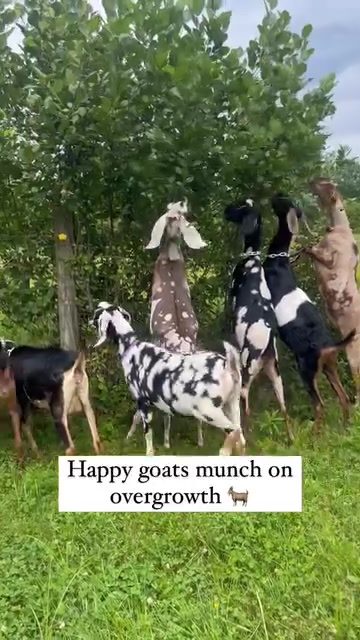
Goats Feasting on Leaves: A Natural Buffet
Goats are known for their adventurous eating habits, and a recent sighting showcased them standing on their hind legs to reach and munch on leaves from a tree. This behavior is a fascinating example of how goats interact with their natural environment, making the most of what's available to them.
Why This Matters
Goats are not just simple creatures who randomly eat whatever they find. Their eating habits are a complex interplay of instinct, opportunity, and necessity. Understanding their behavior can provide insights into their ecological role, their adaptability, and even their potential uses in land management.
The Natural Buffet
Adaptability in Feeding
Goats are known for their ability to adapt to different environments and food sources. They are natural foragers, which means they are constantly on the lookout for food. When they encounter a tree laden with leaves, they will often stand on their hind legs to reach the tasty foliage, showcasing their agility and determination.
Standing on their hind legs is a common behavior for goats when they need to reach for food. This behavior is not just about getting a meal; it's also about conserving energy. By reaching higher, goats can access food that other animals might not be able to, reducing competition for resources.
Environmental Interaction
The sight of goats standing on their hind legs to eat leaves highlights their interaction with the environment. This behavior is not just about survival; it's also about shaping the landscape. Goats are known to help manage overgrowth by eating leaves and small branches, which can prevent the spread of wildfires and maintain the health of forests and grasslands. This interaction between goats and their environment is a delicate balance that benefits both the animals and the ecosystem.
The Social Dynamics of Goat Herds
Collective Feeding and Social Bonding
Goats are social animals, and their feeding habits often involve group dynamics. When a group of goats is seen standing on their hind legs to reach leaves, it's not just a matter of individual eating habits; it's also about social bonding and collective feeding. This behavior can strengthen social bonds within the herd, as goats often help each other reach food and share the spoils.
The scene of goats clustered together, reaching for the foliage, is a testament to their social dynamics. This cooperative behavior is essential for their survival, as it helps them access food more efficiently and protect each other from potential threats.
Maintaining Landscapes
Goats as Natural Landscapers
The interaction of goats with overgrowth can have significant impacts on the landscape. By eating leaves and small branches, goats help maintain the health of forests and grasslands. This natural landscaping can prevent the spread of wildfires, control invasive plant species, and promote biodiversity.
Goats are often used in conservation efforts to manage overgrowth and maintain natural habitats. Their ability to eat a wide variety of plants makes them ideal for controlling invasive species and promoting the growth of native plants. This natural landscaping is an important ecological service that goats provide, contributing to the health and sustainability of their habitats.
Practical Tips for Goat Management
Encouraging Natural Feeding Habits
If you're managing a goat herd, encouraging their natural feeding habits can be beneficial for both the animals and the environment. Here are a few practical tips:
-
Provide Varied Food Sources: Goats thrive on a varied diet. Ensure they have access to different types of plants, including leaves, branches, and grasses. This will not only keep them healthy but also encourage their natural foraging behaviors.
-
Create Enrichment Opportunities: Goats are intelligent animals that need mental stimulation. Provide them with challenges, such as reaching for food from different heights, to keep them engaged and happy.
-
Monitor and Maintain Health: Regularly check the health of your goats, ensuring they have access to clean water and a balanced diet. Healthy goats are more likely to engage in natural behaviors and thrive in their environment.
-
Control Your Herd’s Movement: Allow your goats to move freely within a controlled area to promote natural grazing and foraging. This will help them access a variety of food sources and maintain the health of the landscape.
Important Takeaways
Goats' natural feeding behaviors, such as standing on their hind legs to reach leaves, are not just about survival; they are also about adapting to their environment, social bonding, and maintaining the health of their habitats. Understanding these behaviors can provide valuable insights into how goats interact with their surroundings and contribute to the ecosystem. Encouraging these natural behaviors in managed herds can promote their health and well-being, while also supporting conservation efforts.
Conclusion
Watching goats stand on their hind legs to reach and eat leaves is more than just an adorable sight; it's a window into their complex world. Their feeding habits are a testament to their adaptability, social dynamics, and role in maintaining natural landscapes. By understanding and supporting these behaviors, we can help goats thrive and contribute to the health of their environments.
Watch the Reel
Questions readers ask
Why do goats stand on their hind legs to eat leaves?
Goats stand on their hind legs to reach leaves that are out of their normal reach. This behavior demonstrates their agility and adaptability, allowing them to access more food sources in their environment.
How do goats help manage vegetation?
Goats play a significant role in managing vegetation by consuming leaves and other plant material. This helps to control plant growth, clear overgrown areas, and even prevent the spread of wildfires by reducing fuel sources.
What are the benefits of goats in preventing wildfires?
Goats can help prevent wildfires by eating vegetation that could otherwise become fuel for fires. By reducing the amount of dry, combustible plant material, goats contribute to a healthier, more fire-resistant ecosystem.
What makes goat feeding habits unique?
Goat feeding habits are unique due to their adaptability and agility. They can stand on their hind legs, climb steep terrain, and eat a variety of plants, making them versatile foragers in diverse environments.
How do goats interact with their environment through feeding?
Goats interact with their environment by foraging on a wide range of plants, which helps to shape the landscape. Their feeding behavior not only sustains them but also influences the ecology of the areas they inhabit, promoting healthier plant communities.
What ecological role do goats play through their feeding habits?
Goats play an important ecological role by controlling vegetation growth, reducing fire risk, and promoting biodiversity. Their feeding habits help maintain a balanced ecosystem, benefiting both the plants and animals in the environment.
How does understanding goat behavior help in land management?
Understanding goat behavior can provide valuable insights into natural vegetation management. By mimicking the effects of goat feeding, land managers can develop strategies to control plant growth, reduce wildfire risk, and enhance overall ecosystem health.
Related deep dives
Similar reads based on topic and creator.




Recent articles
Fresh deep dives from the latest Reels we unpacked.




Comments
Be the first to comment.