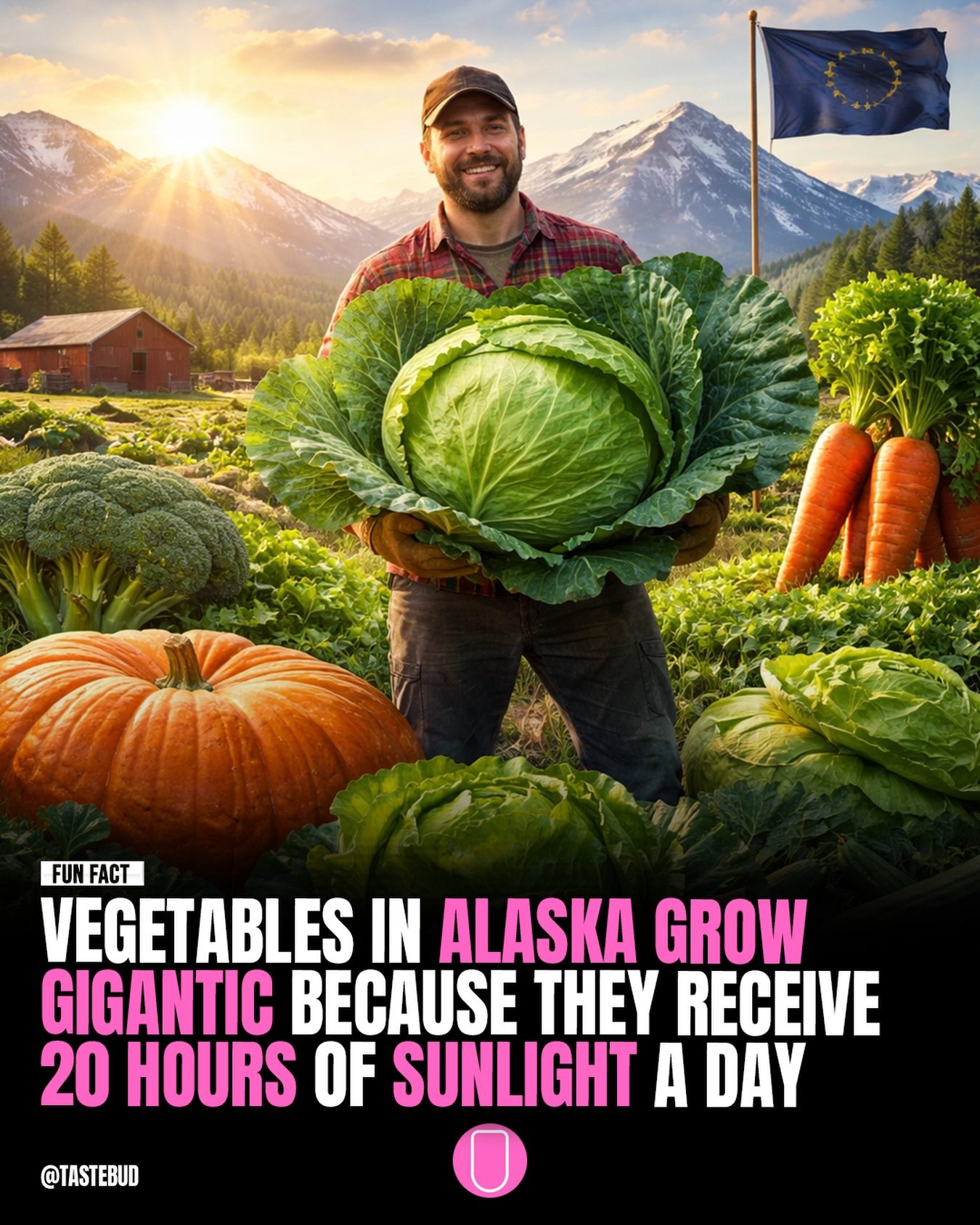
Growing Giant Vegetables in Alaska’s Matanuska Valley
In Alaska's Matanuska Valley, farmers are cultivating massive vegetables. These crops, such as 138-pound cabbages and 65-pound cantaloupes, thrive under unique growing conditions. The secret behind their extraordinary size and sweetness lies in the region's distinctive "midnight sun" phenomenon. During the peak growing season, plants in Matanuska Valley receive up to 20 hours of sunlight daily. This abundance of light extends the period of photosynthesis, enabling crops to grow faster and larger than usual. Additionally, the short nights help retain sugars in the plants, resulting in sweeter produce.
Why This Matters
The expansive daylight in Matanuska Valley offers valuable insights into plant growth and agriculture. Understanding these unique conditions can inspire farmers elsewhere to optimize their growing techniques and explore innovative methods to enhance crop yields. Moreover, the sweetness and size of the produce from this region highlight the potential benefits of extended sunlight for vegetable cultivation.
Main Discussion
The Midnight Sun Phenomenon
The "midnight sun" occurs in areas north of the Arctic Circle and south of the Antarctic Circle, where the sun remains visible at the local midnight and the sky does not get dark. In Matanuska Valley, this phenomenon leads to exceptionally long days, providing ample sunlight for plants to thrive. The extended daylight hours, combined with the region's rich soil, contribute to the growth of giant vegetables.
Impact on Plant Growth
Extended Photosynthesis
Photosynthesis is the process by which green plants and some other organisms use sunlight to synthesize nutrients from carbon dioxide and water. The extra hours of sunlight in Matanuska Valley allow for prolonged photosynthesis, enabling plants to produce more energy and grow larger. This is especially beneficial for vegetables like cabbages and cantaloupes, which require significant energy to reach their massive sizes.
Sugar Retention
Short nights in the region also play a crucial role in the quality of the produce. The limited darkness means that plants do not undergo full metabolic changes, including the breakdown of sugars, leading to sweeter vegetables. This characteristic makes the produce from Matanuska Valley highly desirable for both local consumption and export.
Varieties of Giant Vegetables in Alaska
Matanuska Valley farmers grow a variety of vegetables, many of which reach impressive sizes. Here are a few notable examples:
Cabbages
The region is famous for its colossal cabbages, with some weighing over 100 pounds. These giant cabbages are a result of selective breeding and the optimal growing conditions provided by the extended daylight. They are prized for their flavor, texture, and size, making them a popular choice for both local markets and culinary competitions.
Pumpkins
Pumpkins thriving in the Matanuska Valley also reach enormous sizes. The extended daylight and rich soil create ideal conditions for these vegetables to grow to impressive dimensions. Pumpkins from this region are known for their thick flesh and vibrant colors, making them a favorite for Halloween celebrations and pumpkin festivals.
Cantaloupes
Cantaloupes grown in Matanuska Valley are another standout crop. The extended growing season allows these melons to develop a rich, sweet flavor and a firm texture. The giant cantaloupes from this region are not only delicious but also visually stunning, with some reaching weights exceeding 65 pounds.
Practical Tips for Growing Large Vegetables
While the conditions in Matanuska Valley are unique, there are several practical tips that gardeners and farmers elsewhere can adopt to enhance their vegetable growth:
Optimize Sunlight Exposure
Ensure your vegetables receive as much sunlight as possible. Position your garden in a location that gets at least 6-8 hours of direct sunlight daily. If you live in a region with shorter daylight hours, consider using grow lights to extend the photoperiod.
Rich Soil
Use nutrient-rich soil to support the growth of your vegetables. Incorporate compost and organic matter to enhance soil fertility and improve water retention. Regular soil testing can help you monitor nutrient levels and make necessary adjustments.
Selective Breeding
Choose vegetable varieties known for their large size and high yield. Selective breeding and propagation techniques can help you cultivate larger and more robust vegetables over time.
Proper Watering
Maintain consistent watering to support healthy plant growth. Ensure your soil is well-drained to prevent waterlogging, which can hinder root development and nutrient uptake. Use drip irrigation systems for efficient watering and to reduce water waste.
Pest and Disease Management
Regularly monitor your garden for pests and diseases. Implement integrated pest management (IPM) strategies to control pests and diseases without relying heavily on chemicals. This includes using natural predators, crop rotation, and organic treatments.
Important Takeaways
The unique growing conditions in Alaska's Matanuska Valley, characterized by the "midnight sun," provide valuable insights into plant growth and agricultural productivity. The extended daylight hours and short nights contribute to the cultivation of giant vegetables, making the region a hub for large and flavorful produce. By understanding and applying these principles, farmers and gardeners can optimize their growing techniques to enhance crop yields and quality.
Conclusion
The cultivation of giant vegetables in Alaska's Matanuska Valley showcases the remarkable impact of extended daylight on plant growth. The region's unique growing conditions provide a model for optimized agriculture, highlighting the benefits of extended sunlight and nutrient-rich soil. By adopting practical tips and techniques, gardeners and farmers can enhance their vegetable growth, regardless of their location. Embracing these insights can lead to larger, sweeter, and more productive crops, paving the way for innovative and sustainable agricultural practices.
Watch the Reel
Questions readers ask
What is the 'midnight sun' phenomenon and how does it help in growing giant vegetables in Matanuska Valley?
The 'midnight sun' phenomenon refers to the period in Matanuska Valley when the sun is visible for up to 20 hours a day. This extended daylight allows plants to photosynthesize for longer periods, promoting faster growth and resulting in larger, sweeter vegetables.
What types of giant vegetables are typically grown in Alaska's Matanuska Valley?
Farmers in Matanuska Valley are known for growing exceptionally large vegetables, including massive cabbages that can weigh over 138 pounds and cantaloupes that can reach up to 65 pounds. Other crops also benefit from the long daylight hours and thrive in this unique environment.
How does the long daylight in Alaska's Matanuska Valley contribute to the sweetness of the produce?
The extended daylight hours in Matanuska Valley result in shorter nights, which helps to retain sugars in the plants. This retention of sugars contributes to the sweeter taste of the produce harvested in the region.
Can farmers in other regions replicate the results of Matanuska Valley's giant vegetable growth?
While other regions may not experience the same 20-hour daylight conditions, farmers can experiment with supplemental lighting to extend the growing period. However, the specific combination of long daylight hours and unique soil conditions in Matanuska Valley make it an exceptional place for growing giant vegetables.
What are the key factors contributing to the success of giant vegetable farming in Alaska's Matanuska Valley?
The primary factor is the unique 20-hour daylight conditions during the peak growing season, which enhances photosynthesis and growth. Additionally, the region's fertile soil and specific cultivation techniques contribute to the successful growth of massive, sweet vegetables.
Are there any unique challenges faced by farmers in Matanuska Valley when growing giant vegetables?
Farmers in Matanuska Valley face unique challenges such as the short growing season outside of the peak daylight period. They must carefully manage their crops to take full advantage of the extended daylight hours and ensure that the plants are ready for harvest during the optimal time.
Related deep dives
Similar reads based on topic and creator.




Recent articles
Fresh deep dives from the latest Reels we unpacked.




Comments
Be the first to comment.