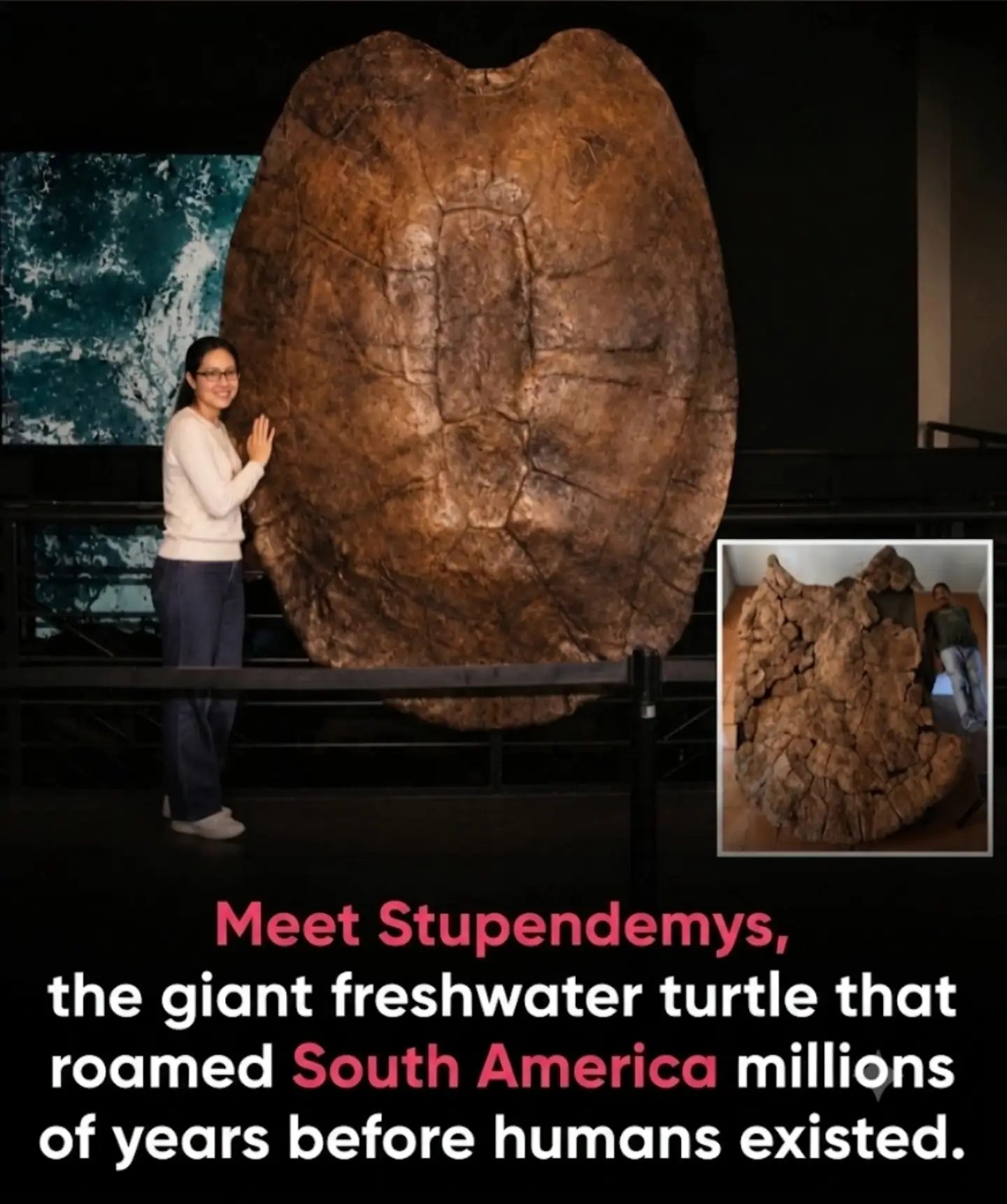
Stupendemys, an extinct genus of freshwater turtles, is a fascinating subject in the field of paleontology. This giant turtle roamed the northern regions of South America during the late Miocene to early Pliocene epochs, approximately 5 to 13 million years ago. The species is notable for its enormous size and distinctive features, providing valuable insights into the prehistoric ecosystems of the region.
Context / Why this matters
The study of Stupendemys offers a unique window into the ancient history of South America. Understanding these prehistoric creatures helps scientists piece together the puzzle of Earth's past, revealing how different species evolved and interacted with their environments. The fossil record of Stupendemys provides crucial data on the size, behavior, and eventual extinction of these giants, which in turn sheds light on the broader history of life on Earth.
Main discussion
Size and Structure
Stupendemys geographicus, a member of the pleurodire (side-necked) turtles, is one of the largest freshwater turtles ever known. Its massive, heavily constructed carapace could exceed 2.4 to 3 meters (8 to 10 feet) in length, making it a formidable presence in its aquatic habitat. This immense size served as a significant defense mechanism against contemporaneous apex predators like the giant crocodylian Purussaurus.
Sexual Dimorphism
One of the most intriguing aspects of Stupendemys is the pronounced sexual dimorphism observed in its fossil record. Males of this species featured distinct, horn-like bony protrusions on the front of their shells. These protrusions are believed to have been used for combat or territorial defense, highlighting the competitive nature of these prehistoric turtles.
Habitat and Extinction
Stupendemys thrived in extensive, ancient wetland and river systems. These sprawling waterways provided ample resources and suitable conditions for the colossal reptile to flourish. However, dramatic tectonic transformations altered the regional drainage patterns, creating a permanent disruption in the turtle's specialized aquatic habitat. This environmental change ultimately led to the extinction of Stupendemys long before the emergence of early human ancestors.
Practical tips
For those interested in learning more about Stupendemys, there are several practical steps to take:
Visit Museums and Exhibits
Many natural history museums showcase fossils and replicas of giant turtles like Stupendemys. Visiting these exhibits provides a tangible connection to prehistoric life and offers the opportunity to see the immense size of these creatures up close.
Read Scientific Papers
Academic journals and scientific publications often feature detailed studies on Stupendemys. These papers provide in-depth analysis and the latest discoveries related to this fascinating species.
Join Paleontology Groups
Connecting with local or online paleontology groups can offer insights and discussions from experts and enthusiasts alike. These communities often share resources, news, and opportunities to participate in fossil hunts or excavations.
Important takeaways
Size and Defense
The massive size and robust carapace of Stupendemys were crucial for its survival in a world teeming with predators. Understanding the defensive mechanisms of these ancient turtles provides valuable context for modern conservation efforts.
Evolutionary Insights
The sexual dimorphism of Stupendemys offers important clues about the evolutionary pressures that shaped these creatures. The distinct features of male turtles, particularly the horn-like protrusions, suggest that intra-species competition played a significant role in their development.
Environmental Impact
The extinction of Stupendemys underscores the profound impact of environmental changes on species survival. The dramatic tectonic shifts that disrupted the turtle's habitat serve as a reminder of the delicate balance between ecosystems and the creatures that inhabit them.
Conclusion
Stupendemys, the giant freshwater turtle that once roamed South America, is a testament to the remarkable diversity and scale of life in the prehistoric era. Its massive size, unique defensive features, and eventual extinction due to environmental changes provide a wealth of information for paleontologists and enthusiasts alike. By studying these ancient giants, we gain a deeper understanding of Earth's history and the evolution of life on our planet.
Watch the Reel
Questions readers ask
What makes Stupendemys unique among ancient turtles?
Stupendemys is unique due to its enormous size and distinctive bony protrusions, which are believed to have served as defensive mechanisms. These features set it apart from other ancient turtles and provide clues about competitive behaviors in prehistoric South American ecosystems.
Where and when did Stupendemys live?
Stupendemys inhabited the northern regions of South America during the late Miocene to early Pliocene epochs, roughly 5 to 13 million years ago. This time period corresponds to a significant chapter in the continent's ancient history, dominated by vast river systems.
How do scientists study the behavior of extinct creatures like Stupendemys?
Scientists examine fossil remains, such as the bony protrusions on Stupendemys, to infer behavior. They also compare these features with those of living species and analyze the context in which the fossils were found to understand the creature's role in its ecosystem.
What can the study of Stupendemys tell us about prehistoric South American ecosystems?
By studying Stupendemys, scientists gain insights into the structure and dynamics of ancient river ecosystems. This includes understanding the interactions among different species, the environmental conditions, and the evolutionary pressures that led to the extinction of these giant turtles.
What caused the extinction of giant turtles like Stupendemys?
The extinction of giant turtles like Stupendemys is likely due to a combination of factors, including climate change, shifts in river systems, and the arrival of new predators or competitors. The fossil record provides clues about these environmental changes and their impact on these colossal creatures.
How do the bony protrusions on Stupendemys contribute to our understanding of its defense mechanisms?
The horn-like bony protrusions on Stupendemys are thought to have served as defensive structures, possibly used to fend off predators or compete with other turtles. These unique features offer a glimpse into the survival strategies of these ancient creatures and their role in prehistoric river ecosystems.
Why is the fossil discovery of Stupendemys significant?
The fossil discovery of Stupendemys is significant because it provides rare and direct evidence of a giant freshwater turtle species. This discovery helps scientists understand the diversity of ancient life in South America and reconstruct the prehistory of the continent, including the dynamics of its ancient river systems and the extinction of unique species.
Related deep dives
Similar reads based on topic and creator.



Recent articles
Fresh deep dives from the latest Reels we unpacked.

Comments
Be the first to comment.