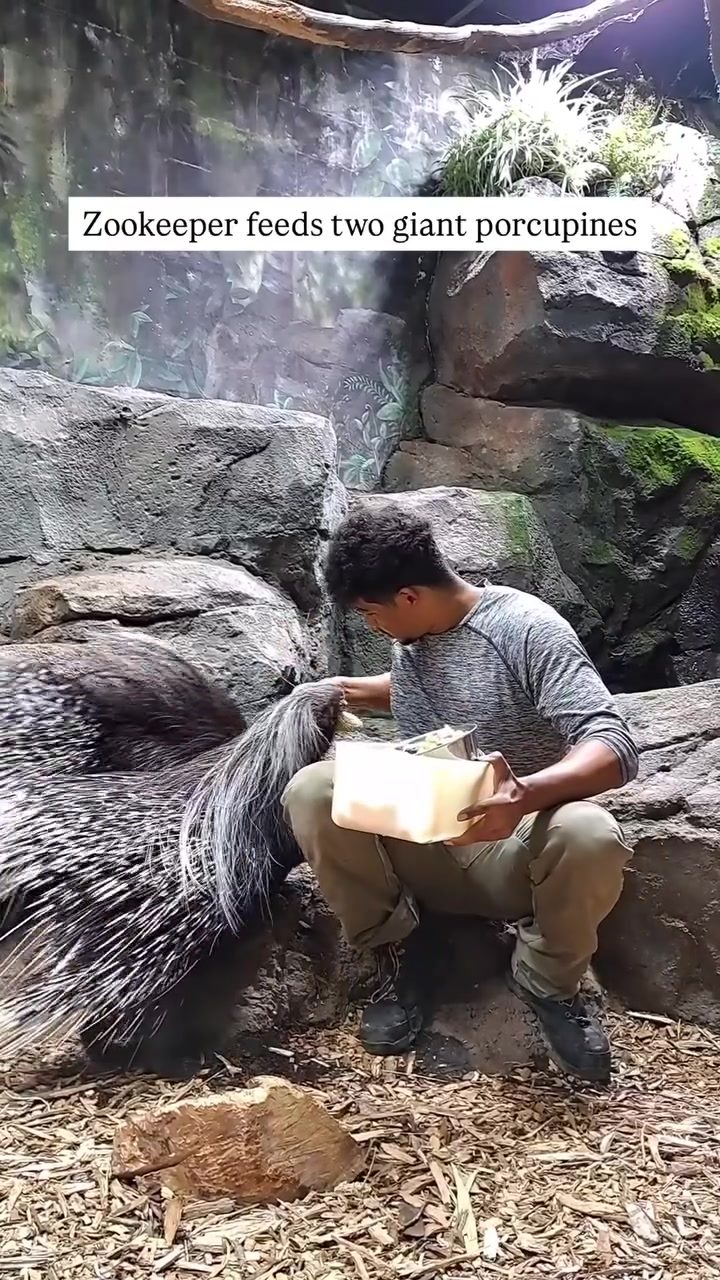
Giant Porcupines
Giant porcupines are fascinating creatures, and observing a zookeeper caring for them provides unique insights into their diet and behavior. These animals, also known as Cape porcupines, are the largest species of porcupine in the world. While their size can be surprising, their care and feeding routines are equally intriguing.
Why This Matters
Understanding the care and feeding habits of giant porcupines is essential for their conservation and well-being. Zookeepers play a crucial role in providing the necessary nutrients and maintaining the overall health of these animals. Their efforts ensure that these remarkable creatures thrive in captivity, which is vital for both educational and conservation purposes.
Main Discussion
The Diet of Giant Porcupines
Giant porcupines have a diverse diet, primarily consisting of plant matter. Their diet includes a variety of vegetables, fruits, and even bark from trees. In captivity, zookeepers ensure that these animals receive a balanced diet to meet their nutritional needs. The food visible in the enclosure typically includes a mixture of these items, providing a well-rounded meal for the porcupines.
Feeding Routines
Feeding giant porcupines is a meticulous process. Zookeepers carefully prepare the food, mixing it in a container before offering it to the animals. This process ensures that the porcupines receive the right nutrients in each meal. The zookeeper's crouched position during feeding allows for a closer, more controlled interaction, which is essential for these sometimes-skittish animals.
The Importance of Nutrition
Nutrition plays a critical role in the health and well-being of giant porcupines. Their diet must include a balance of vitamins, minerals, and fiber to support their digestive health. Zookeepers monitor the porcupines' diet closely, making adjustments as needed to ensure optimal health. This attention to detail helps prevent health issues and promotes overall well-being.
Practical Tips
Caring for giant porcupines requires a deep understanding of their nutritional needs and behaviors. Here are some practical tips for anyone interested in the care and feeding of these remarkable animals:
Prepare a Balanced Diet
Ensure that the diet includes a variety of fruits, vegetables, and even bark. This mix provides the necessary nutrients and fiber to support their digestive health. Always consult with a veterinarian or experienced zookeeper to create a balanced meal plan.
Monitor Feeding Habits
Observe the porcupines during feeding times to understand their preferences and any changes in behavior. This can help identify potential health issues early and ensures that the diet is meeting their needs.
Provide a Safe Environment
Create a safe and comfortable enclosure that mimics their natural habitat as closely as possible. This includes providing hiding spots, climbing structures, and plenty of space to move around.
Regular Health Checks
Regular veterinary check-ups are essential to monitor the health of giant porcupines. This includes dental exams, as their teeth grow continuously and need to be worn down naturally to prevent overgrowth.
Engage in Enrichment Activities
Provide enrichment activities to keep the porcupines mentally stimulated. This can include offering different types of food, using puzzle feeders, or providing new objects to interact with.
Important Takeaways
Caring for giant porcupines is a demanding yet rewarding responsibility. Understanding their dietary needs, feeding routines, and overall care requirements is essential for their well-being. Zookeepers play a crucial role in ensuring these fascinating creatures thrive in captivity, contributing to their conservation and public education.
Conclusion
Giant porcupines are captivating animals with unique dietary and behavioral needs. Observing a zookeeper feeding these creatures offers valuable insights into their care and feeding routines. By understanding and implementing best practices in their care, we can help ensure the health and well-being of these remarkable animals.
Watch the Reel
Questions readers ask
What is the primary diet of a giant porcupine in a zoo setting?
Giant porcupines in zoos primarily consume a mix of plant matter, including a variety of vegetables and fruits. Their diet also includes bark, which provides essential nutrients and helps maintain their dental health. Zookeepers ensure a balanced meal plan to meet the nutritional needs of these large rodents.
How often do zookeepers feed giant porcupines?
Zookeepers typically feed giant porcupines once or twice a day, adhering to a structured feeding schedule. This routine helps maintain the porcupines' natural grazing habits and ensures they receive consistent nutrition throughout the day. The specific timing can vary based on the zoo's operational schedule and the porcupines' individual needs.
What role does bark play in a giant porcupine's diet?
Bark is a crucial component of a giant porcupine's diet as it contains essential minerals and roughage. It also helps keep their continuously growing teeth worn down. Zookeepers often incorporate different types of bark into the porcupines' meals to provide variety and ensure they receive a well-rounded diet.
How do zookeepers monitor the health of giant porcupines through their diet?
Zookeepers monitor the health of giant porcupines by observing their eating habits and overall behavior. Changes in appetite or digestion can indicate potential health issues. Regular veterinary check-ups and adjustments to the diet based on the porcupines' needs further ensure their well-being.
What variety of fruits and vegetables are typically included in a giant porcupine's diet?
Giant porcupines in zoos are often fed a mix of fruits such as apples, pears, and berries, as well as vegetables like carrots, sweet potatoes, and leafy greens. This variety ensures they receive a broad range of vitamins and minerals. Zookeepers may also include specialized animal feed to supplement their diet.
Related deep dives
Similar reads based on topic and creator.

Recent articles
Fresh deep dives from the latest Reels we unpacked.




Comments
Be the first to comment.