Floating Power Plants and Ghana's Energy Revolution
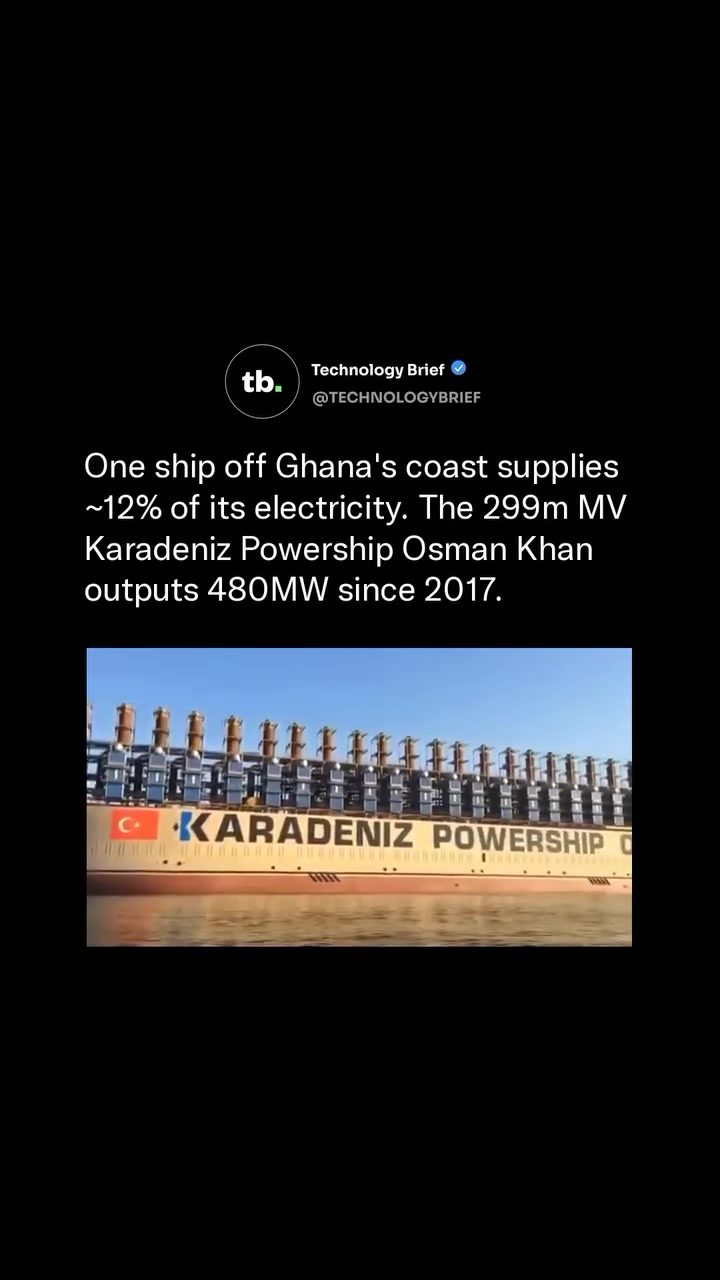
Floating power plants have become a revolutionary solution for countries in need of fast, efficient, and reliable electricity. One standout example is the MV Karadeniz Powership Osman Khan, a colossal floating power plant that supplies a significant portion of Ghana’s electricity. This unique vessel is not only a marvel of engineering but also a testament to the innovative ways countries can address their energy needs.
Why This Matters
The MV Karadeniz Powership Osman Khan is a watershed development in the energy sector. Power ships like this offer a quick and cost-effective solution to energy deficiencies, especially in regions where infrastructure development might be slow or prohibitively expensive. By converting a decommissioned bulk cargo carrier into a power plant, Karpowership has demonstrated a model that can be easily replicated in other parts of the world.
The MV Karadeniz Powership Osman Khan
A Historical Overview
The story of the MV Karadeniz Powership Osman Khan begins in 2000 when it was built as a bulk cargo carrier. Originally designed to transport goods, the ship underwent a significant transformation in 2014 when Karpowership, a Turkish company, acquired it. For $17 million, the ship was converted into a floating power plant at a shipyard in Yalova, Turkey. This conversion involved installing 24 Wärtsilä dual-fuel engines, capable of generating up to 470 MW, enough to power millions of homes.
Arrival in Ghana
In 2017, the MV Karadeniz Powership Osman Khan arrived in Ghana. Initially, it anchored at the port of Tema. After two years, it was relocated to the Sekondi Naval Base in 2019, where it began operating on Ghana’s natural gas, marking a significant shift from heavy fuel oil. This change over from oil to natural gas has saved the country an estimated $170 million a year in fuel costs, making it a more sustainable and cost-effective solution.
The Plug-and-Play Model
Karpowership’s business model is often referred to as a “plug-and-play” power station. The ship arrives at its destination, connects to the national grid, and starts generating electricity within a matter of weeks. This model is particularly advantageous for countries that need immediate energy solutions without the burden of upfront costs. If the contract ends, the ship can simply detach and sail to the next country in need, continuing its mission to provide electricity.
Operational Details
The MV Karadeniz Powership Osman Khan is a massive 299 meters long and has been instrumental in supplying approximately 12% of Ghana’s electricity. Since its arrival, the ship has been a reliable source of power, ensuring that a significant portion of the country’s energy needs are met.
The Impact on Ghana
The presence of the MV Karadeniz Powership Osman Khan has had a transformative impact on Ghana. By providing a substantial amount of the country’s electricity, the ship has helped stabilize the power grid, reducing outages and ensuring a more reliable supply of electricity. This has been particularly beneficial for industries and households that rely on consistent power supply.
Economic Benefits
The cost savings from switching to natural gas have been substantial. By reducing fuel costs by an estimated $170 million annually, Ghana has been able to allocate more resources to other critical areas, such as infrastructure development and social services.
Environmental Considerations
The shift from heavy fuel oil to natural gas is also an environment-friendly move. Natural gas produces fewer emissions compared to oil, making it a cleaner option. This has helped Ghana reduce its carbon footprint and contribute to global efforts to combat climate change.
Practical Tips for Implementing Floating Power Plants
While the MV Karadeniz Powership Osman Khan serves as a premier example, other countries can also benefit from adopting similar floating power plant solutions. Here are some practical tips to consider:
Assess Energy Needs
Before implementing a floating power plant, it is crucial to assess the energy needs and infrastructure capabilities of the region. Understanding the demand and supply dynamics can help in determining the most effective way to integrate the power plant into the existing grid.
Choose the Right Location
The location of the floating power plant is critical. It should be easily accessible to the national grid and have the necessary infrastructure to support its operations. Additionally, the location should be safe and secure, with minimal environmental impact.
Select the Right Technology
Choosing the right technology is essential for the efficient operation of the power plant. Modern dual-fuel engines, like those used in the MV Karadeniz Powership Osman Khan, provide flexibility and efficiency. They can run on both natural gas and heavy fuel oil, making them versatile and cost-effective.
Engage with Local Communities
Engaging with local communities is vital for the successful implementation of floating power plants. Local support can ensure smooth operations and address any concerns or issues that may arise. It is crucial to communicate the benefits and address any environmental or social concerns.
Important Takeaways
The MV Karadeniz Powership Osman Khan highlights several key points about the potential of floating power plants:
- They offer a quick and efficient solution to energy deficits.
- The plug-and-play model allows for easy deployment and relocation.
- The cost savings from switching to natural gas can be significant.
- The environmental benefits of using cleaner fuels are substantial.
These points underscore the versatility and effectiveness of floating power plants as a viable energy solution.
Conclusion
Floating power plants, exemplified by the MV Karadeniz Powership Osman Khan, represent a groundbreaking approach to addressing energy needs. This innovative solution offers a range of benefits, from cost savings and environmental sustainability to quick deployment and reliability. As more countries face energy challenges, floating power plants provide a promising and practical solution. By leveraging this technology, countries can ensure a stable and sustainable energy supply, driving economic growth and development.
Watch the Reel
Questions readers ask
What is the MV Karadeniz Powership Osman Khan and how does it contribute to Ghana's electricity supply?
The MV Karadeniz Powership Osman Khan is a large floating power plant that generates a significant amount of electricity for Ghana. It is part of the Karpowership fleet and provides a substantial portion of the country's power needs, helping to address energy demands swiftly and efficiently.
How does the Karpowership model address energy challenges in countries like Ghana?
The Karpowership model converts decommissioned cargo ships into power plants, offering a fast and cost-effective solution to energy shortages. This approach allows countries to bypass the lengthy process of building new power plants from scratch, making it an ideal short-term solution for regions facing energy challenges.
What are the key benefits of using floating power plants like the MV Karadeniz Powership Osman Khan?
Floating power plants offer several advantages, including rapid deployment, cost-efficiency, and the ability to provide reliable electricity in areas with limited infrastructure. They can be quickly positioned where power is needed most, making them a versatile solution for various energy challenges.
How does the MV Karadeniz Powership Osman Khan integrate into Ghana's existing power grid?
The MV Karadeniz Powership Osman Khan connects to Ghana's national power grid, delivering electricity to the grid to ensure steady power supply. The integration of such floating power plants allows for greater flexibility and capacity in meeting the country's energy demands during peak usage times.
What role do floating power ships play in addressing Ghana's energy needs?
Floating power ships, like the MV Karadeniz Powership Osman Khan, serve as a critical component in addressing Ghana's energy needs by providing an additional source of electricity. They help stabilize the power supply, reduce reliance on traditional power sources, and support the growth of the Ghanaian economy.
What makes the powership technology used by Karpowership in Africa unique?
Powership technology involves converting existing ships into power-generating plants, making it a unique and innovative approach to power generation. This technology allows for the rapid deployment of power solutions, making it particularly useful in regions where infrastructure development is slow or challenging.
How does the Karpowership Ghana initiative support the country’s power grid?
The Karpowership Ghana initiative supports the country's power grid by injecting additional electricity into the system. This helps to alleviate grid stress, ensure a more stable power supply, and meet the growing energy demands of the population and industries in the country.
Related deep dives
Similar reads based on topic and creator.




Recent articles
Fresh deep dives from the latest Reels we unpacked.




Comments
Be the first to comment.