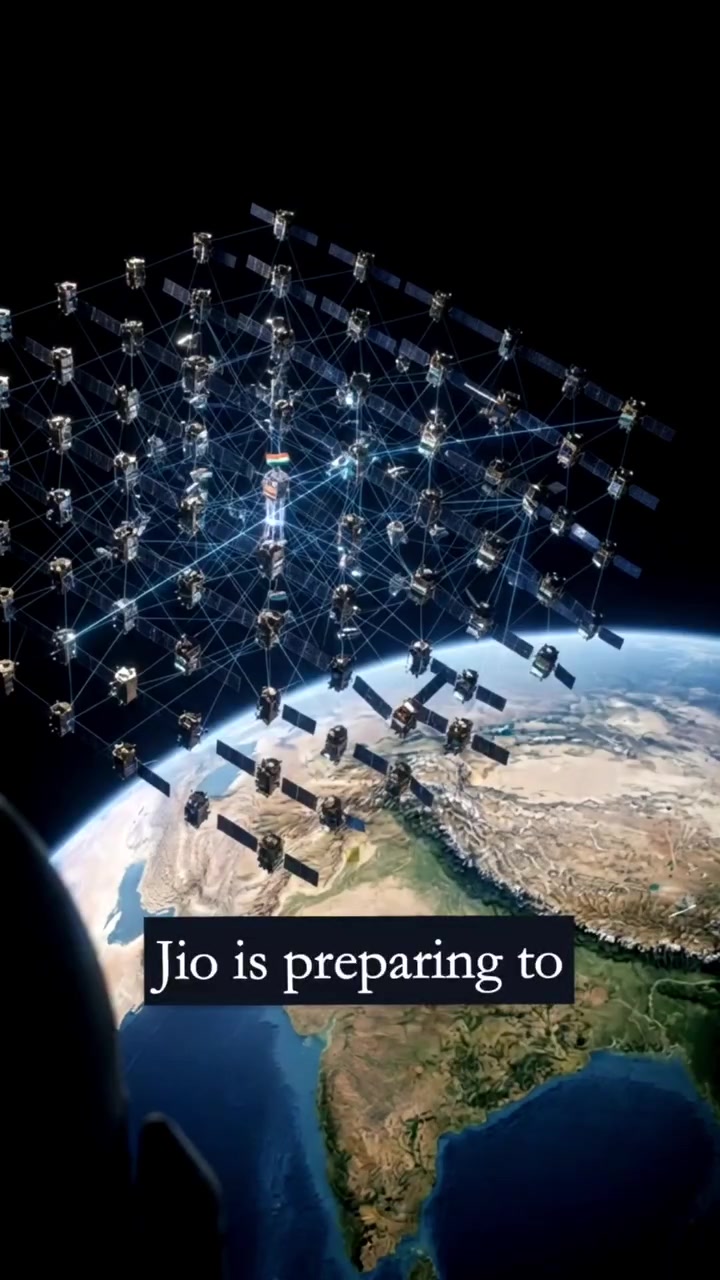
The company behind Satellite Jio launches a 1,600 satellite network into space — a project they expect to cost up to $15 billion. GEO anticipates that by 2035, the massive satellite constellation will be able to connect directly to phones and provide nearly 5 terabytes of data per second.
Orbital Infrastructure — the Basics of Satellite Internet
GEO's upcoming satellite network promises to decentralize internet access, but what is a satellite network, and how does it work? GEO does not intend to lay fiber cables. Instead, GEO plans to launch a constellation of 1,600 low Earth orbit (LEO) satellites. These satellites, placed close to Earth, move incredibly fast. Therefore, hundreds of satellites are needed to constantly hand off signals. Unlike geostationary satellites, which orbit about 22,000 miles above Earth, GEO's LEO satellites will sit approximately 600 miles above the ground. By orbiting at such low altitudes, these satellites can transmit data to devices on the Earth's surface with shorter lag times than traditional satellites. This high lift-off capability allows GEO to deliver data directly to your phone at nearly 5 terabytes per second, which could rival your ground connections. The problem is that these satellites travel at high speeds, so GEO must constantly hand off signals between satellites. These satellites must travel fast to ensure consistent connectivity, so they can't afford to idle. The satellites can then transmit data to devices on the Earth's surface without relying on geostationary satellites, which orbit about 22,000 miles above Earth. The 1,600 satellites, which orbit about nearly 600 miles above the ground. These satellites will be able to transmit data to devices on the Earth's surface, eliminating the need for geostationary satellites.
India's Telecom Revolution — The Ground Truth
GEO's future satellite internet network exists because of the harshest terrain and poorest connectivity that India maintains for high-speed internet. The Himalayas make laying fiber cables expensive and complicated. Therefore, GEO's LEO satellites are primed to overcome the obvious obstacles faced by the Himalayas with its huge orbital network. This creates a domestically controlled sovereign network for Indian military and disaster response forces. GEO's satellite network stands out when compared to ground-based infrastructure such as fiber cables. For many people, internet access may depend on the weather. GEO's orbital infrastructure is positioned to eliminate this big problem. Unlike ground connections, LEO satellites can bypass the obstacles posed by terrain and infrastructure.
Economies of Space
GEO’s satellite network presents a complex financial landscape. According to GEO, the project will cost up to $15 billion, a significant sum that underscores the ambitious scale of the venture. The testing begins in 2027, giving GEO nearly a decade to perfect its satellite network. A major challenge GEO faces is the degradation cycle of space hardware. GEO faces a relentless, expensive replacement cycle as space equipment degrades. A quick look at the space industry illustrates this reality. For example, the Iridium constellation, which launched its first satellites in 1998 and is still operational, has faced multiple challenges and upgrades over the years. The hardware can break down due to radiation, extreme temperatures, and other harsh conditions in space, GEO must ensure it can economically manufacture and launch satellites at a rapid pace to maintain the constellation.
The Influence of GEO on Connectivity
A major advantage of GEO's satellite network is its integration with its terrestrial telecom empire. Unlike standalone companies, GEO already owns a massive terrestrial telecoms. Until now, this telecom company has integrated 5G, ground fiber and satellite data into one seamless hybrid network. GEO's hybrid network will enable it to offer connectivity solutions that are more reliable and faster than traditional satellite internet providers. The company takes a unique approach to connectivity by integrating 5G, ground fiber, and satellite data into a single seamless hybrid network. This network confuses the traditional boundaries between space-based and ground-based connectivity, creating a seamless user experience. GEO's satellite network will provide reliable, high-speed connectivity to underserved regions, making it an attractive option for consumers and businesses.
Historical Development of Space
Low earth orbit satellites are not a new concept, but the technology behind them has evolved significantly over the years. The first LEO satellites were launched in the 1960s and 1970s, and since then, the technology has advanced rapidly. Today's LEO satellites are more advanced, with improved communication capabilities and longer lifespans. GEO's satellite network is the latest iteration of this technology, and it promises to revolutionize the way we think about connectivity. GEO enters a crowded field of telecom giants, including SpaceX and Amazon, who are also investing in space-based connectivity solutions. Unlike competitors, GEO differentiates itself by integrating its satellite network with its terrestrial telecom empire, creating a seamless hybrid network that confuses the boundary between space and ground.
Set Sight on Next Generation Connectivity
If you want to follow this windfall, keep an eye on GEO's developments. Pre-ordering the satellite network will ensure that you are among the first to experience its benefits. You should also stay informed about the latest updates and developments related to the satellite network. The historic launch of a LEO constellation would create a massive opportunity to revolutionize the way we think about connectivity. The satellite industry is moving into an entirely new phase as companies like GEO and SpaceX invest in space-based connectivity solutions. The development of a single hybrid network will create a new era of space-based connectivity. As these companies continue to innovate and push the boundaries of what is possible, we can expect to see even more exciting developments in the years to come. GEO stands out as a leader in this new era. GEO plans to put 1,600 satellites into orbit, which will provide nearly 5 terabytes of data per second, rivaling your ground connections.
Watch the Reel
Questions readers ask
What exactly are LEO satellites, and how do they differ from the satellites we usually hear about?
LEO, or low Earth orbit, satellites are placed much closer to Earth than traditional geostationary satellites, which orbit at about 22,000 miles. GEO's LEO satellites will be approximately 600 miles above the ground, which allows for faster data transmission and lower lag times. However, because they move so quickly, GEO needs a large constellation of these satellites to maintain constant connectivity. These satellites are constantly moving, so they can't idle, meaning they must hand off signals between each other.
How does GEO plan to connect directly to phones, and why is that significant?
GEO's satellite network is designed to transmit data directly to phones, which is a game-changer for connectivity in remote and rural areas. This capability could provide nearly 5 terabytes of data per second, rivaling the speeds of many ground connections. It means that even in remote areas, users could have high-speed internet access directly on their phones, bypassing the need for traditional infrastructure like fiber cables.
Why is India a strategic location for this satellite network, and what challenges does it address?
India's geography, particularly the Himalayan region, poses significant challenges for laying fiber cables. The terrain is harsh, making traditional internet infrastructure expensive and difficult to implement. GEO's satellite network aims to overcome these obstacles by providing high-speed internet access directly to phones, which is crucial for both civilian and military applications, especially in disaster response and remote areas.
How does GEO's satellite network compare to traditional ground-based internet infrastructure?
GEO's satellite network offers several advantages over traditional ground-based infrastructure. Unlike fiber cables, which can be disrupted by weather and terrain, LEO satellites can bypass these obstacles. This makes GEO's network particularly valuable in areas where laying fiber is impractical or costly, such as in mountainous regions or remote rural areas. Additionally, the direct-to-phone connectivity can provide high-speed internet access even in the most isolated locations.
What are the financial implications of GEO's satellite network project, and what challenges does it face?
The project is expected to cost up to $15 billion, which is a substantial investment. A significant challenge is the degradation cycle of space hardware, which means GEO will have to continually replace satellites as they degrade. This creates a relentless, expensive replacement cycle, which is a common issue in the space industry. For example, the Iridium constellation faced similar challenges, highlighting the ongoing costs and maintenance required for such projects.
When can we expect to see the results of this satellite network, and what milestones are planned?
GEO plans to begin testing in 2027, giving them nearly a decade to perfect the satellite network. The ultimate goal is to have the network fully operational by 2035, providing high-speed internet access directly to phones. This timeline allows for extensive testing and refinement, ensuring that the network can deliver on its promises of high-speed, reliable connectivity.
Related deep dives
Similar reads based on topic and creator.



Recent articles
Fresh deep dives from the latest Reels we unpacked.




Comments
Be the first to comment.