Zebra-Horse Hybrid: The Fascinating Zorse
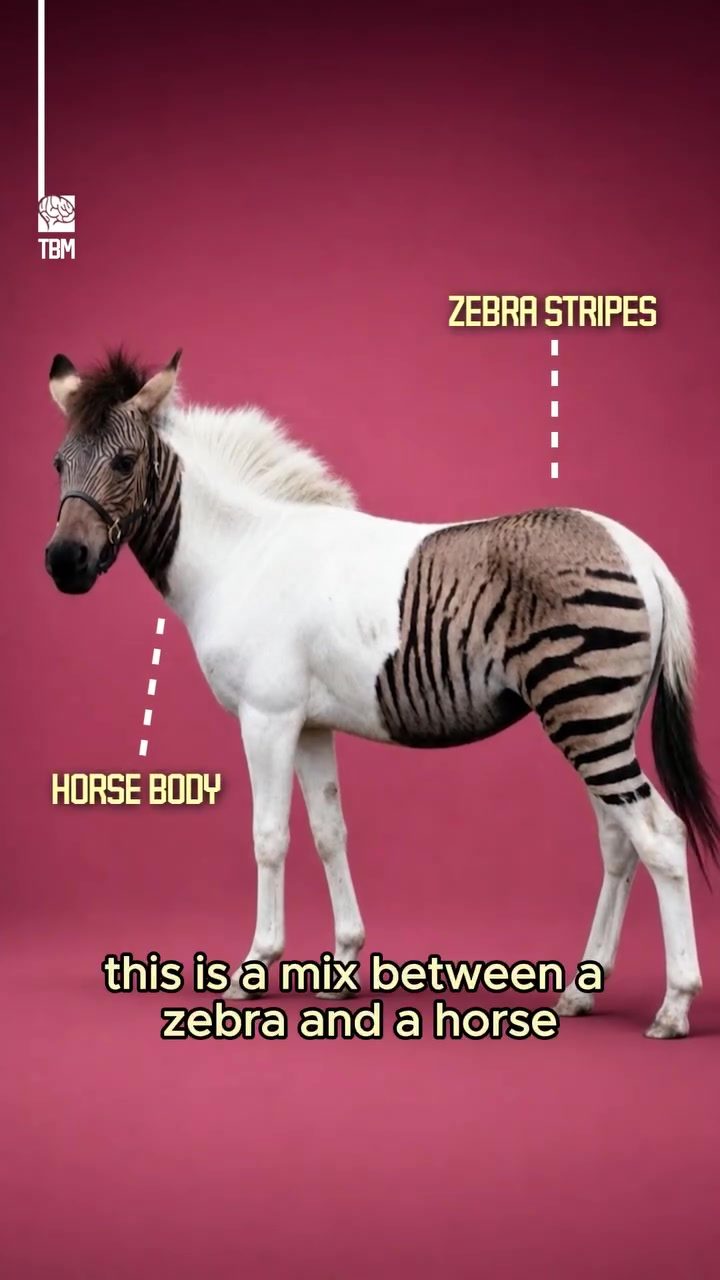
The zorse, a hybrid resulting from the mating of a zebra and a horse, is one of nature's rarest and most intriguing creatures. This unique animal combines characteristics from both parents, resulting in a distinctive appearance and genetic makeup that sets it apart from either species.
Context
Zorses are not as well-known as some other hybrids, such as mules or ligers. However, they offer a fascinating glimpse into the complexities of animal genetics and reproduction, making them a subject of interest for animal enthusiasts and geneticists alike.
Understanding the Zorse
Physical Appearance
The zorse typically exhibits a body shape and size similar to that of a horse. The most striking feature, however, is the dark stripes inherited from the zebra parent. These stripes can appear on various parts of the body, including the head, neck, legs, or hindquarters. No two zorses have the same stripe pattern, making each one unique.
Genetic Makeup
While the physical characteristics of a zorse are fascinating, the genetic differences are even more intriguing. Horses and zebras have different numbers of chromosomes, which means that when they reproduce, the resulting offspring—such as a zorse—inherits a genetic combination that does not pair correctly. This chromosomal mismatch often results in infertility, making it difficult for most zorses to produce offspring.
Zorses inherit a blend of traits from both parent species. They can possess the strength and endurance of a horse, as well as the alert and defensive instincts of a zebra. This combination of traits makes the zorse a unique and resilient animal.
The Formation and Challenges of a Zorse
Reproduction and Infertility
As mentioned, the chromosomal differences between horses and zebras mean that zorses often face reproductive challenges. The mismatched chromosomes can lead to infertility, making it difficult for zorses to reproduce naturally. This is a significant factor in why zorses are so rare. The genetic incompatibility also means that zorses are not a separate species but rather a rare biological hybrid.
Hybridization and Genetics
The process of hybridization between two closely related species like horses and zebras is a complex one. It involves the blending of genetic material from both parents, resulting in an offspring with traits from each. In the case of the zorse, this means inheriting the body shape and size of a horse along with the distinctive stripes of a zebra. However, the genetic incompatibility means that the resulting hybrid is often sterile, adding to the rarity of this unique animal.
Behavior and Instincts
Zorses inherit a mix of behaviors and instincts from their parent species. They can exhibit the strength and endurance of a horse, making them capable of handling various terrains and tasks. At the same time, they retain the alert and defensive instincts of a zebra, which can make them more cautious and wary of their surroundings. This combination of traits makes the zorse a unique and resilient animal, well-adapted to navigate different environments.
Practical Tips
If you encounter a zorse or are interested in learning more about these fascinating creatures, there are a few practical tips to keep in mind:
- Observation: Spend time observing the zorse's behavior and movements. Notice how it interacts with its environment and how its physical traits, such as stripes, impact its behavior.
- Conservation: Support conservation efforts aimed at protecting rare and endangered species, including hybrids like the zorse. This can help ensure that future generations have the opportunity to learn about and appreciate these unique animals.
- Educational Resources: Seek out reputable sources of information about animal genetics and hybridization. Understanding the science behind these processes can deepen your appreciation for the complexity and diversity of the natural world.
Important Takeaways
The zorse is a fascinating example of nature's ability to create unique and diverse animals through hybridization. Its distinctive appearance and genetic makeup make it a subject of interest for animal enthusiasts and geneticists alike. By understanding the complexities of the zorse's formation and the challenges it faces, we can gain a deeper appreciation for the natural world and the processes that shape it.
Conclusion
The zorse, a hybrid resulting from the mating of a zebra and a horse, is a rare and intriguing animal. Its unique appearance and genetic makeup make it a subject of interest for those fascinated by animal genetics and hybridization. Understanding the complexities of the zorse's formation and the challenges it faces can deepen our appreciation for the natural world and the processes that shape it. Whether you encounter a zorse in person or learn about it through various resources, this remarkable animal offers a glimpse into the wonders of nature and the intricacies of animal genetics.
Watch the Reel
Questions readers ask
What is a zorse and how is it created?
A zorse is a rare animal born from the mating of a zebra and a horse. This hybridization process results in an offspring that combines physical and genetic traits from both parent species, creating a unique animal.
What are the most distinctive features of a zorse?
The most notable features of a zorse are its dark stripes, which are inherited from the zebra parent, and its overall body shape and size, which are more similar to that of a horse. These stripes can vary in pattern and intensity, adding to the zorse's unique appearance.
How does the genetic makeup of a zorse compare to its parents?
A zorse inherits a combination of chromosomes from both the zebra and the horse, resulting in a unique genetic profile. This mix of genetic material contributes to the zorse's distinctive appearance and behavior, which can sometimes display traits from both parent species.
Are zorses commonly found in the wild?
Zorses are not commonly found in the wild. Due to the rarity of successful zebra-horse mating, most zorses are the result of controlled breeding in captivity, often in zoos or specialized animal facilities.
Can zorses reproduce and have offspring?
Male zorses, known as hinnies, are typically infertile due to chromosomal differences. However, female zorses, known as zedonks, can sometimes reproduce with either a horse or a zebra, though the offspring's fertility varies.
What do zorse stripes typically look like?
The stripes on a zorse can vary widely, ranging from faint and scattered to bold and distinct. They often appear on the legs, body, and sometimes even the head, creating a visually striking pattern that sets the zorse apart from its parent species.
What makes the study of zorses significant for animal enthusiasts and geneticists?
The study of zorses offers valuable insights into animal genetics and reproduction. By examining the hybridization process and the resulting traits, researchers can gain a better understanding of how genetic material is inherited and expressed in mammals.
Recent articles
Fresh deep dives from the latest Reels we unpacked.




Comments
Be the first to comment.