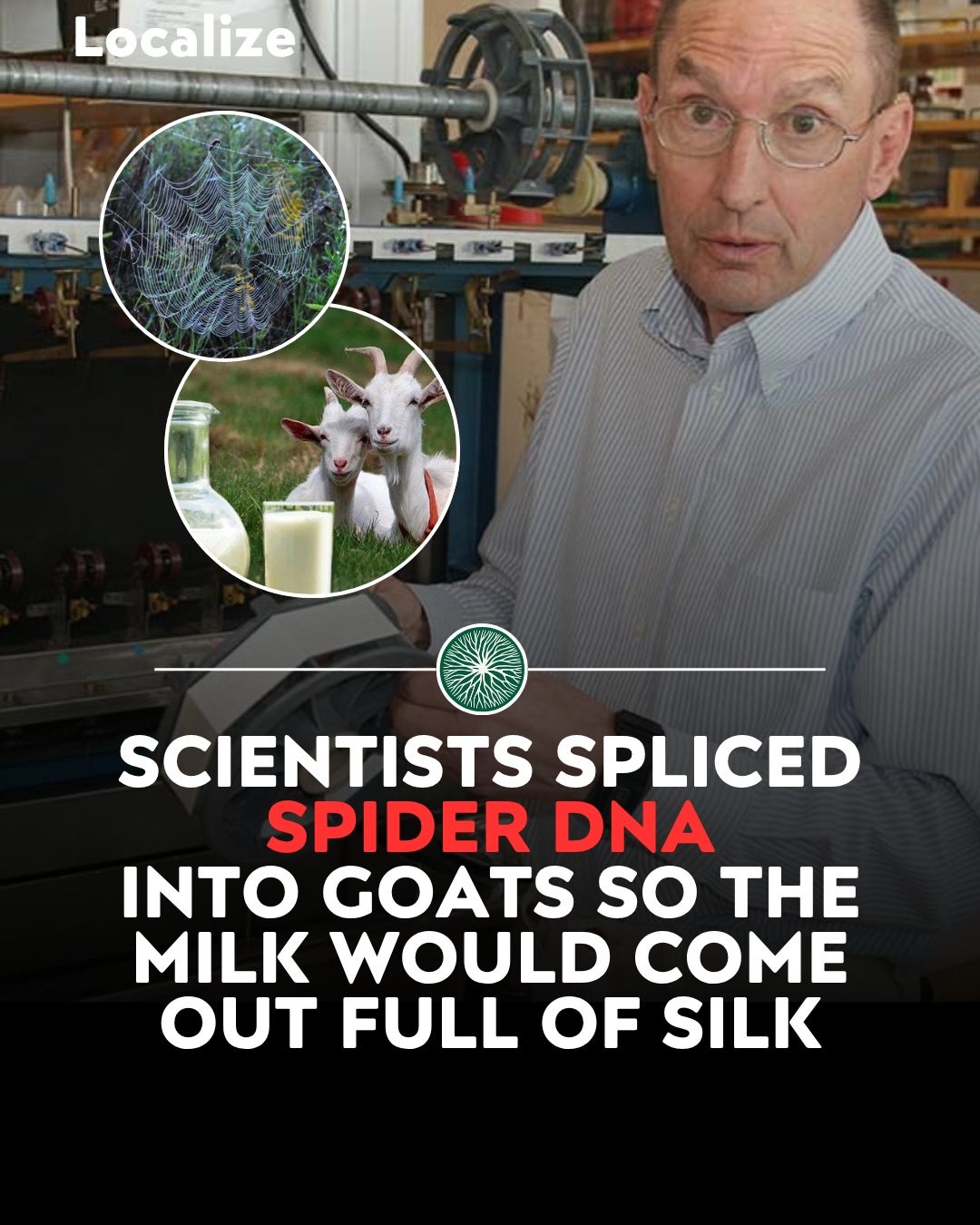
Spider Silk Goat Milk: A Revolutionary Material Harvest
The experiment involving genetically modified goats producing milk rich in spider silk proteins has captured the imagination of scientists and enthusiasts alike. This innovative research, spearheaded by Dr. Randy Lewis at Utah State University, opens new avenues for material science and biomedicine.
Context / Why this matters
Spider silk is renowned for its exceptional strength and flexibility, being stronger by weight than steel. However, harvesting silk from spiders is impractical due to their small size and cannibalistic nature. The solution? Genetic engineering. By splicing spider DNA into goats, scientists have found a way to produce large quantities of silk proteins through goat milk.
This groundbreaking experiment was never about dairy; it was about creating a unique material that couldn't be manufactured through traditional methods. The milk from these transgenic goats contains the same proteins that make spider silk, offering a renewable and scalable source of this remarkable material.
Main discussion
The Science Behind the Experiment
The process involves inserting the genes responsible for spider silk production into the goat's DNA. These genes are then expressed in the goat's mammary glands, allowing the silk proteins to be secreted into the milk. The milk is collected and processed to extract the silk proteins, which can then be spun into fibers.
The Role of Dr. Randy Lewis
Dr. Randy Lewis, a distinguished professor at Utah State University, has been at the forefront of this research. His work focuses on the potential applications of spider silk, including biomedical uses such as sutures, scaffolds for tissue engineering, and even as a component in bulletproof vests.
The Localize App
The 'Localize' app is promoted as a resource for finding this specialized milk. It serves as a platform for connecting producers and consumers of unique, high-value agricultural products. For those interested in the benefits of spider silk-infused milk or other innovative dairy products, the app offers a convenient way to locate and purchase these items.
Applications of Spider Silk
Spider silk has a wide range of potential applications. Its strength and elasticity make it ideal for medical uses, such as sutures that can be absorbed by the body without causing an immune response. In the textile industry, spider silk could revolutionize the production of high-performance fabrics. Additionally, its unique properties make it a promising material for use in advanced composites and even in the development of new biomedical devices.
Practical tips
If you're interested in exploring the world of transgenic animals and their unique products, here are a few practical tips:
- Stay Informed: Keep up with the latest research and developments in genetic engineering and biomedicine. Websites like PubMed and journals like Nature offer valuable insights.
- Connect with Scientists: Follow researchers like Dr. Randy Lewis to stay updated on their work. Many scientists share their findings and ongoing experiments on professional platforms like ResearchGate.
- Explore Online Resources: Apps like 'Localize' can be a great starting point for finding unique, high-value agricultural products, including those derived from transgenic animals.
Important takeaways
- Innovative Research: The experiment with spider silk goats showcases the potential of genetic engineering in creating unique materials.
- Applications: Spider silk has wide-ranging applications, from biomedical uses to advanced textiles.
- Accessibility: Platforms like 'Localize' make it easier for consumers to access these innovative products.
- Future Prospects: Continued research in this field could lead to even more groundbreaking discoveries and applications.
Conclusion
The experiment involving spider silk goats is a testament to the incredible advancements in genetic engineering and biomedicine. By harnessing the unique properties of spider silk, researchers like Dr. Randy Lewis are paving the way for new materials and technologies that could revolutionize various industries. Whether you're a scientist, an enthusiast, or simply curious about the future of biomaterials, this experiment is a fascinating glimpse into what's possible.
Watch the Reel
Questions readers ask
How do genetically modified goats produce spider silk milk?
Genetically modified goats produce spider silk milk through a process where spider DNA is spliced into the goat's DNA. This genetic modification allows the goats to express spider silk proteins in their milk, which can then be harvested and processed.
What makes spider silk so valuable in material science?
Spider silk is highly valued for its extraordinary strength and flexibility. It is stronger than steel by weight, making it an ideal material for various applications in materials science and biomedicine.
Why is it challenging to harvest silk directly from spiders?
Harvesting silk directly from spiders is challenging due to their small size and aggressive, cannibalistic behavior. Additionally, spiders produce only small amounts of silk, making large-scale production impractical.
What are the potential medical applications of goat silk material?
Spider silk produced by genetically modified goats has potential medical applications, including wound dressings, surgical sutures, and tissue engineering. Its strength and biocompatibility make it a promising material for various medical uses.
How does the process of DNA splicing work in goats to produce spider silk milk?
DNA splicing involves inserting specific spider DNA sequences into the goat's genome. This genetic modification allows the goat to produce spider silk proteins, which are then secreted into the milk. The milk can then be collected and processed to extract the silk proteins.
What are the benefits of using goats for spider silk production?
Goats are an efficient choice for spider silk production due to their ability to produce large quantities of milk. Additionally, goats have a faster reproduction rate and are easier to handle compared to spiders, making them a more practical option for large-scale production.
What advancements in material science can be expected from goat silk material?
The goat silk material derived from spider silk proteins holds promise for advancements in material science, including the development of lightweight, strong materials for textiles, protective gear, and even advanced composites for aerospace and automotive industries.
Related deep dives
Similar reads based on topic and creator.




Recent articles
Fresh deep dives from the latest Reels we unpacked.




Comments
Be the first to comment.