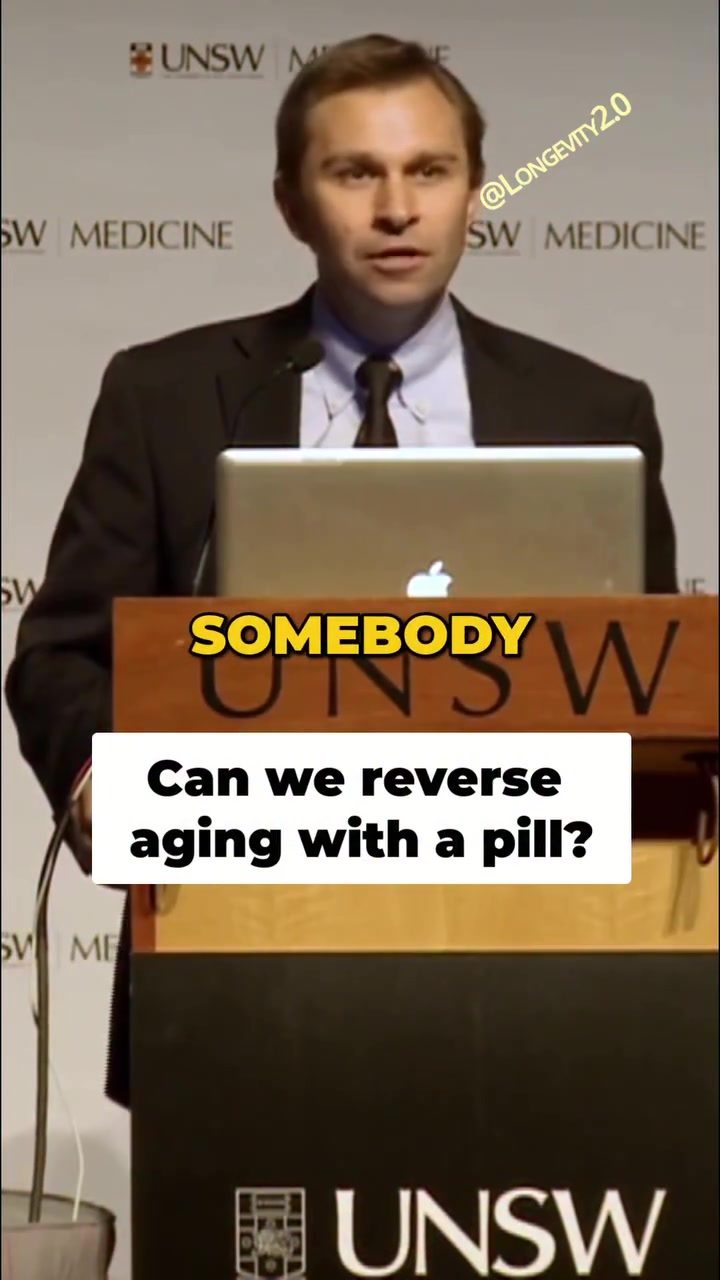
Aging Reversal Research
The idea of reversing aging has long been a subject of scientific curiosity and speculation. Recent advancements in longevity science, particularly from institutions like UNSW Medicine, are shedding new light on the mechanisms behind aging and how this process might be controlled and even reversed.
Why This Matters
Aging is a universal and inevitable process, yet not all individuals age at the same rate. While some people may look significantly younger than their chronological age, others seem to age more rapidly. Understanding the factors that influence aging rates could lead to groundbreaking advancements in healthcare.
Genes and Aging
According to Dr. David Sinclair and other prominent researchers, genes play a crucial role in determining the pace of human aging. This insight is pivotal because it shifts the perspective from viewing aging as a fixed, linear process to understanding it as a regulated biological mechanism. Think of it as a biological dial rather than a countdown clock.
The Role of Genes
Research has identified specific genes that appear to regulate the aging process. These genes act as controllers, influencing how quickly or slowly a person ages. This discovery opens the door to the possibility of manipulating these genes to slow down aging. By targeting these genetic regulators, scientists hope to find ways to extend healthspan—the period of life spent in good health, free from disease.
Disease Prevention
One of the most compelling aspects of aging research is its potential to revolutionize disease prevention. Aging itself is a significant risk factor for many major diseases, including Alzheimer's, Type 2 diabetes, heart disease, cancer, and frailty.
The Pill for Many Diseases
A fascinating aspect of this research is the possibility of developing a single pill that could treat multiple diseases. Rather than creating specific treatments for each condition, the goal is to develop a pill that targets the root cause of aging, thereby preventing or delaying a range of age-related diseases. This pill could potentially treat conditions like Type 2 diabetes or Alzheimer's as a primary effect, while simultaneously preventing 15 to 20 other major diseases as a side effect.
The Future of Healthcare
The shift in medicine from treating sickness to delaying biological decline represents a paradigm shift in healthcare. Instead of focusing on curing diseases one by one, the future of medicine may involve targeting the underlying cause of aging itself.
Preventive Medicine
By understanding and controlling the genes that regulate aging, researchers aim to develop interventions that can slow down or even reverse the aging process. This approach could lead to a significant reduction in age-related diseases, improving overall health and quality of life for individuals as they age.
The Pill for All
The idea of a single pill that targets aging itself is particularly intriguing. Instead of relying on multiple medications to manage various age-related conditions, this pill could potentially address the root cause, leading to a more holistic approach to healthcare.
Practical Tips for Aging Well
While the research on reversing aging is still in its early stages, there are practical steps individuals can take to promote healthy aging.
Maintain a Healthy Lifestyle
A balanced diet, regular exercise, and adequate sleep are fundamental to maintaining good health and slowing the aging process naturally.
Stay Mentally Active
Engaging in mentally stimulating activities such as reading, puzzles, and learning new skills can help keep the mind sharp and potentially slow cognitive decline.
Regular Check-ups
Regular medical check-ups and age-appropriate screenings can help detect potential health issues early, allowing for timely intervention and better management.
Manage Stress
Chronic stress can accelerate aging, so finding effective ways to manage stress, such as meditation, yoga, or other relaxation techniques, is essential.
Social Connections
Maintaining strong social connections and a supportive social network can have a positive impact on both mental and physical health, contributing to overall well-being and longevity.
Important Takeaways
The research on aging reversal and the role of genes in controlling the aging process is groundbreaking. It represents a shift from treating diseases to preventing them by targeting the root cause of aging. This approach has the potential to revolutionize healthcare and significantly improve the quality of life for individuals as they age.
Conclusion
The future of aging research holds immense potential. By understanding and controlling the genes that regulate aging, scientists aim to develop interventions that can slow down or even reverse the aging process. This shift towards preventive medicine and a more holistic approach to healthcare could lead to a significant reduction in age-related diseases, improving overall health and quality of life for individuals as they age. While the goal is not to make humans live 200 years, the potential to delay biological decline and prevent multiple diseases is a compelling and exciting prospect. The research conducted by institutions like UNSW Medicine is at the forefront of this transformative field, offering hope and new possibilities for a healthier, longer life.
Watch the Reel
Questions readers ask
Which specific genes has UNSW Medicine identified as key regulators of the aging process?
UNSW Medicine's research has pinpointed several genes that significantly influence the aging process. While the exact gene names may not be detailed in the article, these findings are part of the broader research into longevity and healthspan extension, which aims to identify genetic factors that control aging and could lead to the prevention of aging-related diseases.
How might understanding these genes help in extending healthspan?
By identifying the genes that control aging, researchers at UNSW Medicine hope to develop targeted therapies. These therapies could potentially slow down the aging process, allowing individuals to maintain better health for a longer period, thereby extending their healthspan.
What are the potential implications of UNSW Medicine's discoveries for preventing diseases?
The breakthroughs in identifying genes that regulate aging could pave the way for new treatments and preventative measures. By understanding and controlling the genetic factors that influence aging, it may be possible to prevent or delay the onset of many age-related diseases, such as cardiovascular conditions, neurodegenerative disorders, and certain cancers.
How does UNSW Medicine's research contribute to the field of longevity science?
UNSW Medicine's research adds significant depth to the field of longevity science by providing concrete evidence of specific genes involved in the aging process. This knowledge can guide further studies and clinical trials, bringing us closer to practical applications that could extend human lifespan and improve overall well-being.
What are the next steps for UNSW Medicine in their aging research?
Following the discovery of these key genes, UNSW Medicine is likely to focus on translating their findings into clinical applications. This could involve developing and testing new drugs or therapies that target these genes, with the goal of slowing down aging and enhancing healthspan in real-world scenarios.
How do the genes identified by UNSW Medicine influence the rate of aging?
The genes identified by UNSW Medicine are believed to act as regulators, controlling various biological pathways that affect how quickly or slowly a person ages. By understanding and potentially manipulating these genetic influences, it may be possible to slow down the aging process and reduce the risk of age-related diseases.
Recent articles
Fresh deep dives from the latest Reels we unpacked.




Comments
Be the first to comment.