Generational Intelligence: A Complex Debate
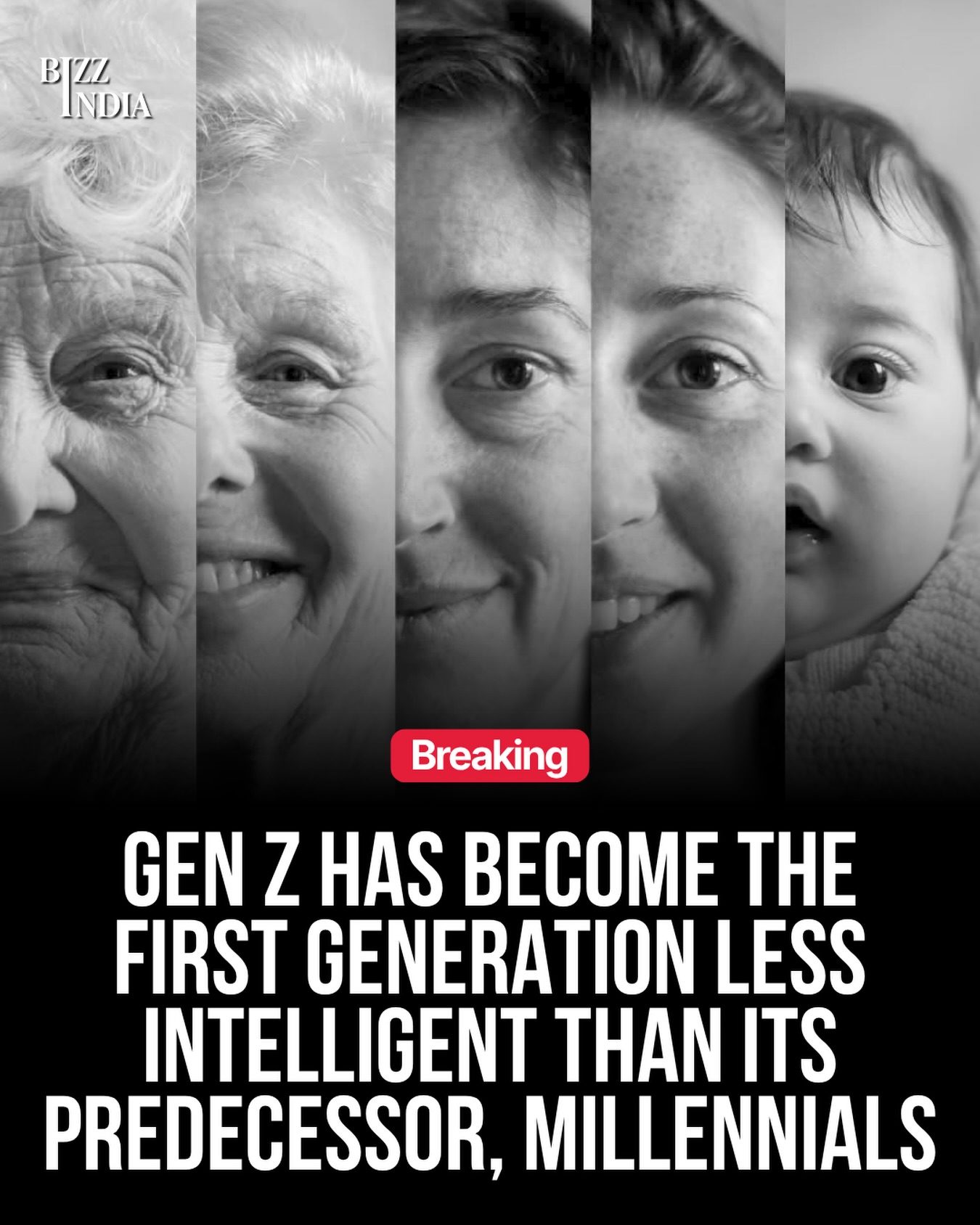
The claim that Generation Z is "less intelligent" than Millennials has sparked intense debate. This assertion, highlighted by BIZZ INDIA, is backed by recent research and U.S. Senate testimony, which point to declines in areas such as literacy, numeracy, attention, and problem-solving among younger generations. However, experts caution that lower test scores do not automatically equate to lower intelligence, making the reality more complex.
Context / Why This Matters
The question of generational intelligence is more than just a topic for debate. It touches on broader issues of education, technology, and societal change. Understanding the nuances of this discussion is crucial for addressing the challenges faced by today's youth and for shaping effective policies and interventions.
The Claim: Gen Z vs. Millennials
The core of the debate revolves around the claim that Gen Z is the first generation to exhibit lower intelligence compared to its predecessors, specifically Millennials. This idea is substantiated by several indicators, including declining test scores in key areas.
Declining Test Scores
Recent studies and Senate testimony highlight significant drops in literacy and numeracy skills among younger generations. These declines are not isolated incidents but represent a broader trend that has been observed over time. Lower test scores in areas like attention and problem-solving further compound the concern.
Expert Cautions
Experts urge caution in interpreting these findings. Lower test scores do not necessarily indicate lower intelligence. Factors such as changes in testing methods, increased distractions, and the evolving nature of education can all influence test performance. Furthermore, intelligence is multifaceted and encompasses more than just academic achievements. Social, emotional, and creative intelligence are also vital components that may not be captured in standardized tests.
The Role of Technology
Technology is often cited as a key factor in the changing landscape of intelligence. The question remains: is technology making us smarter, or simply more dependent?
Technological Advancements
Technology has revolutionized the way we access and process information. The internet, smartphones, and other digital tools provide unprecedented access to knowledge and resources. This accessibility can foster intellectual growth and creativity, enabling younger generations to learn and innovate in ways previous generations could not.
Dependence and Attention
However, there is a darker side to this technological revolution. The constant bombardment of information and stimuli can lead to decreased attention spans and reduced problem-solving abilities. Excessive reliance on technology for information retrieval and decision-making can diminish critical thinking skills and the ability to function independently.
Social and Emotional Intelligence
The impact of technology on social and emotional intelligence is a growing area of interest. While digital communication tools facilitate global connectivity, they can also hinder the development of face-to-face interaction skills. The ability to read social cues, manage emotions, and build meaningful relationships is crucial for overall well-being and success.
Practical Tips for Enhancing Intelligence Across Generations
Given the complex interplay of factors affecting generational intelligence, a multifaceted approach is necessary to enhance cognitive, emotional, and social skills.
Balanced Technology Use
Promote balanced technology use, encouraging both online learning and offline activities. Limit screen time and encourage face-to-face interactions. Engage in activities that promote critical thinking, such as reading, puzzle-solving, and hands-on projects.
Holistic Education
Advocate for a holistic education system that values not just academic achievement but also emotional and social intelligence. Incorporate mindfulness, creativity, and interpersonal skills into the curriculum. Encourage a growth mindset where learning is seen as a lifelong journey rather than a series of tests and grades.
Active Engagement
Encourage active engagement in learning and problem-solving. Instead of relying on digital tools for instant answers, foster a culture of curiosity and inquiry. Encourage questioning, exploring, and experimenting to develop independent thinking and problem-solving skills.
Community Involvement
Promote community involvement and real-world experiences. Volunteering, internships, and community service can provide valuable learning opportunities and help develop practical skills. Engaging with diverse perspectives can also enhance social and emotional intelligence.
Important Takeaways
The debate surrounding generational intelligence is far from simple. While the declining test scores in literacy, numeracy, attention, and problem-solving are concerning, they do not tell the whole story. Intelligence is a multifaceted concept that encompasses more than just academic achievements. Technology, while a significant factor, is not a lone determinant of intelligence.
Technology as a Double-Edged Sword
Technology offers unparalleled access to information and resources but can also lead to dependence and decreased attention spans. Balancing technological use and promoting face-to-face interactions is crucial for developing social and emotional intelligence.
Holistic Approach to Education
A holistic approach to education that values not just academic achievement but also emotional and social skills is necessary. Encouraging a growth mindset and incorporating mindfulness and creativity into the curriculum can foster well-rounded individuals.
Active Engagement and Community Involvement
Active engagement in learning and real-world experiences can enhance problem-solving and critical thinking skills. Community involvement and diverse interactions can also promote social and emotional intelligence.
Conclusion
The debate over generational intelligence is complex, with both technological advancements and holistic education playing crucial roles. Understanding the nuances of this discussion is essential for addressing the challenges faced by today's youth and for shaping effective policies and interventions. By fostering a balanced approach to technology use, promoting holistic education, and encouraging active engagement and community involvement, we can help cultivate well-rounded, intelligent individuals across generations.
Watch the Reel
Questions readers ask
Why are Generation Z's test scores declining in key areas like literacy and numeracy?
Generation Z's declining test scores in literacy, numeracy, and problem-solving skills are influenced by multiple factors, including changes in educational methods, increased reliance on technology, and differing societal expectations compared to previous generations. Research from various sources has contributed to the debate surrounding the reasons behind these declines.
Does a decline in test scores indicate a decline in intelligence for Generation Z?
Not necessarily. While test scores are one metric, they do not solely determine intelligence. Experts argue that the complexity of human intelligence extends beyond standardized test performance, making it crucial not to conflate lower scores with lower intelligence.
How does Generation Z's problem-solving skills compare to those of Millennials?
The debate suggests that Generation Z may face challenges in traditional problem-solving skills, as reflected in lower test scores. However, this does not mean they lack innovative thinking or adaptability, which are increasingly valuable in a rapidly changing world.
What role does technology play in the intelligence debate between Generation Z and Millennials?
Technology is a significant factor in how Generation Z processes information and solves problems. While it may contribute to lower scores in traditional areas, it also opens new avenues for learning and skill development that are not captured by conventional tests.
Are there specific areas where Millennials excel compared to Generation Z?
Some studies suggest Millennials may have an edge in areas like sustained attention and traditional literacy skills. However, these differences do not invalidate the unique strengths and abilities of Generation Z, which may better align with the demands of the modern world.
What broader issues are tied to the debate on generational intelligence?
The discussion on generational intelligence touches on various aspects of society, including how technology is integrated into learning, the evolving nature of work, and the changing expectations placed on young people. Addressing these issues can help provide a more comprehensive understanding of generational differences.
How can understanding this debate help address the challenges faced by today's youth?
By recognizing the complexities of generational intelligence, we can better tailor support systems, learning methods, and societal expectations to meet the unique needs of Generation Z. This understanding can lead to more effective strategies for helping young people thrive in an ever-changing world.
Related deep dives
Similar reads based on topic and creator.


Recent articles
Fresh deep dives from the latest Reels we unpacked.




Comments
Be the first to comment.