Alcohol Consumption Trends
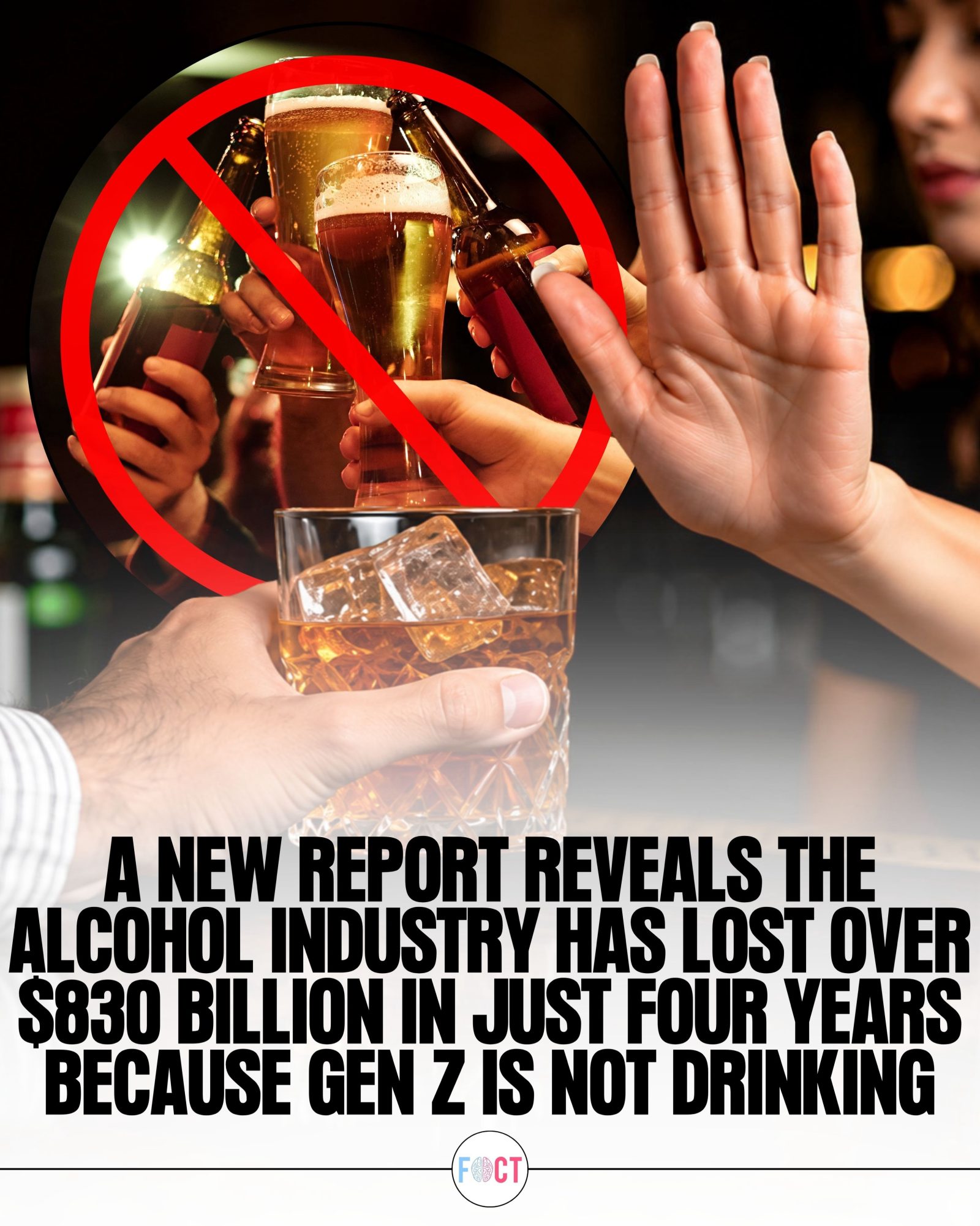
The alcohol industry is facing a significant shift as younger generations, particularly Gen Z, are consuming less alcohol. This trend has had a substantial impact on the industry, leading to a reported loss of over $830 billion in just four years. This change is driven by a variety of factors, including a greater emphasis on health, wellness, and alternative social experiences.
Why this matters
Understanding these trends is crucial for both consumers and industry stakeholders. For consumers, it provides insight into changing social norms and health-conscious choices. For the industry, it highlights the need to adapt to new market demands and consumer behaviors. As Gen Z continues to influence the market, the beverage industry must evolve to stay relevant and profitable.
Main discussion
The Shift in Drinking Habits
For generations, alcohol has been a staple of social life, from weekend parties to nights out with friends. However, younger adults are increasingly choosing to drink less frequently, opting for alcohol-free alternatives, or avoiding alcohol entirely. This shift is driven by a greater emphasis on fitness, mental health, productivity, and overall well-being. Many young people are prioritizing wellness and are more conscious of the impact of alcohol on their health. Activities like travel, technology, gaming, and wellness are becoming more attractive than traditional drinking culture.
The Economic Impact
The alcohol industry has lost over $830 billion in just four years. This significant financial loss is attributed to the changing consumption habits of younger generations. As consumer habits evolve, alcohol companies are facing growing uncertainty about future demand. Non-alcoholic drinks, on the other hand, have become one of the fastest-growing segments of the market. This shift is a clear indication of the changing preferences of younger consumers.
Industry Response
As consumer habits evolve, the beverage industry is facing growing uncertainty about future demand. Many alcohol companies are now diversifying their product offerings to include more non-alcoholic beverages. This response is driven by the need to adapt to the changing market and retain their customer base. The focus is moving from routine consumption toward more intentional choices about health, lifestyle, and social experiences.
Changing Social Norms
Choosing not to drink is becoming increasingly common and socially accepted among younger generations. This shift in social norms is driven by a greater emphasis on health and wellness. As a result, the drinking culture is changing. The focus is moving from routine consumption toward more intentional choices about health, lifestyle, and social experiences.
Practical tips
If you are part of the beverage industry, it is essential to adapt to the changing market. Here are some practical tips to help you navigate this shift:
- Diversify Your Product Offerings: Include more non-alcoholic beverages in your product lineup to cater to the changing preferences of younger consumers.
- Emphasize Health and Wellness: Highlight the health benefits of your products and promote a balanced lifestyle. This will appeal to health-conscious consumers.
- Engage with Younger Consumers: Understand the preferences and values of younger consumers and tailor your marketing strategies accordingly.
- Promote Intentional Consumption: Encourage more intentional choices about health, lifestyle, and social experiences. This will resonate with younger consumers who are looking for a more meaningful experience.
If you are a consumer, here are some tips to help you make more informed choices:
- Explore Alcohol-Free Alternatives: There are many delicious and healthy non-alcoholic beverages available. Experiment with different options to find what you enjoy.
- Focus on Wellness: Prioritize your health and wellness. This will not only benefit your physical health but also contribute to your overall well-being.
- Engage in Alternative Social Activities: Choose activities that promote health and wellness, such as travel, technology, gaming, and wellness. This will provide a more meaningful social experience.
Important takeaways
- Younger generations, particularly Gen Z, are consuming less alcohol.
- This shift is driven by a greater emphasis on health, wellness, and alternative social experiences.
- The alcohol industry has lost over $830 billion in just four years due to this trend.
- Non-alcoholic drinks are becoming one of the fastest-growing segments of the market.
- Choosing not to drink is becoming increasingly common and socially accepted.
- The focus is moving from routine consumption toward more intentional choices about health, lifestyle, and social experiences.
- The beverage industry must adapt to the changing market and consumer preferences.
Conclusion
The shift in alcohol consumption trends is a significant development that affects both consumers and the beverage industry. As younger generations prioritize health and wellness, the industry must adapt to the changing market and consumer preferences. By understanding these trends, consumers can make more informed choices, and the industry can thrive in this evolving landscape.
Watch the Reel
Questions readers ask
What are the primary reasons behind Gen Z's decline in alcohol consumption?
Gen Z is drinking less due to a stronger focus on health and wellness, as well as a preference for alternative social experiences. Many in this generation are more conscious about their physical and mental well-being and are seeking out non-alcoholic beverages and activities that align with their values.
How has the alcohol industry been impacted by Gen Z's drinking habits?
The alcohol industry has experienced a significant financial setback due to the shift in Gen Z's drinking habits, with a reported loss of over $830 billion over four years. This trend has forced industry stakeholders to reconsider their strategies and adapt to the changing market dynamics.
What are some alternative social experiences that Gen Z is embracing instead of drinking?
Gen Z is exploring a variety of alternative social experiences, such as fitness classes, wellness retreats, and non-alcoholic social events. These activities not only promote health and well-being but also provide opportunities for social interaction and community building.
Why is it important for the alcohol industry to understand Gen Z's drinking trends?
Understanding Gen Z's drinking trends is crucial for the alcohol industry to stay relevant and competitive. By recognizing the shift towards healthier lifestyles and alternative social experiences, the industry can innovate and offer products and experiences that resonate with younger consumers.
What kind of adaptations can the alcohol industry make to cater to Gen Z's preferences?
The alcohol industry can adapt by introducing more non-alcoholic and low-alcoholic beverage options, as well as promoting events and experiences that align with Gen Z's values. Additionally, partnering with wellness influencers and organizing health-conscious campaigns can help engage this demographic.
How has Gen Z's social culture influenced the drinking habits of younger generations?
Gen Z's social culture has a strong emphasis on health and wellness, which has significantly influenced the drinking habits of younger generations. This cultural shift is leading to a broader acceptance of non-alcoholic beverages and a deeper appreciation for activities that promote well-being.
Recent articles
Fresh deep dives from the latest Reels we unpacked.




Comments
Be the first to comment.