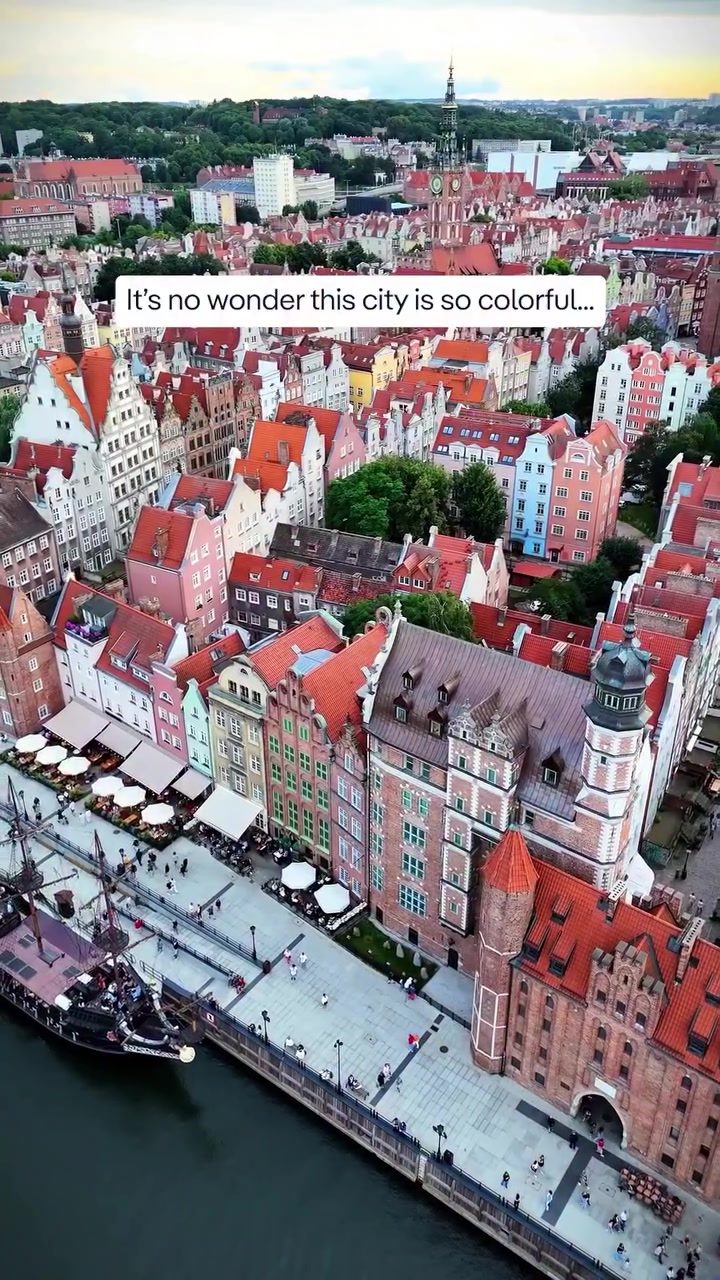
Gdańsk's Colorful History
Gdańsk, Poland, is known for its striking and vibrant architecture. The city's buildings are not brightly colored by accident; rather, the bold hues are a deliberate and historical feature that dates back centuries.
Context / Why this matters
Understanding the significance of Gdańsk's colorful buildings offers insights into the city's rich trade history and cultural heritage. During the Hanseatic period, Gdańsk was a prosperous hub for merchants and traders. The vibrant colors that adorn the city's buildings today serve as a quiet reminder of this past, telling a story of wealth, power, and trade success.
Main discussion
The Significance of Color in Gdańsk
Gdańsk's merchants used color as a form of communication and display. In the 16th and 17th centuries, merchants decorated their homes in bold hues to signify their wealth, status, and trade success. Each color had a meaning, and by using a specific color or combination of colors, a merchant could convey their achievements and social standing to the world. This practice was so widespread that it became a part of the city's identity, transforming Gdańsk into a vibrant tapestry of color.
The Hanseatic Legacy
The Hanseatic League, a powerful economic and defensive confederation of merchant guilds and market towns in Northwestern and Central Europe, played a crucial role in shaping Gdańsk's history. During this period, Gdańsk was one of the most important trading ports in the Baltic region. Merchants from various parts of Europe would converge in Gdańsk, bringing with them goods, knowledge, and cultural influences.
As a result of this bustling trade activity, Gdańsk's architecture evolved to incorporate a mix of styles and influences. The city's buildings reflect the diverse cultural heritage of its inhabitants, with elements from Gothic, Renaissance, and Baroque architecture.
The Evolution of Gdańsk's Architecture
Over the centuries, Gdańsk's architecture has evolved, but the colorful legacy has persisted. Today, the city's vibrant buildings serve as a visual reminder of its rich history and cultural heritage. The bold hues of red, orange, and yellow that line the streets of Gdańsk are a testament to the city's Hanseatic past and the merchants who once called it home.
The Symbolism of Color
The colors used in Gdańsk's architecture were not merely decorative; they carried deep symbolism. For instance, red was often associated with power and wealth, while blue symbolized nobility and royalty. Merchants would select colors that best represented their status and achievements, ensuring that their homes stood out and conveyed the right message to passersby. This practice continues to this day, with many of Gdańsk's buildings still adorned in vibrant hues that pay homage to the city's mercantile past.
Practical tips
Visiting Gdańsk
While in Gdańsk, take the time to explore the city's historic neighborhoods and marvel at the colorful architecture. The Long Market, St. Mary's Church, and the Artus Court are must-visit attractions that showcase the city's rich history and vibrant colors.
If you're a history enthusiast, consider taking a guided tour of Gdańsk's historic sites. Many tours offer insights into the city's Hanseatic past and the significance of its colorful buildings. This can provide a deeper understanding of the cultural heritage and history of Gdańsk.
Important takeaways
The vibrant colors of Gdańsk's architecture are not merely aesthetic; they are a testament to the city's rich history and the role it played in the Hanseatic League. The bold hues that adorn the city's buildings were once used by merchants to signify their wealth, status, and trade success. Today, these colors serve as a visual reminder of Gdańsk's Hanseatic past, and they continue to tell the story of the city's cultural heritage.
Conclusion
Gdańsk's colorful buildings are a captivating blend of history, culture, and symbolism. From the merchants who decorated their homes in bold hues to the city's rich Hanseatic past, the vibrant architecture of Gdańsk tells a story of wealth, power, and trade success. The next time you find yourself in Gdańsk, take a moment to appreciate the colorful buildings that line the streets, and remember the story they tell of a city that once thrived as a hub for merchants and traders.
Watch the Reel
Questions readers ask
Why are the buildings in Gdańsk so brightly colored?
Gdańsk's buildings are vibrantly colored as a historic symbol of the city's wealth and success in trade. During the Hanseatic period, merchants used these colors to communicate their affluence and status, making the city a visual testament to its prosperous past.
What is the Hanseatic period and how does it relate to Gdańsk's architecture?
The Hanseatic period refers to the time when Gdańsk was a crucial member of the Hanseatic League, a powerful economic and defensive alliance of merchant guilds and market towns in Northwestern and Central Europe. During this time, Gdańsk's architecture flourished, with merchants using colorful buildings to display their trade success, contributing to the city's renowned colorful landscape.
What can the colors of Gdańsk's buildings tell us about the city's history?
The vivid colors of Gdańsk's buildings provide a window into the city's rich trade history and cultural heritage. Each color and design serves as a reminder of the wealth, power, and trade success that flowed through the city during the Hanseatic period, making it a unique and beautiful destination.
Are there specific colors that have more significance than others in Gdańsk's architecture?
While all colors in Gdańsk's architecture tell a story, some shades like red, yellow, and green were often used to represent important elements. Red, for example, signified wealth and power. However, the specific significance of each color can vary and is often best understood in the context of the building's history and design.
How have Gdańsk's colorful buildings been preserved over time?
Gdańsk's colorful buildings have been preserved through meticulous restoration efforts. These efforts are aimed at maintaining the original designs and colors, ensuring that the city's historic architecture remains a vibrant and accurate representation of its past.
Related deep dives
Similar reads based on topic and creator.




Recent articles
Fresh deep dives from the latest Reels we unpacked.




Comments
Be the first to comment.