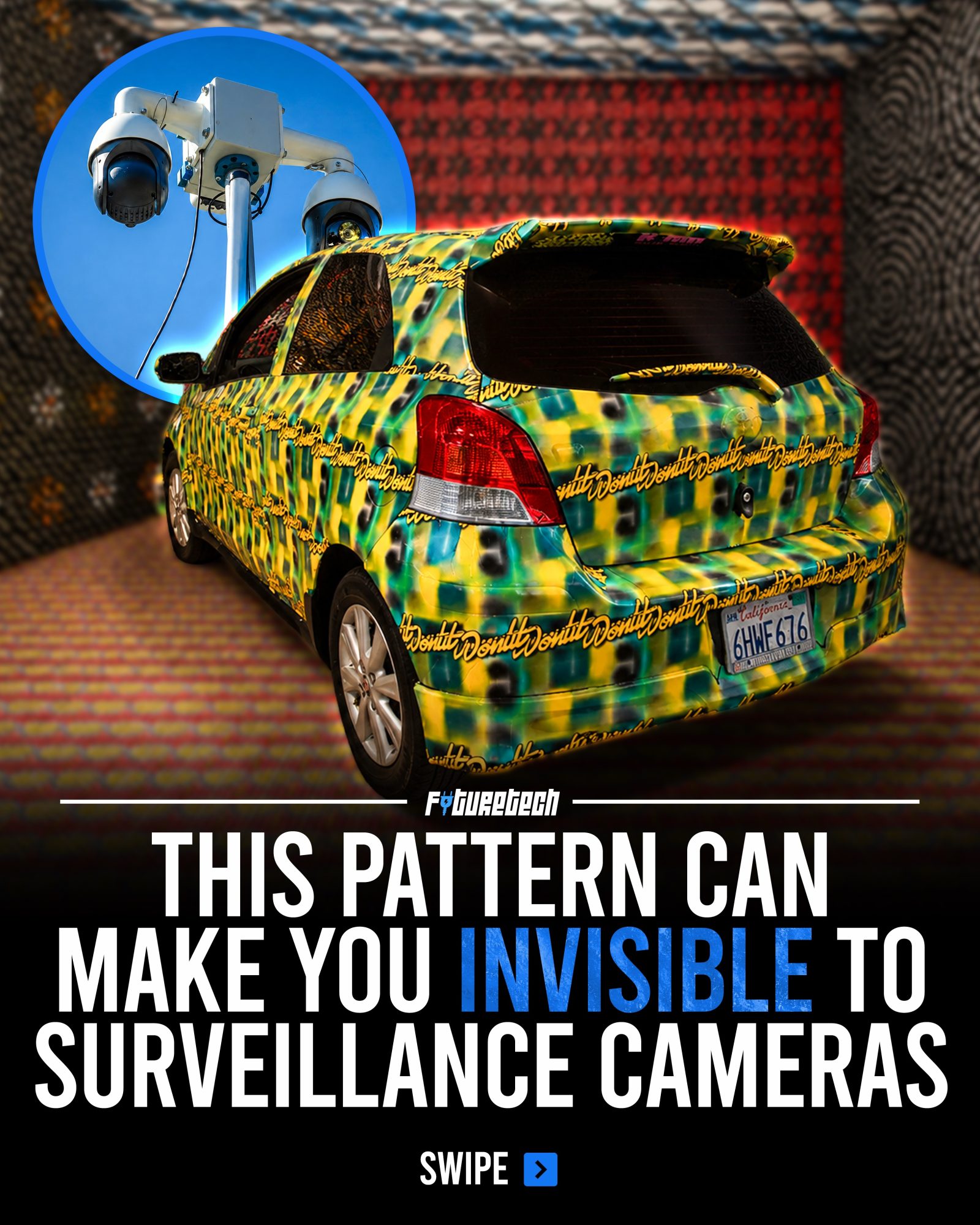
AI-Generated Camouflage for Cars: Evasive Patterns for Privacy
AI-generated patterns are revolutionizing the way we think about privacy in public spaces, particularly when it comes to evading surveillance systems. These patterns, designed to confuse automated detection systems, offer a new layer of privacy for vehicles by making them virtually invisible to surveillance cameras.
Context: The Growing Concern of Surveillance
In an era where surveillance systems are becoming more sophisticated, the need for privacy-preserving technologies has never been greater. Surveillance cameras are ubiquitous, monitoring public spaces and recording vast amounts of data. While these systems are often used for security purposes, they also raise significant privacy concerns. The ability to automatically detect and identify people, vehicles, or faces can infringe on personal freedom and create a sense of constant monitoring. This is where AI-generated camoflauge comes into play.
Understanding the Technology
The core of this technology lies in the intricate patterns generated by AI. These patterns are not merely random designs; they are the result of extensive training and testing. Bill Swaringen, the researcher behind the noRecognition project, developed a model that underwent around 31 million tests. The goal was to create patterns that interfere with object-detection algorithms, rather than simply blocking the cameras from recording. These patterns are designed to confuse the algorithms, preventing them from automatically detecting and identifying objects, such as people, vehicles, or faces.
The Science Behind the Patterns
The patterns are not static; they are dynamically generated using AI algorithms that can adapt to different surveillance systems. The key lies in the ability of these patterns to disrupt the algorithms used by cameras to detect and identify objects. By creating a visual noise that confuses the system, the patterns effectively prevent the camera from recognizing the vehicle or the people inside.
Real-World Application
One of the most compelling demonstrations of this technology was at the DEF CON conference in Las Vegas. A Toyota Yaris wrapped in one of these patterns reportedly avoided detection by a Flock camera. This real-world test showed that the concept works outside of a controlled laboratory environment, highlighting the practical applications of this technology.
Practical Tips for Using AI-Generated Camouflage
While the technology is promising, it's important to understand how to use it effectively. Here are some practical tips:
Choosing the Right Pattern
Not all patterns are created equal. The effectiveness of the pattern depends on the specific surveillance system it aims to evade. It's essential to select a pattern that has been tested against the type of cameras you are likely to encounter. FutureTech, the brand behind this technology, offers a variety of patterns designed for different scenarios.
Proper Application
Applying the pattern to your vehicle requires precision. The pattern must cover the entire surface of the vehicle to be effective. Any gaps or inconsistencies can compromise the camouflage, making the vehicle detectable. It's recommended to follow the instructions provided by the manufacturer to ensure proper application.
Maintenance and Upkeep
The pattern's effectiveness can be affected by wear and tear. Regular maintenance is necessary to keep the pattern in good condition. This may include periodic reapplication of the pattern and checking for any signs of damage or fading.
Important Takeaways
AI-generated camouflage for cars represents a significant leap in privacy technology. By confusing surveillance systems, these patterns offer a new way to protect personal privacy in public spaces. Here are the key takeaways:
- AI-generated patterns are designed to interfere with object-detection algorithms, making vehicles virtually invisible to surveillance cameras.
- The technology has been tested in real-world scenarios, such as at DEF CON, demonstrating its effectiveness outside the lab.
- Proper application and maintenance are crucial for the pattern's effectiveness.
- This technology highlights the growing battle between surveillance systems and privacy tools, offering a new layer of protection for those concerned about their privacy.
Future Prospects
The development of AI-generated camouflage for cars is just the beginning. As surveillance technologies continue to evolve, so too will the tools designed to counter them. Future advancements may include more sophisticated patterns, improved application methods, and even adaptive camouflage that can change in response to different surveillance systems.
In conclusion, AI-generated camouflage for cars offers a innovative solution to the growing concern of surveillance in public spaces. By confusing the algorithms used by surveillance systems, these patterns provide a new layer of privacy, allowing individuals to move through public spaces with greater freedom and security. As the technology continues to develop, it holds the promise of even greater advancements in the field of privacy protection.
Watch the Reel
Questions readers ask
How does AI-generated car camouflage work to evade surveillance cameras?
AI-generated car camouflage uses complex, dynamically changing patterns designed to confuse and mislead automated detection systems. These patterns disrupt the algorithms that surveillance cameras use to identify and track vehicles, effectively making the car blend in with its surroundings and reducing its visibility to these systems.
What are the key benefits of using AI-generated camouflage for car designs?
The primary benefit is enhanced privacy. By rendering vehicles virtually invisible to surveillance cameras, these designs help maintain vehicle anonymity in public spaces. Additionally, this camouflage can provide a sense of security, helping drivers feel more protected against unwanted tracking.
Can AI-generated car patterns be customized for different environments?
Yes, AI-generated car patterns can be tailored to specific environments. The AI can adapt the camouflage patterns based on the surrounding scenery, weather conditions, and other factors, ensuring optimal evasion of surveillance systems in various settings.
Are there any legal considerations when using AI car camouflage to evade surveillance?
While the technology is designed to enhance privacy, it's important to consider local laws and regulations. In some jurisdictions, using camouflage to evade surveillance might be restricted, especially if it interferes with law enforcement activities. Always ensure compliance with local laws and regulations.
How effective is AI car camouflage against different types of surveillance systems?
AI car camouflage is designed to be effective against a wide range of surveillance systems, including those using facial recognition, license plate detection, and object tracking. The intelligent patterns can disrupt the algorithms used by these systems, making it challenging for them to accurately identify and track the vehicle.
Can AI-generated car patterns be updated or changed over time?
Yes, one of the key advantages of AI-generated car patterns is their adaptability. These patterns can be updated or changed over time to stay ahead of advancing surveillance technologies, ensuring continued effectiveness in evading detection.
Related deep dives
Similar reads based on topic and creator.




Recent articles
Fresh deep dives from the latest Reels we unpacked.




Comments
Be the first to comment.