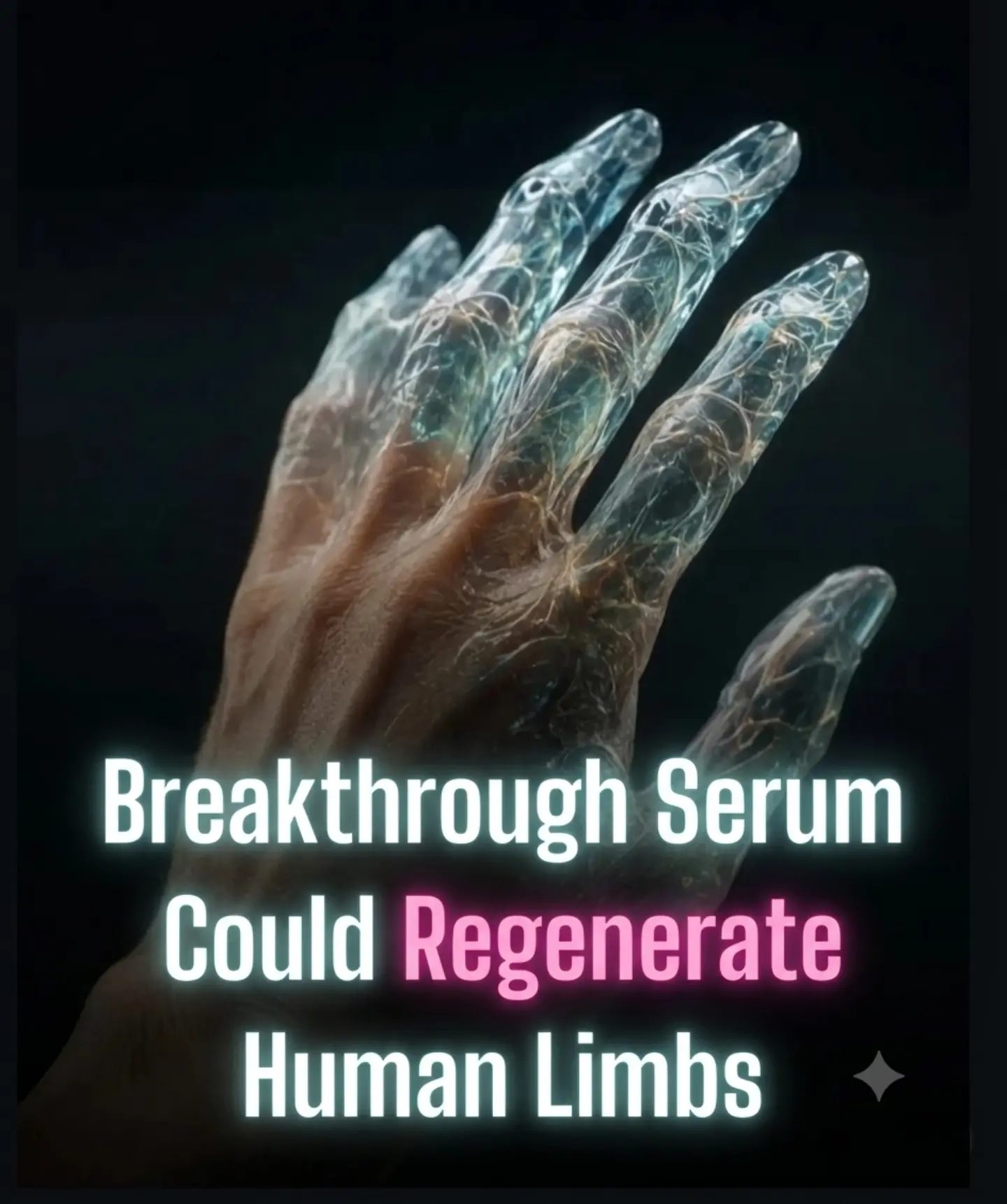
Regenerative Serum
The idea of regenerating human limbs and tissues has long been the stuff of science fiction, but recent advancements in regenerative medicine are bringing this concept closer to reality. One of the most promising developments in this field is the use of specialized serum that could potentially regenerate human body parts. This breakthrough serum aims to harness the body's natural ability to rebuild complex tissues, nerves, and bones.
Why this matters
The potential of regenerative medicine to transform healthcare is immense. Traditional medical treatments often focus on managing symptoms and repairing damage, but regenerative medicine takes a different approach. It seeks to restore functionality and even regrow lost tissues, offering hope to individuals who have suffered severe injuries or diseases that result in tissue loss.
Main Discussion
The Science Behind Regenerative Serum
Recent breakthroughs in regenerative medicine have shown that drug cocktails can trigger the body's natural regenerative abilities. These specialized serums are designed to reprogram cells, encouraging them to regrow complex tissues, nerves, and bones. While fully regrowing human body parts is still a future milestone, animal trials have demonstrated promising results.
How Regenerative Serum Works
The serum works by delivering a combination of growth factors, proteins, and other bioactive molecules directly to the site of injury or tissue loss. These components stimulate the body's natural regeneration processes, promoting the growth of new cells and tissues. The ultimate goal is to restore functionality and, in some cases, regrow entire limbs or organs.
Animal Trials and Human Potential
Animal trials have provided valuable insights into the potential of regenerative serums. In these trials, specialized drug cocktails have successfully triggered cellular reprogramming, leading to the regrowth of complex tissues and even limbs. While the results are promising, there is still a lot of work to be done before these treatments can be safely and effectively applied to humans.
Future Milestones
The ability to regenerate human limbs and tissues is still a future milestone, but recent advancements are bringing this concept closer to reality. As researchers continue to refine the formula and understand the underlying mechanisms, regenerative serums could become a transformative force in healthcare.
Ethical and Practical Considerations
While the potential of regenerative serums is undeniable, there are also ethical and practical considerations to keep in mind. Ensuring the safety and efficacy of these treatments is paramount, and extensive clinical trials will be necessary before they can be widely adopted. Additionally, the cost and accessibility of these treatments will need to be addressed to ensure that they are available to all who need them.
Practical Tips
Staying Informed
As regenerative medicine continues to evolve, it's important to stay informed about the latest developments. Following reputable sources and keeping an eye on scientific journals can help you stay up-to-date on the latest breakthroughs and potential treatments.
Seeking Professional Advice
If you or someone you know is affected by tissue loss or limb injury, it's important to seek professional advice from a healthcare provider. They can provide guidance on the latest treatments and help you navigate the complex world of regenerative medicine.
Supporting Research
Supporting research in regenerative medicine is another way to contribute to this exciting field. Donating to organizations that fund research or participating in clinical trials can help accelerate the development of new treatments and bring the dream of regenerative medicine closer to reality.
Important Takeaways
- Regenerative serums hold immense potential for rebuilding complex tissues, nerves, and bones.
- Recent breakthroughs in animal trials have shown promising results, but more work is needed before these treatments can be applied to humans.
- Ethical and practical considerations, such as safety, efficacy, and accessibility, are crucial in the development of regenerative serums.
- Staying informed, seeking professional advice, and supporting research are important steps in navigating the world of regenerative medicine.
Conclusion
The concept of regenerating human limbs and tissues is no longer just a futuristic dream. With the advent of specialized serums, the potential to rebuild complex tissues, nerves, and bones has never been closer to reality. While there are still many challenges to overcome, the progress made in regenerative medicine offers a glimpse into a future where losing a limb or tissue isn't permanent. As research continues to advance, the hope is that these breakthroughs will one day transform the lives of millions of people around the world.
Watch the Reel
Questions readers ask
What exactly is a regenerative serum and how does it work?
A regenerative serum is a specially formulated cocktail of substances that stimulates the body's natural healing processes. It works by promoting cell growth and differentiation, encouraging the regrowth of tissues, nerves, and even bones. These serums aim to harness the body's innate ability to rebuild complex structures, making them a promising tool in modern regenerative science.
Can regenerative serums really regrow human limbs?
While the idea of regrowing entire human limbs is still in the experimental stages, early research and animal studies show promising results. These serums have the potential to regenerate lost tissues and even limbs, but extensive research and clinical trials are needed before this becomes a widely available treatment for limb loss.
What makes regenerative medicine different from traditional medical treatments?
Traditional medical treatments often focus on managing symptoms and repairing damage, while regenerative medicine takes a proactive approach. It aims to restore functionality and even regrow lost tissues, offering a potentially transformative impact on healthcare. This shift in focus could provide new hope for individuals with severe injuries or degenerative conditions.
How close are we to seeing regenerative serum treatments for humans?
The field of regenerative medicine is advancing rapidly, with significant breakthroughs in tissue regeneration serum and limb regrowth research. However, the exact timeline for human trials and widespread availability is uncertain. Researchers are optimistic, but more studies and clinical tests are necessary to ensure safety and efficacy before regenerative serum treatments become commonplace.
What are the potential benefits of regenerative serum for individuals with limb loss?
For individuals with limb loss, regenerative serum could potentially offer a revolutionary treatment option. It has the potential to regrow lost tissues and even regenerate entire limbs, which could greatly improve quality of life and restore functionality. This could reduce the need for prosthetics and other assistive devices, providing a more natural and integrated solution.
Are there any ethical considerations surrounding the use of regenerative serums?
As with any emerging technology, there are ethical considerations to ponder. These include the potential for unequal access to treatment, ensuring informed consent, and addressing potential misuse. Additionally, the cost of these advanced treatments could be significant, raising concerns about affordability and accessibility for all patients.
What are the main challenges facing the development of regenerative serum technology?
The main challenges include ensuring the safety and efficacy of these serums through rigorous testing, understanding and mitigating potential side effects, and optimizing the formulations for different types of tissue and limb regrowth. Additionally, scaling up production and making these treatments accessible to a wide range of patients will be crucial for their successful integration into healthcare.
Recent articles
Fresh deep dives from the latest Reels we unpacked.




Comments
Be the first to comment.