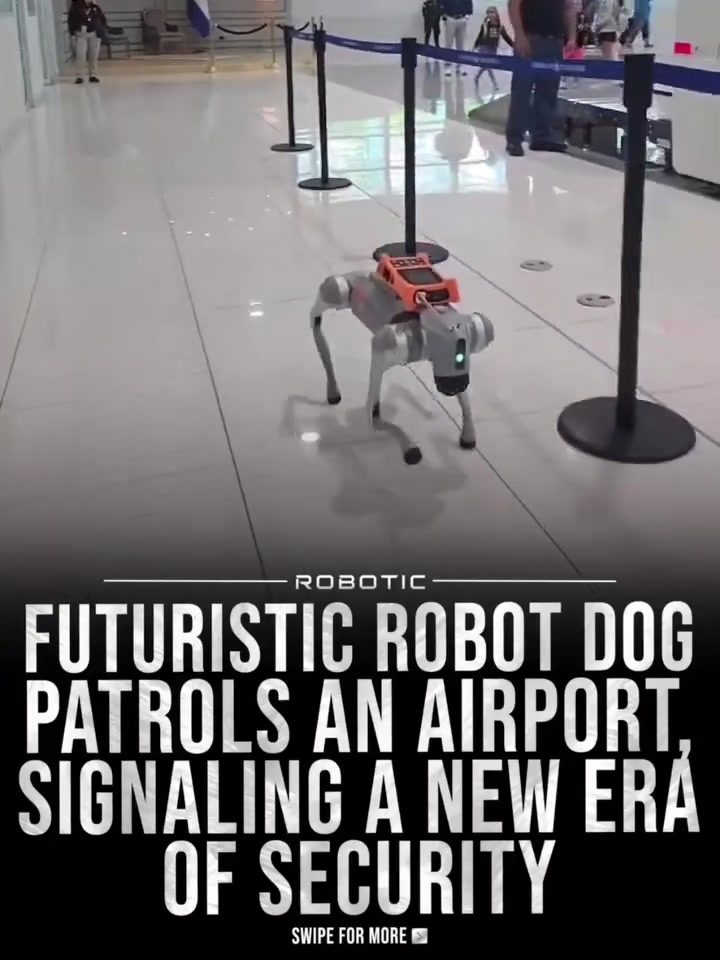
Robotic Dog Security Patrols
Robotic dogs are making strides in security, particularly in high-traffic and sensitive environments like airports. These autonomous machines are designed to enhance safety and efficiency, offering a glimpse into the future of security technology. The recent sighting of a robotic dog patrolling an airport terminal has sparked interest and curiosity, highlighting the growing role of robotics in public spaces.
Context / Why this matters
The integration of robotic dogs into security protocols represents a significant shift in how we approach safety and surveillance. As these machines become more common, they offer several advantages that traditional security methods may not match. Understanding the capabilities and implications of these robotic patrols is crucial for both security professionals and the general public.
Main discussion
The Role of Robotic Dogs in Security
Robotic dogs, such as those designed by Robotic, are equipped with advanced sensors and cameras that allow them to navigate complex environments autonomously. These machines can patrol large areas, monitor for suspicious activities, and even alert security personnel to potential threats. The autonomous nature of these robots means they can operate continuously, reducing the need for human patrols and ensuring constant surveillance.
Autonomous Navigation and Surveillance
One of the standout features of robotic dogs is their ability to navigate autonomously. Equipped with state-of-the-art sensors and mapping technology, these robots can move seamlessly through crowded areas, avoiding obstacles and maintaining a continuous patrol. This capability is particularly useful in environments like airports, where the layout can be complex and constantly changing.
Public Reception and Adaptation
The sight of a robotic dog patrolling an airport terminal has drawn both curiosity and skepticism from travelers and staff. Children and adults alike have been intrigued by the presence of these futuristic machines, while others question their effectiveness and reliability. As these robots become more prevalent, it will be essential for the public to understand their role and benefits in enhancing security.
Versatility in Different Environments
While airports are a prime example of where robotic dogs can be utilized, their applications extend far beyond that. Warehouses, factories, cities, and industrial sites are all potential beneficiaries of this technology. The versatility of these robots makes them suitable for a wide range of security needs, from monitoring large industrial complexes to ensuring the safety of urban areas.
Monitoring and Inspections
Robotic dogs can perform various tasks that require constant operation and monitoring. These machines are capable of conducting routine inspections, monitoring for unauthorized access, and detecting anomalies in real-time. This level of vigilance can significantly enhance security protocols, making it easier to identify and respond to potential threats quickly.
Addressing Concerns and Limitations
Despite their advanced capabilities, there are still concerns and limitations to consider. The exact capabilities of these robots have not been independently verified, and questions remain about their reliability and effectiveness in real-world scenarios. Additionally, there are ethical considerations to address, such as privacy concerns and the potential for over-reliance on technology.
The Future of Robotic Security
As technology advances, the role of robotic dogs in security is likely to evolve. Future iterations of these machines may include enhanced AI capabilities, better sensors, and improved navigation systems. This continuous improvement will make them even more effective in various security applications, from monitoring large industrial sites to ensuring the safety of public spaces.
Practical Tips
For organizations considering the implementation of robotic dogs in their security protocols, there are several practical steps to take:
-
Assess Needs: Evaluate the specific security needs of your environment. Determine where robotic dogs can be most effective and how they can complement existing security measures.
-
Training and Integration: Ensure that security personnel are trained to work with these robots. Understanding how to operate and maintain these machines is crucial for their effective use.
-
Public Communication: Inform the public about the presence and role of these robots. Clear communication can help alleviate concerns and build trust in the technology.
-
Continuous Monitoring: Regularly monitor the performance and effectiveness of the robots. Collecting data and feedback can help identify areas for improvement and ensure that the technology is meeting its intended goals.
Important Takeaways
- Robotic dogs are becoming increasingly common in security environments, offering advanced surveillance and monitoring capabilities.
- These machines can navigate autonomously, making them suitable for complex and high-traffic areas like airports.
- The public reception of robotic dogs varies, with both curiosity and skepticism present. Clear communication can help address concerns and build trust.
- Robotic dogs have a wide range of applications, from airports to industrial sites, and their use is likely to expand as technology advances.
- Organizations should assess their security needs, provide proper training, and continuously monitor the performance of these robots to ensure their effectiveness.
Conclusion
The use of robotic dogs in security patrols represents a new era in surveillance and monitoring. As these machines become more advanced and prevalent, they offer significant benefits in terms of efficiency and effectiveness. Understanding their capabilities, applications, and potential limitations is essential for organizations and the public alike. By embracing this technology, we can enhance security protocols and ensure safer environments for everyone.
Watch the Reel
Questions readers ask
How do robotic dogs enhance airport security?
Robotic dogs enhance airport security by providing constant surveillance and autonomous patrolling. They can access areas that may be difficult for human security personnel, detecting potential threats and ensuring a safe environment for passengers and staff.
What makes robotic dogs suitable for airport environments?
Robotic dogs are suitable for airports due to their ability to navigate various terrains, handle high-traffic areas, and operate autonomously. They can monitor crowded spaces, identify anomalies, and respond to security breaches efficiently, making them a valuable addition to airport security measures.
How do robotic dogs differ from traditional security methods?
Robotic dogs offer advantages such as 24/7 surveillance, the ability to access hard-to-reach areas, and consistent performance without fatigue. Unlike human guards, they don't require breaks and can cover larger areas more efficiently, providing an additional layer of security.
What kind of threats can robotic dogs detect at airports?
Robotic dogs can detect a range of threats, including unauthorized individuals, suspicious packages, and unusual behavior. They are equipped with sensors and cameras that can identify potential dangers, alerting security personnel for further action.
Are there any privacy concerns with robotic dogs patrolling airports?
While robotic dogs provide enhanced security, privacy concerns may arise due to their surveillance capabilities. However, many airports implement strict guidelines to ensure that data collected by these robots is used solely for security purposes and is stored securely.
Can robotic dogs replace human security personnel entirely?
Robotic dogs are designed to augment, not replace, human security personnel. They can handle routine patrols and monitoring tasks, allowing human guards to focus on more complex duties that require human judgment and interaction.
What advancements can we expect in airport security robotics in the future?
Future advancements in airport security robotics may include improved AI capabilities for better threat detection, enhanced mobility for navigating complex environments, and increased integration with other security systems for more comprehensive monitoring and response.
Related deep dives
Similar reads based on topic and creator.




Recent articles
Fresh deep dives from the latest Reels we unpacked.




Comments
Be the first to comment.