Aging: The Underlying Driver of Disease
Aging is more than just the passage of time. It’s a complex biological process that underlies many age-related diseases, from Alzheimer’s to heart disease and even skin aging. Dr. David Sinclair argues that addressing the biology of aging itself, rather than focusing on individual diseases, could significantly extend lifespan.
Why This Matters
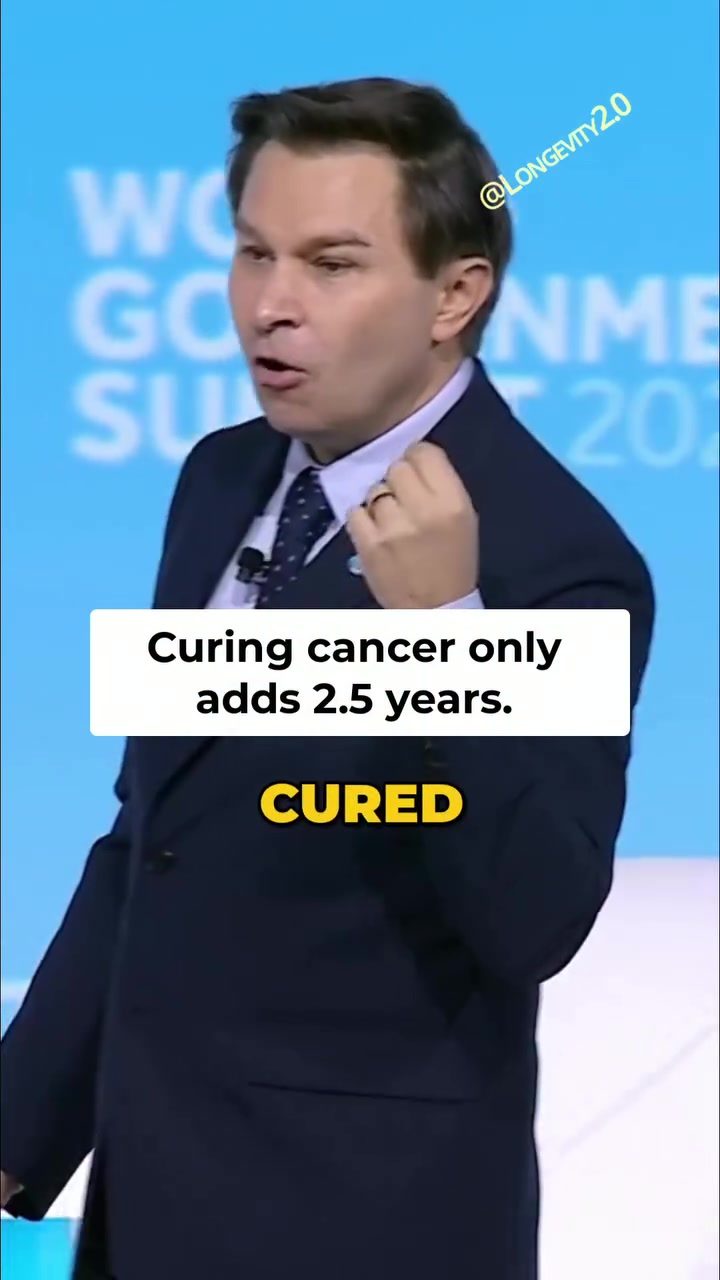
The quest for longevity has traditionally focused on curing specific diseases, particularly cancer. However, recent research suggests that even eliminating all cancer today would only add about two and a half years to the average lifespan. This stark reality underscores the need to address the root cause of age-related diseases: the aging process itself.
The Common Thread of Aging
Aging and Disease
Aging affects different parts of the body in various ways. In the brain, it manifests as Alzheimer’s disease. In the heart, it shows up as heart disease. On the skin, it appears as wrinkles. This is because the underlying processes of aging are the same across all tissues, albeit with different symptoms.
The Biological Process
The aging process involves a cascade of biological changes that affect cells and tissues. These changes can be slowed down, as researchers are beginning to understand the mechanisms involved. For example, cellular senescence, where cells stop dividing and accumulate in tissues, contributes to various age-related pathologies. Targeting these underlying processes could potentially delay or even reverse multiple age-related diseases.
Current Research and Clinical Trials
Therapies Designed for Aging
Researchers are now developing therapies aimed at modifying the aging process. These therapies target the molecular pathways that drive aging, such as inflammation, oxidative stress, and epigenetic changes. By intervening in these pathways, scientists hope to slow down the aging process and delay the onset of age-related diseases.
Human Clinical Trials
Groundbreaking work is underway to test these therapies in humans. Clinical trials are planned to determine if these interventions can reverse the aging process and cure diseases. These trials represent a significant step forward in our understanding of how to combat the aging process, beyond just treating individual diseases.
Key Takeaways
The Need for Comprehensive Approaches
Addressing age-related diseases requires a comprehensive approach that targets the underlying biology of aging. By doing so, researchers aim to delay or even reverse the onset of multiple diseases simultaneously. Focusing on individual diseases, such as cancer, is insufficient as aging continues to drive the development of other ailments.
The Promising Future
Human clinical trials are on the horizon, promising to provide new insights into how we can safely and effectively slow down or even reverse the aging process. These trials are a testament to the innovative research being conducted in the field of longevity.
Conclusion
The future of longevity research lies in understanding and targeting the biology of aging. By doing so, we can develop therapies that not only extend lifespan but also improve the quality of life by delaying or preventing age-related diseases. While exciting, this field is still in its early stages, and much more research is needed to fully harness its potential.
Watch the Reel
Questions readers ask
What are some of the key biological processes that contribute to aging?
Key biological processes that contribute to aging include cellular senescence, where cells stop dividing and accumulate in tissues, and inflammation, which can become chronic and damaging over time. Other processes involve DNA damage, epigenetics, and mitochondrial dysfunction, all of which can accelerate the aging process and increase the risk of age-related diseases.
How does targeting aging differ from traditional disease treatment approaches?
Traditional approaches focus on treating individual diseases as they arise, such as cancer or heart disease. In contrast, targeting aging involves addressing the underlying biological mechanisms that drive the aging process itself, which has the potential to delay or prevent the onset of multiple age-related diseases simultaneously and extend overall lifespan.
What is the connection between cancer and aging research?
Research has shown that even if all forms of cancer were cured today, the average lifespan would only increase by a few years. This highlights the importance of shifting focus to the fundamental aging processes that contribute to cancer and other age-related diseases.
Can anti-aging treatments help prevent heart disease?
Yes, by targeting the biological processes of aging, such as inflammation and cellular senescence, anti-aging treatments have the potential to prevent or delay the onset of heart disease, as well as other age-related conditions. Many heart diseases are exacerbated by chronic inflammation, which is a key driver of aging.
What is the role of inflammation in the aging process?
Inflammation plays a significant role in the aging process. As we age, chronic, low-level inflammation, known as inflammaging, increases and can contribute to the development of various age-related diseases, including heart disease and neurodegenerative disorders. Managing inflammation is a key target in longevity research.
How might longevity therapies impact the treatment of Alzheimer’s disease?
Longevity therapies aim to address the underlying biological processes that contribute to Alzheimer's disease, such as inflammation and cellular senescence. By targeting these processes, there is potential to delay or prevent the onset of Alzheimer’s, improving overall brain health and cognitive function in older adults.
What are some promising avenues in longevity research?
Promising avenues in longevity research include senolytic therapies, which target and eliminate senescent cells, and treatments that modulate inflammation and metabolism. Additionally, research into the role of epigenetics and mitochondria in aging is providing new insights and potential targets for lifespan extension and disease prevention.
Recent articles
Fresh deep dives from the latest Reels we unpacked.




Comments
Be the first to comment.